
Litter Box Problems? How to Litter Train a Kitten the Easy Way
Bringing a new kitten into your home is a whirlwind of joy, cuddles, and playful chaos. But amidst all the fun, one crucial task can worry any new owner: litter box training. As a cat parent who has guided many tiny kittens through this first significant milestone, I know the anxiety that comes with it. You might be wondering, “Will they learn?” or “What if they have accidents?” Don’t worry. The great news is that cats are spotless animals with an instinct to bury their waste. Your job isn’t to teach them something unnatural; it’s simply to guide that instinct to the right place. This guide will show you how to litter train a kitten in five simple, stress-free steps.
Before You Begin: Setting the Stage for Success
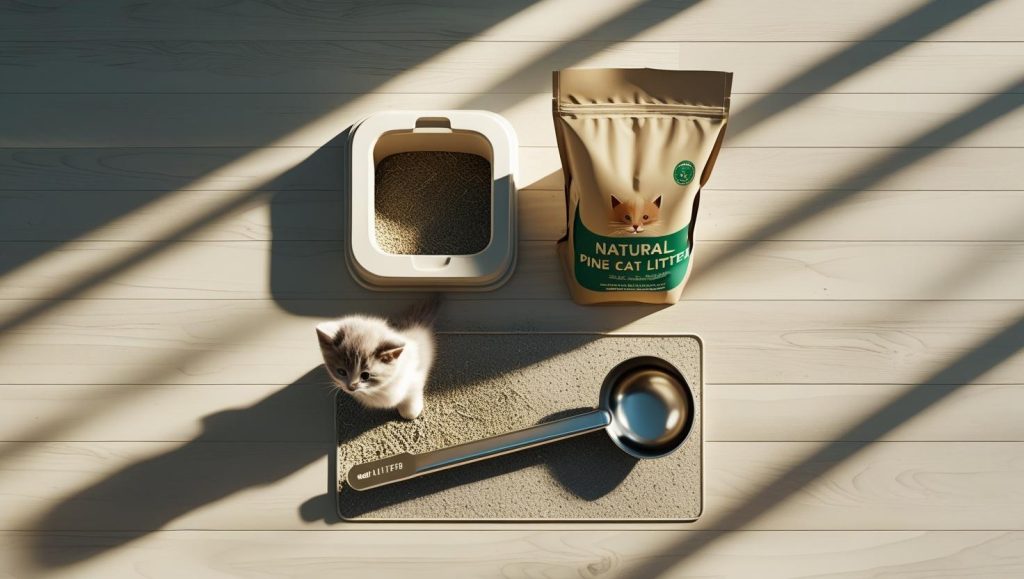
Before the training even starts, you need to have the right tools. The right setup can make the difference between quick success and weeks of frustration.
- Choose the Right Litter Box: For a tiny kitten, a giant litter box with high walls can feel like an impossible fortress. Start with a small, shallow box with at least one low side for easy entry. I recommend a simple, basic kitten litter box like this one to start.
- Choose the Right Litter: Kittens explore the world with their mouths, so it’s best to avoid clumping clay litters at first, as they can be harmful if ingested. A natural, unscented, non-clumping litter made from materials like pine, corn, or paper is the safest choice.
- Location is Key: Place the litter box in your kitten’s “safe room” initially. It should be in a quiet, low-traffic corner, away from their food and water bowls. Cats, like humans, prefer privacy.
The 5 Simple Steps to Litter Training Success
Step 1: The Introduction
As soon as you bring your kitten home, the very first place you should take them is their litter box. Place them gently inside. Let them sniff around and explore it on their own terms. They may not use it right away, and that’s perfectly fine. This first step is just about making a positive first impression and showing them where it is.
Step 2: The “After-Meal, After-Nap” Routine
This is the golden rule of litter training. Kittens will most likely need to eliminate right after they wake up from a nap and shortly after they eat a meal.
- My Experience: This is the exact method I used for my cat, Milo. Every time he woke up or finished eating, I would gently pick him up and place him in the litter box. For the first few times, he would just hop out. But on the second day, after his morning meal, I placed him in the box, and he started sniffing and digging. It was a huge success! This simple, consistent routine is the fastest way to build a good habit.
Step 3: The “Dig and Paw” Method
If your kitten seems unsure of what to do in the box, you can help them understand. Take their front paw very gently and make a light digging motion in the clean litter. This mimics their mother’s behavior and can trigger their natural instinct to dig and then eliminate. Never be forceful; it should be a soft, guiding motion.
Step 4: Praise, Don’t Punish!
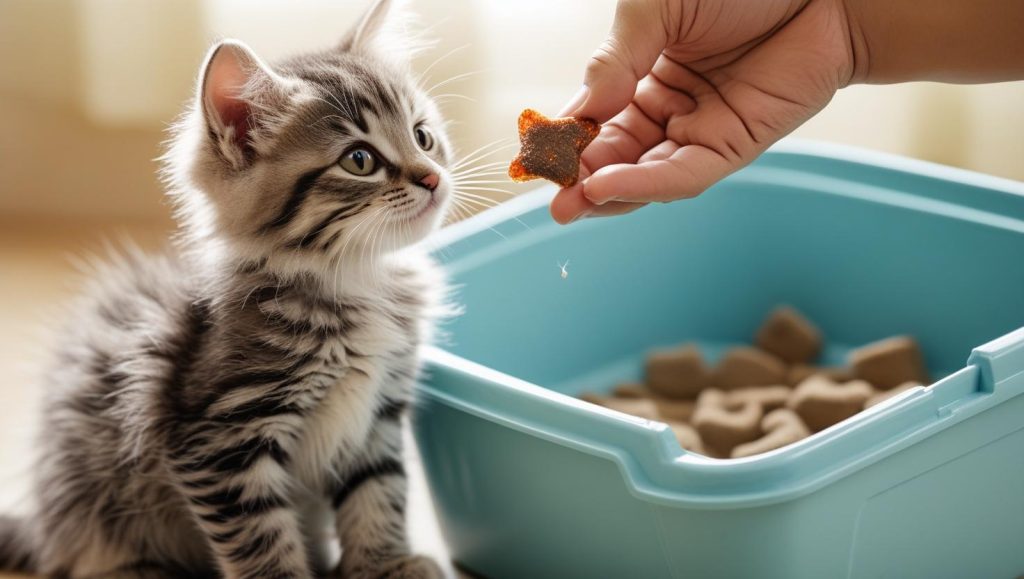
This is the most important part of the process.
- When they use the box successfully: As soon as they are finished, shower them with praise in a happy, gentle voice. You can give them a pet or even a small, healthy kitten treat to create a strong positive association.
- If they have an accident: NEVER scold, yell at, or punish your kitten. This will only create fear and anxiety around you and the litter box, making the problem worse. Simply clean the accident thoroughly with an enzyme cleaner to completely eliminate the odor (otherwise, they will keep going back to the same spot). Then, calmly place them back in the litter box to reinforce where they should have gone.
- Best Enzyme Cleaner for Cat Urine
Step 5: Keeping It Clean
Cats are exceptionally clean creatures. A dirty, smelly litter box is the #1 reason why even a perfectly trained cat will start having accidents.
- Scoop daily: Remove solid waste at least once or twice a day.
- Change completely: Change out all the litter and wash the box with mild soap and water about once a week.
Common Litter Training Problems & Solutions
- Problem: My kitten is sleeping in the litter box!
- Solution: This usually means they don’t have another cozy, safe place to sleep. Make sure they have a comfortable bed in a different part of the room.
- Problem: They used the box perfectly, but now they are having accidents.
- Solution: The box is likely not clean enough for their standards. Try scooping more often. It could also be a sign of a medical issue, so a vet visit is a good idea if the problem persists.
Frequently Asked Questions About Litter Training
Litter training can bring up a lot of questions for new owners. Here are the answers to some of the most common ones.
- What is the best type of litter for a kitten?
The safest choice for a very young kitten (under 3-4 months) is a natural, non-clumping litter. Kittens are curious and often taste-test their litter. Clumping clay litters can expand in their stomach if ingested, causing a dangerous blockage. Litters made from pine, corn, wheat, or recycled paper are excellent, safer alternatives to start with. - How many litter boxes do I need for my kitten?
The golden rule for cats is one litter box per cat, plus one extra. So, if you have one kitten, you should ideally have two litter boxes in different locations around your home (once they are allowed to explore beyond their safe room). This ensures they always have a clean and accessible option nearby. - My kitten keeps having accidents right outside the litter box. What am I doing wrong?
This is a very common issue! There could be several reasons:
- The box is dirty: Scoop it more frequently.
- They don’t like the litter: The texture or scent might be unpleasant for them. Try a different type.
- The box is too big or too small: Ensure it’s easy for them to get in and out of.
- Medical Issues: If the problem continues, it could be a sign of a urinary tract infection (UTI) or another medical issue. A visit to the vet is highly recommended to rule this out.
- Should I use a litter box with a lid or cover?
While some owners prefer covered boxes to contain smells and litter tracking, many cats dislike them. A cover can make a cat feel trapped and can concentrate ammonia smells inside, making the box unpleasant for them. It’s best to start with an uncovered box. If you want to try a covered one later, make sure it’s large and well-ventilated.
Final Thoughts: Patience is Your Best Tool
Remember, how to litter train a kitten is a process that requires patience and consistency. Every kitten learns at a different pace. By creating a positive, stress-free environment and following these simple steps, you are not just training your kitten—you are building a foundation of trust and communication. Stay calm, be encouraging, and soon, your little one will be a litter box pro