
How to Get Rid of Fleas on Cats. “Few things are as stressful for a cat owner as watching your furry friend suffer from a flea infestation. I still remember the time Leo, our beloved tabby, came back from a short outdoor adventure with a few ‘unwanted guests.’ Within days, he was constantly scratching, his skin looked irritated, and I felt completely overwhelmed. I tried everything—from messy DIY remedies to expensive vet treatments that seemed to take forever to work. After weeks of trial and error, I finally discovered a step-by-step system that actually works—and fast! If you’re currently in the middle of a flea battle, don’t worry. I’ve been there, and in this guide, I’m going to share exactly how to get rid of fleas on your cat safely and quickly so you and your feline friend can finally get some sleep.”
Understanding Fleas On Cats
Fleas are small, wingless insects that feed on the blood of mammals and birds. For cats, the most common type is the cat flea (Ctenocephalides felis). One adult flea can lay up to 50 eggs per day, which means a few fleas can quickly turn into thousands. They don’t just stay on your cat—eggs and larvae fall into your carpets, bedding, and furniture, creating a bigger problem.
How Cats Get Fleas
Even indoor cats can get fleas. Fleas can enter your home on shoes, other pets, or even on your clothing. Outdoor cats are at higher risk because they can pick up fleas from other animals or infested environments like gardens or parks.
Why Fleas Are Dangerous
Fleas are not just an itchy nuisance. They can cause:
- Flea allergy dermatitis: Some cats are allergic to flea saliva, leading to severe skin irritation.
- Anemia: Heavy infestations can cause blood loss, especially dangerous for kittens.
- Disease transmission: Fleas can spread tapeworms and other diseases.
Understanding the flea life cycle is the first step to getting rid of them for good.
The Flea Life Cycle: Why It Matters
Fleas go through four stages: egg, larva, pupa, and adult. Only adult fleas live on your cat. Eggs, larvae, and pupae are hidden in your home. Killing fleas on your cat is not enough—you must break the life cycle.
| Stage | Where Found | Duration | Key Facts |
|---|---|---|---|
| Egg | Cat, bedding, carpet | 2-14 days | Fall off the cat onto surroundings |
| Larva | Carpet, furniture | 5-20 days | Avoid light, eat organic matter |
| Pupa | Deep carpet, cracks | 5 days to months | Hard to kill, can wait for host |
| Adult | On cat | Several weeks | Females lay eggs within 24 hours |
This cycle explains why fleas can return even after you treat your pet. Eggs and pupae hide in the environment, waiting to hatch later.
Credit: www.petmd.com
Signs Your Cat Has Fleas
Sometimes, fleas are easy to spot. Other times, you may only notice indirect signs. Look for:
- Frequent scratching or biting at the skin
- Hair loss, especially at the base of the tail or neck
- Red, irritated skin or scabs
- Tiny black specks (flea dirt) in the fur or bedding
- Small, fast-moving insects on the skin
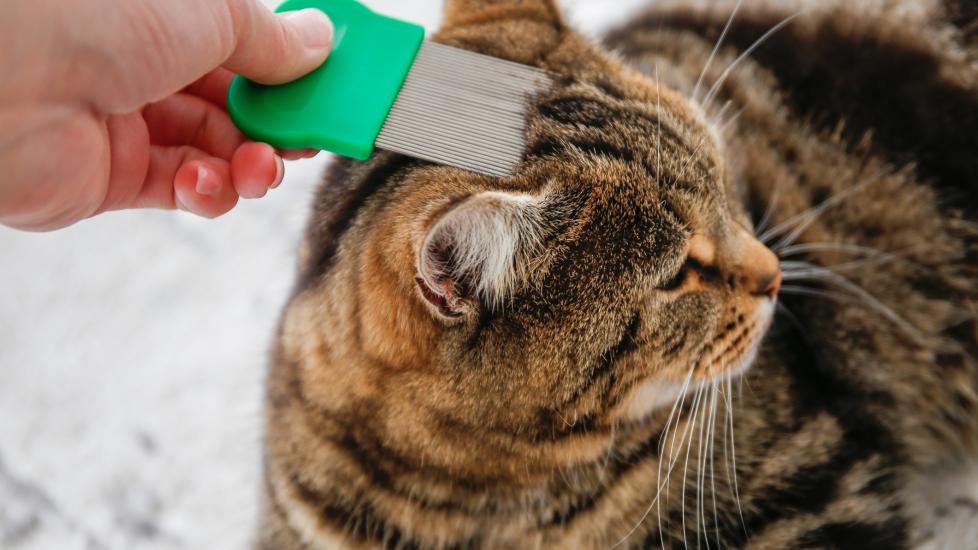
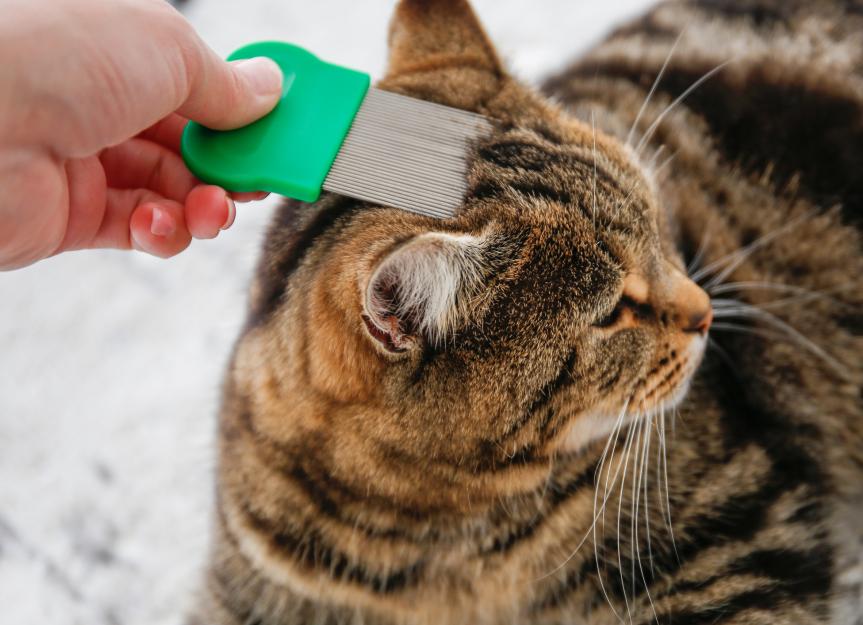
A fine-tooth flea comb helps to check. Comb your cat over a white towel; black specks that turn reddish when wet are flea dirt (flea feces).
Step-by-step: How To Get Rid Of Fleas On Cats
Getting rid of fleas means treating your cat, your home, and sometimes your yard. Missing any step can lead to a new infestation. Here’s a complete action plan.
Step 1: Treat Your Cat
1. Use A Flea Comb
A flea comb is a safe way to remove adult fleas and dirt. Comb your cat’s fur, focusing on the neck and tail base. Dip the comb in soapy water to kill caught fleas.
2. Bathe Your Cat (when Appropriate)
Most cats dislike water, but a gentle bath with cat-safe flea shampoo can help in severe cases. Do not use dog shampoos—they can be toxic to cats. Always read the label.
3. Apply Veterinary Flea Treatments
There are several options:
- Topical treatments: Applied to the skin, usually between the shoulders. Examples: fipronil (Frontline), imidacloprid (Advantage), selamectin (Revolution).
- Oral medications: Pills or chewables that kill fleas when they bite. Examples: nitenpyram (Capstar), spinosad (Comfortis).
- Flea collars: Modern collars (like Seresto) last several months and kill fleas on contact.
Consult your vet to choose the right product for your cat’s age, weight, and health. Never use products meant for dogs on cats—some ingredients are deadly for felines.
4. Treat All Pets At The Same Time
If you have more than one pet, treat all at once—even those not showing symptoms. Fleas jump between animals.
5. Continue Treatment Regularly
Most treatments last 1–3 months. Mark your calendar and repeat as directed. Stopping too soon is the most common reason for fleas coming back.
Step 2: Clean Your Home Thoroughly
Killing fleas on your cat is just half the solution. Most flea eggs, larvae, and pupae are in your home.
1. Vacuum Everything
Vacuum carpets, rugs, furniture, under beds, and baseboards. Vacuuming removes fleas in all stages. After each session, seal the vacuum bag and dispose of it outside.
2. Wash Bedding And Fabrics
Wash all pet bedding, blankets, and your own bedding in hot water. Don’t forget washable sofa covers, curtains, and cat toys.
3. Use Flea Sprays And Environmental Treatments
- Flea sprays: Choose products safe for homes with pets and children. Look for sprays with insect growth regulators (IGRs) like methoprene or pyriproxyfen—they stop eggs and larvae from developing.
- Flea foggers/“bombs”: Only use these if the infestation is severe and follow all safety instructions.
4. Treat Hidden Areas
Fleas love cracks, floorboards, and under furniture. Don’t skip these spots when vacuuming or spraying.
5. Repeat Regularly
Continue cleaning every few days for at least two weeks. This covers the time it takes for all flea stages to emerge.
Step 3: Address Your Yard (if Needed)
If your cat spends time outdoors, or you live in a warm climate, fleas may be in your yard.
- Mow the lawn regularly—fleas like shady, moist areas.
- Remove debris: Keep leaves, grass clippings, and brush piles away.
- Outdoor flea sprays: Use only pet-safe products and follow label instructions.
A tidy yard discourages fleas and other pests.
Comparing Flea Treatments For Cats
There are many flea products. Each has pros and cons. Here’s a comparison of common options to help you choose:
| Type | How It Works | Duration | Pros | Cons |
|---|---|---|---|---|
| Topical Spot-ons | Applied to skin | 1 month | Easy, effective | Some cats dislike, risk of licking |
| Oral Tablets | Given by mouth | 24 hours to 1 month | Fast, no residue | Some cats refuse pills |
| Flea Collars | Worn on neck | Up to 8 months | Long-lasting | May cause skin irritation |
| Flea Shampoo | Bathes cat | Immediate | Kills on contact | Short-term, stressful for cats |
| Sprays & Powders | Sprayed/applied to fur | Varies | Useful for kittens | Can be messy, less lasting |
Natural And Home Remedies: What Works, What Doesn’t
Many people search for “natural” flea remedies. Some can help, but most are not enough alone. Here’s what you should know:
Safe, Helpful Methods
- Frequent combing: Using a flea comb daily removes some fleas.
- Washing bedding: Heat kills all flea stages.
- Vacuuming: No chemicals needed, but must be done often.
🐾 Leo’s Top Pick for Fast Relief
After trying multiple treatments, we found that Carmelie Tasty Flea Chews is one of the most effective and stress-free ways to handle fleas. It’s natural, easy to feed, and starts working quickly.
- ✅ Fast Acting: Targets fleas and ticks immediately.
- ✅ All-Natural: Safe for cats of all ages.
- ✅ Tasty Chews: No more struggling with messy drops!
*Disclosure: As a proud partner of Carmelie, we may earn a commission from qualifying purchases, which helps keep Leo and Luna happy!
Common Myths And Risks
- Essential oils: Many, like tea tree and eucalyptus, are toxic to cats.
- Vinegar or lemon sprays: Little real effect on fleas, can irritate skin.
- Diatomaceous earth: Can help in carpets, but use only “food grade” and avoid breathing dust.
When To Use Home Remedies
Use natural methods as extra steps, not your only plan. Relying only on home remedies usually leads to failure and a bigger problem later.
Mistakes To Avoid When Treating Fleas
- Using dog products on cats: Some ingredients (like permethrin) are deadly for cats.
- Stopping treatment too soon: Flea eggs and pupae can hatch weeks later.
- Not treating the home: Most fleas live in carpets and furniture, not on your cat.
- Not treating all pets: Fleas easily move between animals.
- Overdosing treatments: Never double-dose if you miss a treatment—call your vet for advice.
- Ignoring outdoor sources: If your cat goes outside, treat the yard too.
A common insight: Many owners think “I treated my cat, so the fleas are gone.” But unless you also treat your home and keep up with repeat treatments, fleas will usually return.
When To See A Veterinarian
If your cat is:
- Very young, old, or ill
- Has open sores or skin infections
- Shows signs of anemia (pale gums, weakness)
- Not improving after treatment
Always call your vet. Severe infestations can be life-threatening, especially for kittens or cats with health issues. Your vet can recommend safe, effective treatments and check for flea-related diseases.
Preventing Fleas: Keeping Your Cat And Home Flea-free
Prevention is always easier than cure. Here’s how to keep fleas away after you’ve gotten rid of them.
Regular Flea Control
- Continue monthly treatments year-round, not just in summer.
- Check your cat with a flea comb weekly.
Keep Your Home Clean
- Vacuum weekly (more often if you’ve had fleas before).
- Wash pet bedding regularly.
- Keep clutter to a minimum—fewer places for fleas to hide.
Watch For Early Signs
If you spot even one flea, act fast. The sooner you start, the easier it is to control.
Protect New Pets
Quarantine and treat any new pets before they meet your cat. Fleas can hitch a ride from shelters, breeders, or other homes.
Outdoor Prevention
If your cat goes outside:
- Keep grass short
- Discourage wildlife (they can bring fleas)
- Check your cat for fleas before letting them back indoors
What Most Cat Owners Don’t Realize
Two important insights often missed:
- Pupae Can Survive for Months: Flea pupae can stay hidden and dormant for up to six months, waiting for the right conditions to hatch. That’s why you may see fleas weeks after treatment.
- Flea Dirt = Active Infestation: Seeing “flea dirt” means adult fleas are feeding and laying eggs right now. This is a clear sign you need to treat both the cat and the environment immediately.
Credit: www.petmd.com
Monitoring Success: How To Know Fleas Are Gone
It’s normal to see a few fleas for up to two weeks after starting treatment, as new adults emerge. Signs that your flea problem is ending:
- Your cat scratches less
- No new bites or red spots on family members
- No flea dirt in bedding or on your cat
- Fewer fleas found in traps or on combs
If you keep seeing fleas after three weeks, review your process. Did you treat all pets and the house thoroughly? If so, contact your vet for advice.
Advanced Flea Control: Integrated Pest Management
For ongoing or severe infestations, consider integrated pest management (IPM). This means combining:
- Regular pet treatments
- Home cleaning
- Environmental sprays or professional pest control
Working with a professional can help in stubborn cases, especially in multi-pet homes or apartments.
Comparing Cat Flea Problems To Other Pests
You might wonder how fleas compare to other pet pests like ticks or mites.
| Pest | Main Host | Risk to Humans | Common Symptoms | Control Difficulty |
|---|---|---|---|---|
| Fleas | Cats, dogs, wildlife | High (bites, disease) | Scratching, red bumps | High |
| Ticks | Cats, dogs, wildlife | Very high (Lyme disease, etc.) | Visible ticks, redness | Medium |
| Mites | Cats, dogs | Low | Itching, ear debris | Medium |
Fleas are harder to control because of their fast life cycle and ability to hide in the environment.
Resources For Further Help
If you want more scientific details or need to identify a product, the American Veterinary Medical Association (AVMA) is an excellent resource: AVMA: External Parasites in Cats.

Credit: www.kwikpets.com
Frequently Asked Questions
How Long Does It Take To Get Rid Of Fleas On A Cat?
It usually takes 2 to 4 weeks to fully get rid of fleas, depending on the severity of the infestation and how thoroughly you treat both your pet and your home. New fleas can appear for a few weeks as eggs hatch. Consistent, repeated treatments are essential.
Can Fleas Live On Humans?
Fleas prefer cats and dogs, but they will bite humans if there are no pets around. They don’t live on people, but can cause itchy bites, especially on ankles and legs. If you have fleas in your home, you may get bitten until the problem is solved.
What Happens If You Don’t Treat Cat Fleas?
Untreated fleas can cause serious health problems for your cat, including skin infections, anemia, and the spread of other parasites like tapeworms. Fleas will also infest your home, making them harder to eliminate over time.
Are Flea Collars Safe For All Cats?
Modern flea collars (like Seresto) are considered safe for most cats, but some may develop skin irritation. Always follow the product instructions and check for allergic reactions. For kittens or cats with sensitive skin, ask your vet before using a collar.
What Should I Do If My Cat Still Has Fleas After Treatment?
First, check if you treated all pets and cleaned your home thoroughly. If you followed all steps and fleas are still present after 3–4 weeks, consult your veterinarian. There may be a resistant infestation or another underlying issue.
Fleas are stubborn, but with the right plan, you can protect your cat and your home for the long term. Stay consistent, follow your vet’s advice, and don’t skip any steps. Your cat—and your family—will thank you.
You might also like…
-
- Cat Spraying Vs Peeing: Key Differences Every Owner Must Know
- Clavamox for Cats: Effective Treatment Tips & Dosage Guide 2026
- Free Cat Nutrition Calculator: Vet-Approved Personal Meal Plan (2026)
- 150+ Best Names for Orange Cats (Male, Female & Cute Ideas)
- Benadryl for Cats: Is It Safe? Vet Guide to Dosage & Risks (2026)
- Why Does My Cat Have Watery Eyes? Causes and Solutions 2026
- Best L-Lysine Supplement for Cats (Top 10 Vet-Recommended Options)