
Vet Visits for Cats: The Ultimate Guide to How Often They Need a Check-up
As a devoted cat parent, your cat’s health is your top priority. Unlike a dog that will openly cry or limp, a cat’s instinct is to conceal its suffering, making them silent masters of disguise when it comes to pain.. This can leave many of us wondering: how often should you take a cat to the vet? Is an annual visit enough? What about kittens or senior cats? For over a decade, I’ve navigated these questions with my own feline family and helped thousands of other owners do the same.
The answer isn’t always simple, as it depends heavily on your cat’s age and lifestyle. This guide will provide a clear, easy-to-follow, age-by-age schedule for vet visits, so you can feel confident you’re providing the best possible preventive care for your beloved companion.
Why Regular Vet Check-ups Are Non-Negotiable
Before we get into the schedule, let’s understand why these visits are so crucial, even for cats that seem perfectly healthy. Preventive care is always better (and cheaper!) than emergency treatment. Regular check-ups help your vet:
-
Catch problems early: Vets can spot subtle signs of common feline diseases like kidney disease, dental disease, or hyperthyroidism long before you see any symptoms at home.
-
Keep vaccines up-to-date: Protecting your cat from deadly diseases like rabies is essential.
-
Monitor weight and nutrition: Your vet can provide guidance to prevent obesity, a major health issue for cats.
-
Provide dental care: Over 85% of cats over the age of three have some form of dental disease. Regular checks are vital.
The Vet Visit Schedule: An Age-by-Age Breakdown
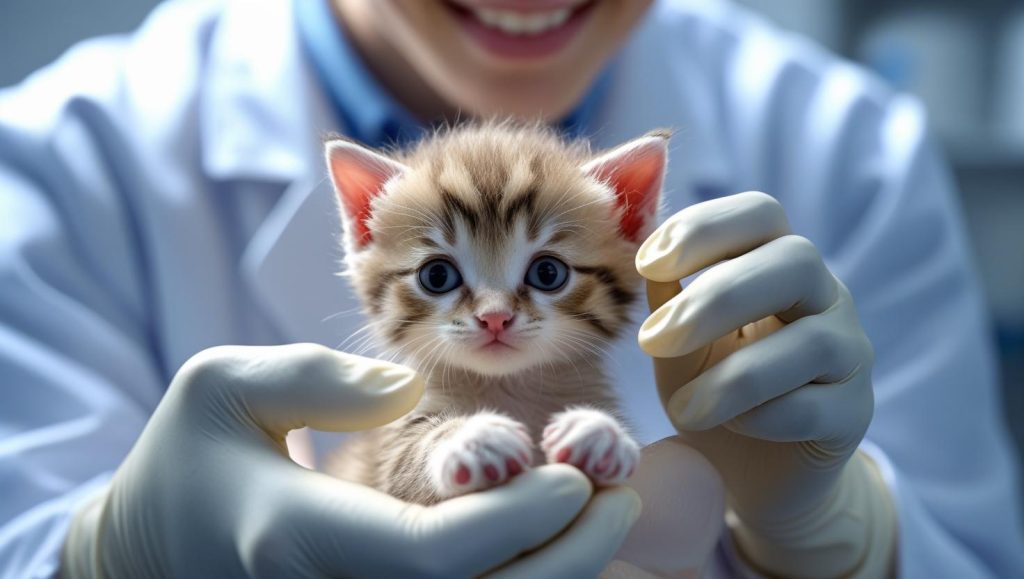
1. Kittens (Birth to 1 Year)
This is the busiest time for vet visits! Your kitten is growing rapidly and needs a strong foundation for a healthy life.
-
Frequency: Every 3-4 weeks, starting at around 6-8 weeks of age, until they are about 4-5 months old.
-
What happens at these visits?
-
Full physical exam: To check their overall development.
-
Vaccinations: They will receive a series of core vaccines (like FVRCP and Rabies) to build their immunity.
-
Parasite Prevention: Deworming and discussions about flea and tick prevention.
-
Spay/Neuter Surgery: This is typically scheduled when they are around 5-6 months old.
-
2. Adult Cats (1 to 6 Years)
Once your cat is an adult and has had their initial kitten shots, the visits become less frequent.
-
Frequency: Once a year (Annually).
-
What happens at these visits?
-
Comprehensive physical exam: A head-to-tail check-up.
-
Booster vaccinations: As recommended by your vet.
-
Dental health check: To look for plaque, tartar, and signs of dental disease.
-
Weight and nutrition check: To ensure they are maintaining a healthy weight.
-
Routine blood work (optional): Your vet may recommend this to establish a healthy baseline.
-
3. Senior Cats (7 Years and Older)
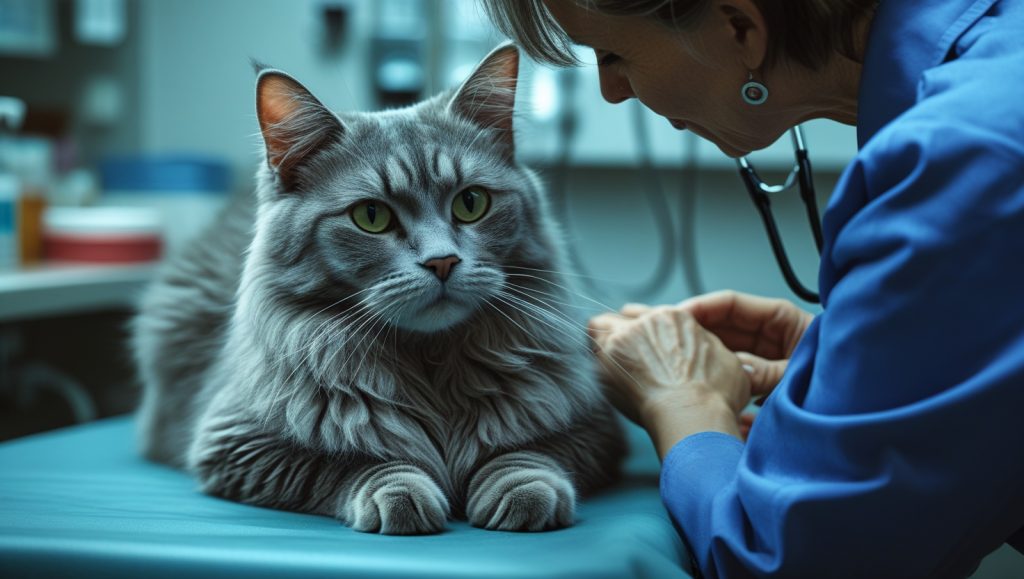
Just like humans, cats are more prone to health issues as they age. Therefore, they need more frequent monitoring.
-
Frequency: Twice a year (Every 6 months).
-
My Experience: When my cat Luna turned 8, my vet recommended switching to twice-yearly check-ups. I was hesitant at first, thinking it was unnecessary. But during one of these routine visits, her blood work showed the very early signs of kidney disease. Because we caught it so early, we were able to manage it with a special diet, and she lived a happy, comfortable life for many more years. This taught me that these semi-annual visits are the best gift you can give your senior cat.
-
What happens at these visits?
-
In addition to the standard adult check-up, your vet will likely perform routine senior blood work and a urinalysis to screen for common age-related diseases like kidney disease, thyroid problems, and diabetes.
-
Making Vet Visits Less Stressful
Let’s be honest, most cats hate going to the vet. The carrier, the car ride, the strange smells—it’s a stressful experience. Here are a few things that can help:
-
A Comfortable Carrier: Choose a sturdy, hard-sided carrier that opens from the top. It makes getting your cat in and out much easier.
-
Calming Pheromone Sprays: Spraying a product like FELIWAY in the carrier 15-20 minutes before you leave can significantly reduce your cat’s anxiety.
-
Make the Carrier a Friend: Don’t just bring the carrier out for vet visits. Leave it open in your living room with a soft blanket inside, and occasionally toss treats in it. This helps them see it as a safe space, not a scary one.
Consider Pet Insurance: A Financial Safety Net
Unexpected vet bills can be a huge financial burden. This is especially true for emergencies or chronic illnesses. Getting pet insurance when your cat is young and healthy can be a lifesaver, ensuring you never have to make a difficult decision about their care based on cost.
Frequently Asked Questions About Vet Visits
Navigating your cat’s healthcare can bring up many questions. Here are the answers to some of the most common ones.
1. How much does a routine vet check-up for a cat typically cost?
The cost of a routine wellness exam can vary widely depending on your location, but you can generally expect to pay between $50 and $100. This usually covers the physical examination. Vaccinations, blood work, or any additional tests will be extra. It’s always a good idea to call your local clinics beforehand to get an idea of their prices.
2. My indoor cat seems perfectly healthy. Is an annual vet visit really necessary?
Yes, absolutely. This is one of the most critical points of preventive care. Cats are masters at hiding illness, and a seemingly healthy cat could be hiding the early stages of a serious condition like dental disease or kidney issues. An annual check-up allows your vet to catch these problems before they become severe and more expensive to treat. Think of it as a health investment, not just a visit for when they are sick.
3. What vaccines does my indoor cat need?
While your indoor cat is protected from many outdoor risks, they still need core vaccines. The essential “core” vaccines for all cats, including indoor ones, typically protect against:
-
Rabies
-
Feline Panleukopenia (distemper)
-
Feline Herpesvirus
-
Feline Calicivirus
Your veterinarian will recommend the right vaccine schedule for your cat based on their specific lifestyle and risks.
4. How can I prepare my cat for their first vet visit?
The key is to make the experience as positive as possible. Get your kitten used to their cat carrier long before the visit by leaving it open in the house with treats and toys inside. Take them on a few short, fun car rides that don’t end at the vet. On the day of the visit, stay calm yourself, as your cat can sense your anxiety. Bring their favorite treats to give them at the clinic.
Final Verdict: Be Proactive, Not Reactive
Waiting until your cat is visibly sick is often too late. Regular, preventive vet visits are the cornerstone of responsible cat ownership. By following this age-by-age guide and working closely with your veterinarian, you can provide your furry friend with the best chance at a long, healthy, and happy life.