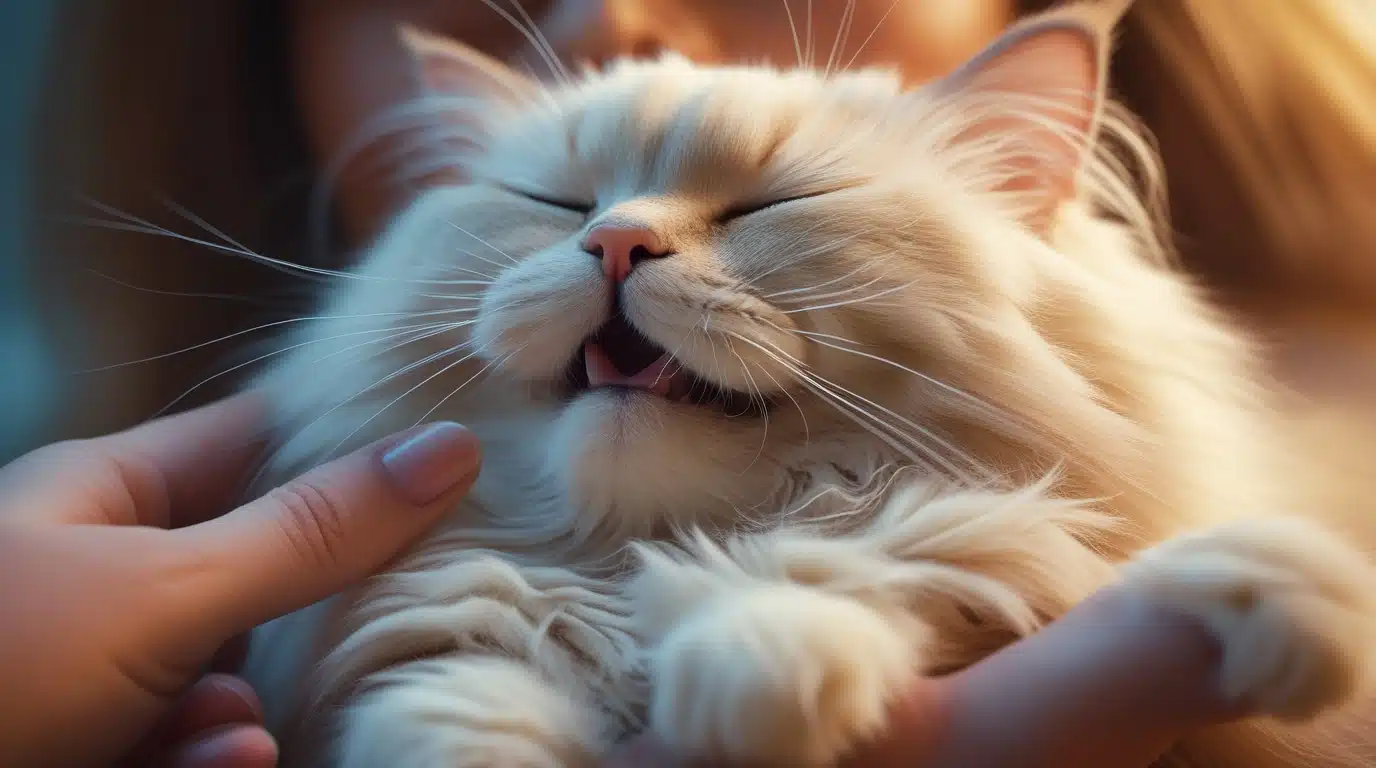
There’s no sound more comforting to a cat lover than the gentle, rhythmic rumble of a purr. It’s a sound that feels like pure contentment, a soft engine of happiness vibrating through your home. I still remember the first time my cat, Leo, curled up on my chest as a tiny kitten and started to purr. In that moment, I felt an incredible bond, a sense of peace that only a purring cat can bring.
But have you ever wondered, what’s really going on behind that soothing sound? Is it always a sign of happiness? And how do they even make that magical noise?
This guide will take you deep into the fascinating world of purring. We’ll explore the science, the psychology, and the surprising reasons why cats purr—some of which might truly surprise you.
How Cats Produce Purring Sounds
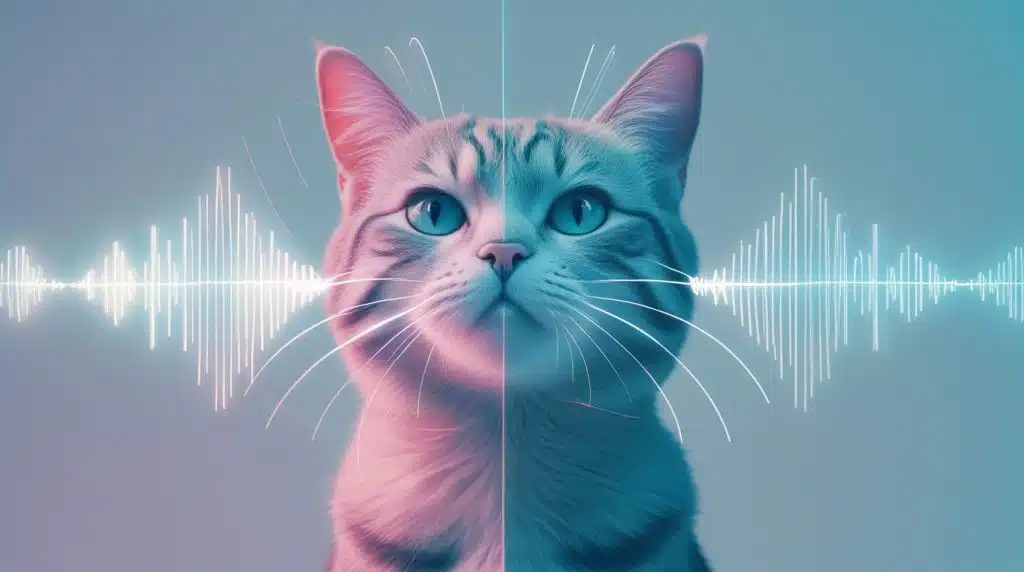
Cats create purring sounds by quickly moving their vocal cords while breathing. This steady vibration comes from their brain sending signals to muscles in the voice box. Purring often shows contentment but can also help cats feel calm and heal faster.
The Anatomy Behind Purring
Cats produce purring sounds using special muscles in their voice box. These muscles twitch rapidly. This causes the vocal cords to open and close quickly. The movement creates a unique sound known as purring.
The diaphragm also helps by controlling airflow. Air moves in and out of the lungs during purring. This airflow passes over the vocal cords, making the purring noise steady and soft.
The Role Of The Brain And Vocal Cords
The cat’s brain sends signals to the voice box muscles. These signals cause the muscles to move rhythmically. The brain controls the timing and speed of these movements.
Vocal cords vibrate with each twitch. This vibration produces the continuous purring sound. Cats can purr both while breathing in and breathing out. This creates the smooth, constant purr that many find calming.
Common Reasons Cats Purr
Cats purr for many reasons. It is one of their most common sounds. Purring often shows how cats feel inside. It helps them communicate with people and other animals.
Understanding why cats purr helps us connect with them better. The sound can mean different things in different situations. Below are some common reasons cats purr.
Expressing Contentment
This is the classic purr we all know and love—a soft, happy song that shows a cat feels completely safe and relaxed. It’s the most common reason cats purr, and you’ll often hear it when you are petting them, when they are resting peacefully, or when they are lying in a favorite warm spot.
For my own cat, Leo, this is the sound he makes when he’s found the perfect patch of sun on the carpet, or when I’m scratching him just right behind the ears. It’s a deep, steady rumble that is his way of saying, “All is right in my world, and I am perfectly content.” This gentle sound is one of the greatest rewards of being a cat parent.
Seeking Attention
Cats sometimes purr to get your notice. They want food, play, or cuddles. The purring grabs your attention quickly. Mother cats purr to call their kittens. Similarly, cats use purring to speak with humans. It is a way to ask for care or love.
Sometimes, a purr can be a polite (or not-so-polite!) request. I’ve noticed Leo has a specific, slightly higher-pitched purr that he uses around dinnertime. It’s often combined with rubbing against my legs. It’s his clever way of saying, “Hey, remember me? My food bowl seems to be empty!” Studies have even shown that this “solicitation purr” has a frequency similar to a human baby’s cry, making it very hard for us to ignore.
Healing Powers Of Purring
Cats purr not just to show happiness. Their purring has healing powers. Scientists study these sounds to understand their effects. Purring helps cats heal faster and feel calm. The vibrations from purring play a key role in health and recovery.
Self-soothing And Stress Relief
Purring helps cats calm down during stress or pain. The gentle vibrations lower their heart rate. This process reduces anxiety and promotes relaxation. Cats often purr when scared or hurt. It acts like a natural medicine to soothe their nerves. The sound creates a peaceful feeling inside their body.
A few years ago, we had a thunderstorm that really frightened Leo. I found him hiding under the bed, and while he was clearly scared, he was also purring softly. It wasn’t a purr of happiness; it was a low, continuous hum. It was as if he was trying to calm himself down, like a child humming in the dark. It was a powerful reminder that purring is also a cat’s personal coping mechanism.
Bone And Tissue Regeneration
Purring creates vibrations between 25 and 150 Hertz. These frequencies encourage bone growth and repair. Studies show purring helps heal broken bones faster. It also aids tissue regeneration and reduces swelling. Cats use purring to heal muscles and tendons. This natural therapy improves their overall physical health.
Purring In Stressful Situations
Cats purr in many situations, not just when they are happy. They also purr during stressful moments. This behavior helps them cope with pain, fear, or discomfort. Purring acts like a natural therapy for cats. It can calm their nerves and even help heal their bodies.
Calming During Pain Or Illness
Cats often purr when they feel pain or are sick. The low vibrations from purring may help reduce pain. It can also lower stress and anxiety. Purring might even promote healing by increasing blood flow. This natural healing method helps cats feel better faster. It is a way cats comfort themselves without needing help.
Communication In Fearful Moments
Purring can also be a way cats communicate fear. When scared, cats might purr to show they are not a threat. This can calm other animals or people around them. It is a signal that says, “I am scared, but I mean no harm.” Purring in fear helps cats stay safe in stressful situations.
Purring And Cat Communication
Cats use purring as a special way to communicate. It is more than just a sound. Purring helps cats show their feelings and connect with others. This soft vibration carries different meanings. It can express comfort, trust, or even a request for attention.
Understanding how cats use purring in their social world helps us bond with them better. It shows us what they feel inside. Let’s explore how purring plays a key role in cat communication.
Bonding With Humans
Cats purr to show love and trust towards their humans. When they curl up and purr, they feel safe and happy. This sound can calm both the cat and the person nearby.
Many cats purr to ask for petting or food. It is their gentle way to get attention. Purring helps build a strong bond between cats and their owners.
Enhance Those Purrfect Moments: Our Favorite Comfort Items
When your cat curls up on your lap and starts that soothing purr, it’s a truly special moment of bonding. You can make these moments even more comfortable and enjoyable for both of you with a few simple additions. Here are some of our top picks:
- An Ultra-Soft Throw Blanket: There’s nothing better than snuggling up with your purring cat on a cozy blanket. A plush, machine-washable throw blanket is perfect for protecting your furniture and creating an inviting space for your cat to knead and relax.
- A Comfortable Grooming Glove: Many cats purr the loudest while being petted. Combine that joy with a gentle grooming session using a grooming glove. It feels like a massage to your cat and helps remove loose fur at the same time.
- A Soothing Cat Bed: For times when you’re busy, a warm and secure calming cat bed can be your cat’s favorite place to purr and de-stress. Look for one with raised edges to provide a sense of security.
By purchasing through these links, you help support Happy Cat Haven at no extra cost to you. Thank you!
Interacting With Other Cats
Cats also purr to communicate with other cats. Mother cats purr to comfort their kittens. The kittens purr back to feel safe and loved.
Adult cats may purr to ease tensions during play or meeting new cats. It can signal friendliness and peaceful intentions. Purring helps keep their social groups calm and connected.
Unique Purring Behaviors
Cats’ purring is more than a simple sound. Each cat has its own purring style. These unique purring behaviors show how cats express themselves. Understanding these differences helps us appreciate our pets better.
Some cats purr softly, while others make louder sounds. The way cats purr can change with their mood or situation. These patterns tell us a lot about what a cat feels or needs.
Variations In Purring Patterns
Cats use different purring rhythms. Some purr continuously, others in bursts. The speed of purring can also vary. Faster purring may mean excitement or stress. Slower purring often shows calm or contentment.
Sometimes cats mix purring with other sounds. This mix can signal pain or fear. Purring is not always a sign of happiness. It can be a way to soothe themselves.
Purring In Different Cat Breeds
Not all cat breeds purr the same way. Large cats like lions purr differently from house cats. Some breeds have softer purrs, while others sound stronger. This depends on their size and throat structure.
Breeds known for friendliness often purr more. Siamese and Maine Coon cats purr loudly and often. These breeds use purring to bond with humans. Knowing breed purring traits helps in understanding cats better.
Debunking Common Myths About Purring
Purring is one of the most well-known cat behaviors. Many people think purring always means a cat is happy. This idea is popular but not always true. Cats use purring for many reasons. Understanding these helps us care better for our pets.
This section clears up some common myths about purring. It explains the real reasons behind this unique sound.
Purring Always Means Happiness?
Many believe cats purr only when they feel joy. Cats do purr when relaxed or content. But they also purr in other situations. For example, cats may purr when scared or in pain. Purring can calm them down. It acts like a natural medicine. So, purring does not always mean happiness.
Can Cats Purr When They Are Angry?
People often wonder if angry cats purr. Usually, cats do not purr out of anger. Instead, they might hiss, growl, or swat. Purring is more about self-soothing. Sometimes, a cat purrs to hide pain or stress. This can confuse owners. But true anger in cats shows different sounds and body language.
Frequently Asked Questions
Why Do Cats Purr When They Are Happy?
Cats purr to express contentment and happiness. It is a natural behavior signaling they feel safe and relaxed. Purring also helps strengthen the bond between cats and their owners.
Can Cats Purr To Heal Themselves?
Yes, cats purr to promote healing. The vibrations from purring stimulate tissue regeneration and reduce pain. This self-healing mechanism helps cats recover faster from injuries.
Do All Cats Purr The Same Way?
No, purring varies by cat. Each cat has a unique purr frequency and pattern. Factors like age, breed, and health influence how cats purr.
Why Do Cats Purr When They Are Scared?
Cats purr to calm themselves in stressful situations. Purring releases endorphins that reduce anxiety and pain. It acts as a self-soothing mechanism during fear.
Conclusion
From a sign of pure joy to a tool for self-healing, the purr is one of the most complex and fascinating vocalizations in the animal kingdom. It’s a testament to the incredible depth of our feline friends.
The next time your cat, like my Leo, curls up beside you and that gentle motor starts to run, take a moment to truly appreciate it. You’re not just hearing a sound; you’re hearing a story. You’re being trusted with a piece of their inner world, a vibration of comfort, need, or resilience. And that is a truly special gift.
You might also like…
- How to Litter Train a Kitten in 5 Simple Steps (Fast & Easy)
- The Ultimate New Kitten Checklist (2025): 15 Essentials
Free Cat Nutrition Calculator: Vet-Approved Personal Meal Plan (2025)