
“Is there anything more unsettling for a cat parent than that distinct, rhythmic hacking sound in the middle of the night? When Leo, my curious tabby, started vomiting after his dinner last week, my heart skipped a beat. Was it just a harmless hairball, or something much more serious? Knowing the common causes of cat vomiting is essential for every cat owner to distinguish between a minor stomach upset and a vet emergency. In this comprehensive guide, we’ll explore why cats throw up—from simple dietary issues to underlying health conditions—so you can provide the best care for your feline friend and know exactly when it’s time to seek professional help.”
Cat vomiting is a problem that many pet owners face. It can be frustrating and worrying to see your cat throw up, especially if it happens often. Sometimes, vomiting is nothing to worry about. Other times, it can mean something serious is wrong.
Understanding why your cat vomits is the first step to keeping them healthy and happy.
In this guide, we will explore the most common causes of cat vomiting. We will look at why cats vomit, what warning signs to watch for, and how to help your pet. You will learn about simple reasons, such as eating too fast, and more serious causes, like diseases.
By the end, you will have a clear picture of what makes cats vomit and what you can do. Whether you are a new cat owner or have lived with cats for years, this article will give you valuable knowledge that every cat lover should know.
Understanding Cat Vomiting
Vomiting in cats is not a disease itself. It is a sign that something is wrong with your cat’s body. When a cat vomits, it forces the contents of its stomach or upper intestine out through the mouth. This can happen for many reasons.
Acute Vs. Chronic Vomiting
- Acute vomiting happens suddenly and does not last long. It may last a day or two.
- Chronic vomiting means the cat vomits regularly over weeks or months.
Acute vomiting is sometimes less worrying, especially if your cat acts normal afterward. Chronic vomiting is more serious and often points to a health problem.
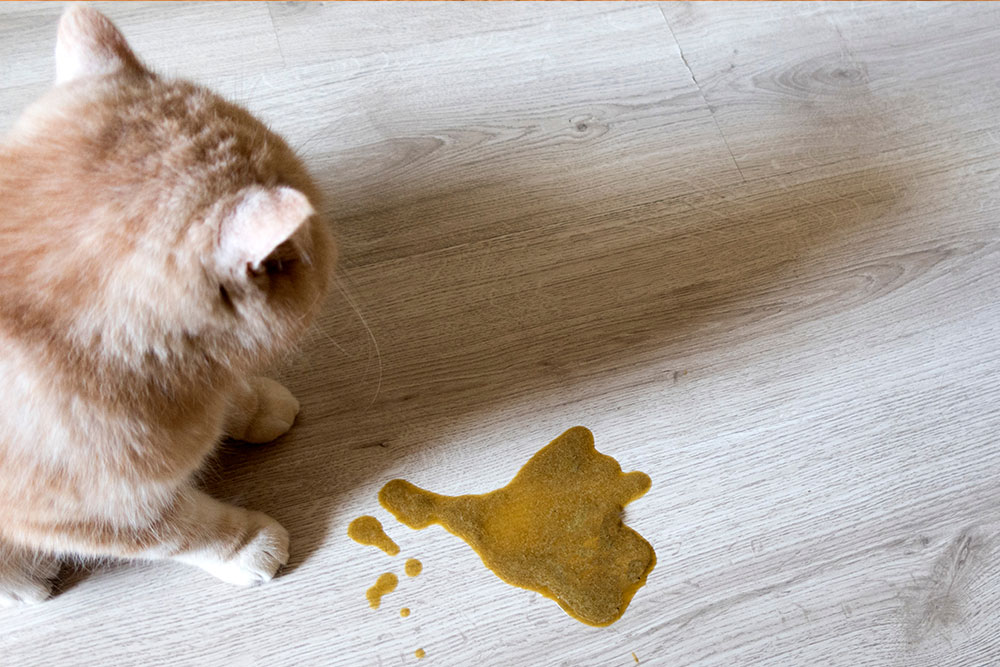
What Does Cat Vomit Look Like?
The look and content of the vomit can give you clues:
- Food or hair: Often from eating too fast or hairballs.
- Foam or bile: Sometimes from an empty stomach or digestive upset.
- Blood or unusual color: May signal a bigger problem.
Always take note of what the vomit looks like, how often it happens, and any other symptoms.
Dietary Causes Of Cat Vomiting
Many cases of cat vomiting are linked to what and how cats eat. Let’s look at the most common dietary reasons.
1. Eating Too Quickly
Some cats eat their food so fast that they swallow air. This can make them vomit right after eating. If you have more than one cat, competition at mealtime can make this worse. Slow-feed bowls or spreading food on a tray can help slow them down.
2. Sudden Food Changes
Cats have sensitive stomachs. If you change their food too quickly, it can upset their digestion and cause vomiting. Always switch food slowly—mix the old and new food over a week.
3. Food Intolerance Or Allergy
Some cats are sensitive to certain ingredients. Dairy, beef, fish, and grains are common triggers. Symptoms include vomiting, diarrhea, and itchy skin. If you suspect a food allergy, try an elimination diet with help from your vet.
4. Eating Spoiled Or Toxic Food
Cats are curious and may eat things they find around the house or outside. Spoiled food, garbage, or toxic plants (like lilies) can irritate the stomach and cause vomiting. Always keep dangerous items away from your cat.
5. Overeating
Free-feeding or leaving food out all day can lead to overeating. This stretches the stomach and can lead to vomiting. Feed your cat measured meals instead.
6. Hairballs
🐱 Leo’s Solution for Sensitive Stomachs
If your cat vomits due to sensitive digestion or vitamin deficiency, a high-quality supplement can make a huge difference. We recommend:
Taurine for Cats Vitamins Treats, 15 in 1 Cat Multivitamin
Supports digestive health and boosts overall immunity. Perfect for cats with occasional stomach upsets.
Check Price on Amazon →Cats groom themselves with their tongues, swallowing loose hair. Hair often passes through, but sometimes it forms a ball in the stomach. The cat then vomits up the hairball. Long-haired breeds, like Persians and Maine Coons, are more prone to hairballs.
Practical Hairball Tips:
- Brush your cat often to remove loose fur.
- Use hairball control food or gels if your cat vomits hairballs frequently.

Credit: headsupfortails.com
Medical Causes Of Cat Vomiting
When vomiting is not related to food or hairballs, a medical problem may be the cause. Some medical reasons are mild, while others are life-threatening.
7. Gastrointestinal Parasites
Worms such as roundworms, hookworms, or tapeworms can irritate your cat’s stomach and intestines, causing vomiting. Kittens and outdoor cats are especially at risk.
8. Infections
Viral, bacterial, or fungal infections can upset the stomach. Common infections include panleukopenia (feline distemper) and feline infectious peritonitis (FIP). These are often serious and need quick treatment.
9. Inflammatory Bowel Disease (ibd)
IBD means the cat’s intestines are inflamed, often from an abnormal immune response. Vomiting, diarrhea, and weight loss are common. Middle-aged and older cats are most often affected.
10. Gastrointestinal Obstruction
Sometimes cats swallow string, toys, or other objects that block their intestines. This is an emergency. Signs include repeated vomiting, no appetite, and stomach pain. If you think your cat swallowed something it shouldn’t, see your vet immediately.
11. Gastritis Or Stomach Ulcers
Inflammation or sores in the stomach lining can cause vomiting. Stomach ulcers may also lead to blood in the vomit, which looks like coffee grounds. Causes include stress, certain medicines, or infections.
12. Pancreatitis
The pancreas helps digest food. When it becomes inflamed (pancreatitis), the cat may vomit, have belly pain, and act very sick. Pancreatitis needs veterinary care and can be dangerous.
13. Liver Disease
The liver helps remove toxins from the body. If it is not working right, waste builds up and makes the cat vomit. Other signs include yellow gums (jaundice), weight loss, and poor appetite.
14. Kidney Disease
Chronic kidney disease is common in older cats. As the kidneys fail, toxins build up in the blood, leading to nausea and vomiting. Increased thirst, more urination, and weight loss may also appear.
15. Hyperthyroidism
Older cats sometimes develop hyperthyroidism, where the thyroid gland makes too much hormone. This speeds up the body’s metabolism. Signs include vomiting, weight loss, hunger, and hyperactivity.
16. Diabetes Mellitus
Diabetes in cats can cause vomiting, especially if blood sugar is too high or low. Other signs include drinking a lot, peeing a lot, and weight changes.
17. Cancer
Tumors in the stomach or intestines can cause vomiting. Lymphoma is the most common cancer in cats’ digestive tracts. Vomiting, weight loss, and not eating are common signs.
18. Constipation Or Megacolon
If a cat cannot pass stool, it may vomit. Megacolon is a condition where the colon becomes too large and weak. This is more common in older or overweight cats.
19. Poisoning
Many household items are toxic to cats. Medications, plants, cleaning products, and certain foods like onions or chocolate can cause vomiting and other severe symptoms. Quick action is needed if poisoning is suspected.
20. Side Effects Of Medication
Some medicines, like antibiotics, painkillers, or chemotherapy drugs, can upset the stomach and cause vomiting. Always give medicine as directed and talk to your vet if vomiting occurs.
Behavioral And Environmental Causes
Sometimes, vomiting happens due to things in your cat’s environment or because of stress.
21. Stress Or Anxiety
Cats are sensitive animals. Changes in routine, new pets, moving, or even loud noises can make them stressed. Stress can upset the stomach and lead to vomiting.
22. Motion Sickness
Some cats vomit during car rides due to motion sickness. This is more common in young cats or those not used to travel. Try to keep car rides short and calm.
23. Eating Non-food Objects (pica)
Some cats eat things that are not food, like fabric, plastic, or rubber bands. This is called pica. It can cause vomiting or even blockages. Keep small items out of reach and talk to your vet if your cat chews on strange things.
How To Recognize A Vomiting Emergency
Not every case of vomiting needs a trip to the vet. But some signs mean you should get help right away:
- Vomiting many times in a day
- Blood in vomit or stool
- Weakness or collapse
- Swollen or painful belly
- Not eating or drinking for more than 24 hours
- Signs of poisoning (drooling, seizures)
If your cat has any of these, see your vet as soon as possible.
Diagnosing The Cause
Finding the reason for vomiting can be tricky. Your vet will ask about your cat’s history, diet, and other symptoms. They may recommend:
- Physical exam
- Blood and urine tests
- Fecal tests for parasites
- X-rays or ultrasound
- Endoscopy (looking inside the stomach with a camera)
- Biopsies (tissue samples)
These tests help find the exact cause and the best treatment.
What To Tell Your Vet
When you visit the vet, bring this information:
- How often your cat vomits
- What the vomit looks like
- Any other symptoms (diarrhea, weight loss, etc.)
- Recent food changes or new medications
- Access to plants, chemicals, or toys
This helps your vet make a quick and accurate diagnosis.
Treatment Options For Cat Vomiting
Treatment depends on what is causing the vomiting. Here are the main approaches.
Dietary Management
If diet is the cause, your vet may suggest:
- Feeding smaller, more frequent meals
- Switching to a bland or special diet
- Using slow-feed bowls
For food allergies, a hypoallergenic or novel protein diet may be needed.
Medication
Your vet may prescribe:
- Anti-nausea drugs (like maropitant)
- Antacids for stomach ulcers
- Dewormers for parasites
- Antibiotics for infections
- Steroids for inflammation
Never give human medicine to your cat without asking your vet.
Treating Underlying Diseases
If a disease is to blame, treatment targets the problem:
- Kidney disease: Special diet, fluids, medication
- Hyperthyroidism: Medication, surgery, or radioactive treatment
- Diabetes: Insulin and diet changes
- Cancer: Surgery, chemotherapy
Surgery
If vomiting is due to a blockage or tumor, surgery may be the only option. Early action saves lives.
Supportive Care
Cats who vomit a lot may need:
- Fluids to prevent dehydration
- Appetite stimulants
- Rest and stress reduction
Preventing Cat Vomiting
Not all vomiting can be prevented, but you can lower the risk.
Regular Vet Checkups
Annual checkups can catch problems early before they cause vomiting.
Safe Home Environment
Keep dangerous foods, plants, and chemicals locked away. Check your house for small items your cat might eat.
Grooming
Brush your cat often to cut down on hairballs, especially if they have long hair.
Measured Meals
Feed your cat on a schedule and avoid sudden food changes. Use slow-feed bowls for fast eaters.
Parasite Control
Give regular deworming treatments, especially for outdoor cats.
Stress Reduction
Keep a calm routine. Add hiding spots and vertical spaces for shy or anxious cats.
Cat Vomiting: When To Worry
You do not need to panic every time your cat vomits. But these situations should make you call your vet:
- Vomiting is frequent or lasts more than two days
- Your cat stops eating or acts sick
- Vomit contains blood, worms, or strange objects
- Your cat is very young, old, or has other health problems
Cats are good at hiding sickness. If you are unsure, it is better to be safe and talk to your vet.
Comparing Common Causes Of Cat Vomiting
To help you understand the differences, here is a comparison of some main causes:
| Cause | How Soon It Happens | Other Signs | Typical in |
|---|---|---|---|
| Hairballs | Occasional | Hair in vomit | Long-haired cats |
| Food change | Hours to days | Soft stool, gas | Any cat |
| Infections | Sudden | Fever, lethargy | Young or sick cats |
| Obstruction | Acute | No stool, pain | Young, playful cats |
| Kidney disease | Chronic | Thirst, weight loss | Older cats |
Credit: lebanonanimalhospital.com
Common Mistakes Cat Owners Make
Many owners try to help their cats at home, but some actions can make things worse:
- Waiting too long to see a vet. Cats can get very sick quickly.
- Changing food too fast. Always switch gradually.
- Giving human medicine. Many human drugs are dangerous for cats.
- Ignoring other symptoms. Vomiting with other signs needs more attention.
- Not checking for poisons. Many houseplants and foods are toxic to cats.
Practical Tips For Cat Owners
- Watch your cat’s behavior as closely as the vomit itself. Changes in mood, energy, or eating are important clues.
- Weigh your cat regularly if vomiting happens often. Weight loss is a warning sign.
- Keep a diary. Write down when vomiting happens, what your cat ate, and any other changes.
- Clean food and water bowls daily to prevent bacteria build-up.
- Use puzzle feeders or slow bowls for greedy eaters.
- If you see blood, worms, or foreign objects in vomit, call your vet at once.
Case Examples: Real-life Cat Vomiting
Example 1: Young Cat With Hairballs
Milo, a 2-year-old long-haired cat, started vomiting up sausage-shaped hairballs once a week. He was otherwise healthy. His owner began brushing him every day and switched to a hairball-control diet. The vomiting stopped within a month.
Example 2: Senior Cat With Chronic Vomiting
Bella, a 13-year-old tabby, vomited several times a week and lost weight. Tests showed she had chronic kidney disease. With a special diet and medication, her vomiting improved, and she gained weight.
Example 3: Kitten With Parasites
Luna, a 6-month-old kitten, vomited worms and had a swollen belly. Deworming medicine fixed the problem, and her appetite and energy returned.
Example 4: Cat Swallowed String
Tiger, a playful young cat, suddenly vomited and stopped eating. An X-ray showed a string blocking his intestines. Emergency surgery removed the string, and he made a full recovery.
These cases show how different the causes and treatments can be. Every cat is unique.
Data: How Common Is Cat Vomiting?
Studies show that vomiting is one of the top reasons cats visit the vet. In one survey, up to 30% of feline vet visits involved vomiting or digestive problems.
Another study found:
- Hairballs: 10-20% of cases
- Dietary issues: 20-25%
- Diseases (kidney, liver, IBD): 30-40%
- Foreign objects: 5-10%
- Other causes: 10-20%
These numbers show why it’s important to look for the real reason behind your cat’s vomiting.
| Cause | Estimated Percentage | Vet Visit Needed? |
|---|---|---|
| Hairballs | 10-20% | Sometimes |
| Dietary issues | 20-25% | Rarely |
| Diseases | 30-40% | Usually |
| Foreign objects | 5-10% | Always |
| Other | 10-20% | Varies |
When Cat Vomiting Is Normal
It’s important to know that some vomiting is normal for cats. Occasional hairballs or mild vomiting after eating too fast is not always a sign of disease. However, watch for patterns—frequent vomiting, changes in appetite, or weight loss mean it’s time to talk to your vet.
A healthy adult cat who vomits once every few weeks, but is otherwise normal, is usually not a concern. Kittens, seniors, and cats with other symptoms need more attention.
Resources For Cat Owners
If you want to learn more or need help, check with your local vet or visit the American Association of Feline Practitioners for up-to-date advice: Cat Friendly Homes.

Credit: www.greggio.com
Frequently Asked Questions
Why Does My Cat Vomit After Eating?
Cats may vomit after eating if they eat too fast, swallow air, have a sensitive stomach, or have a food allergy. Using slow-feed bowls and feeding smaller meals often helps.
How Can I Tell If My Cat’s Vomiting Is An Emergency?
Vomiting is an emergency if it is frequent, contains blood, is paired with other symptoms like weakness, or if your cat cannot keep down water. Always call your vet if you are unsure.
Should I Change My Cat’s Food If They Vomit?
Do not change food suddenly. If you think food is causing vomiting, switch slowly over a week. Talk to your vet before changing diets, especially if vomiting is frequent.
Can Stress Make My Cat Vomit?
Yes, cats can vomit due to stress or anxiety. Changes in environment, new pets, or loud noises may upset some cats. Reducing stress and keeping a regular routine can help.
What Can I Do At Home If My Cat Vomits?
If your cat vomits once but acts normal, remove food for 6–12 hours (not water). Then offer a small bland meal. If vomiting continues or other symptoms appear, call your vet.
Every cat is different, and vomiting can have many causes. By knowing the common reasons and warning signs, you can help keep your cat healthy and safe.
You might also like…
-
- Cat Spraying Vs Peeing: Key Differences Every Owner Must Know
- Clavamox for Cats: Effective Treatment Tips & Dosage Guide 2026
- Free Cat Nutrition Calculator: Vet-Approved Personal Meal Plan (2026)
- 150+ Best Names for Orange Cats (Male, Female & Cute Ideas)
- Benadryl for Cats: Is It Safe? Vet Guide to Dosage & Risks (2026)
- Why Does My Cat Have Watery Eyes? Causes and Solutions 2026
- Best L-Lysine Supplement for Cats (Top 10 Vet-Recommended Options)