
If your cat is feeling unwell and fighting an infection, you want the best care possible. Clavamox for cats is a trusted medicine that many pet owners turn to for quick relief.
But what exactly is Clavamox, and how can it help your furry friend? You’ll discover everything you need to know about Clavamox—how it works, when to use it, and important tips to keep your cat safe. Keep reading to make sure you’re giving your pet the right treatment and helping them bounce back to health faster.
What Exactly is Clavamox?
Clavamox is a widely prescribed antibiotic trusted by veterinarians for treating bacterial infections in cats. Clavamox works so well because it pairs two ingredients that are more powerful together than they are alone.
- The Primary Fighter (Amoxicillin): The first and main component is amoxicillin. This is a potent antibiotic that directly attacks and eliminates the harmful bacteria causing the infection.
- The Protective Shield (Clavulanic Acid): Some clever bacteria develop a defense mechanism to resist antibiotics like amoxicillin. This is where Clavamox’s second ingredient, clavulanic acid, plays its crucial role. It acts as a protective shield, breaking down the bacteria’s defenses and allowing the amoxicillin to work without interruption, ensuring the infection is cleared effectively.
This powerful combination is why veterinarians often recommend Clavamox for a wide range of bacterial illnesses in felines.
How Does Clavamox Work?
Clavamox attacks bacteria in different ways. Amoxicillin breaks the bacterial cell wall, causing bacteria to die. Clavulanic acid blocks enzymes that protect bacteria. This combination makes Clavamox strong against many infections.
What Infections Does Clavamox Treat?
Clavamox treats skin infections, urinary tract infections, and respiratory infections. It also helps with wound infections and dental problems. Vets prescribe it to help cats recover quickly from these issues.
Common Uses In Cats
Clavamox is a common antibiotic prescribed for cats. It helps fight many types of bacterial infections. This medicine is often trusted by vets to treat infections safely and effectively.
Understanding the common uses of Clavamox in cats helps owners know when this medicine might be needed. It treats infections in different parts of a cat’s body.
Skin Infections
Clavamox is often given to treat skin infections in cats. These infections can cause redness, swelling, and pain. The antibiotic helps stop the bacteria causing these issues.
Respiratory Infections
Respiratory infections affect a cat’s nose, throat, and lungs. Clavamox helps reduce symptoms like coughing and sneezing. It fights the bacteria causing these respiratory problems.
Urinary Tract Infections
Urinary tract infections are common in cats. Signs include frequent urination and discomfort. Clavamox helps clear these infections quickly and safely.
Dental Infections
Dental problems can lead to infections in a cat’s mouth. Clavamox treats these infections and helps reduce pain and swelling. It supports healing after dental procedures.
Wound Infections
Cats often get wounds from fights or accidents. Clavamox helps prevent infections in these wounds. It speeds up healing and protects against harmful bacteria.
How Clavamox Works
Clavamox is a common antibiotic prescribed for cats. It helps fight bacterial infections effectively. Understanding how Clavamox works can help pet owners feel confident about their cat’s treatment.
Clavamox combines two active ingredients. Each plays a key role in stopping infections. Together, they target bacteria and prevent them from growing.
Clavamox is a mix of amoxicillin and clavulanic acid. Amoxicillin is a type of penicillin antibiotic. Clavulanic acid stops bacteria from resisting amoxicillin.
How Amoxicillin Fights Bacteria
Amoxicillin kills bacteria by breaking their cell walls. Without strong walls, bacteria burst and die. This stops the infection from spreading in your cat.
The Role Of Clavulanic Acid
Some bacteria produce an enzyme called beta-lactamase. This enzyme can destroy amoxicillin. Clavulanic acid blocks this enzyme, making amoxicillin work better.
Why Use Clavamox For Cats?
Clavamox is effective against many types of bacteria. It treats infections in the skin, mouth, and urinary tract. It also has fewer side effects than some other antibiotics.
Proper Dosage Guidelines
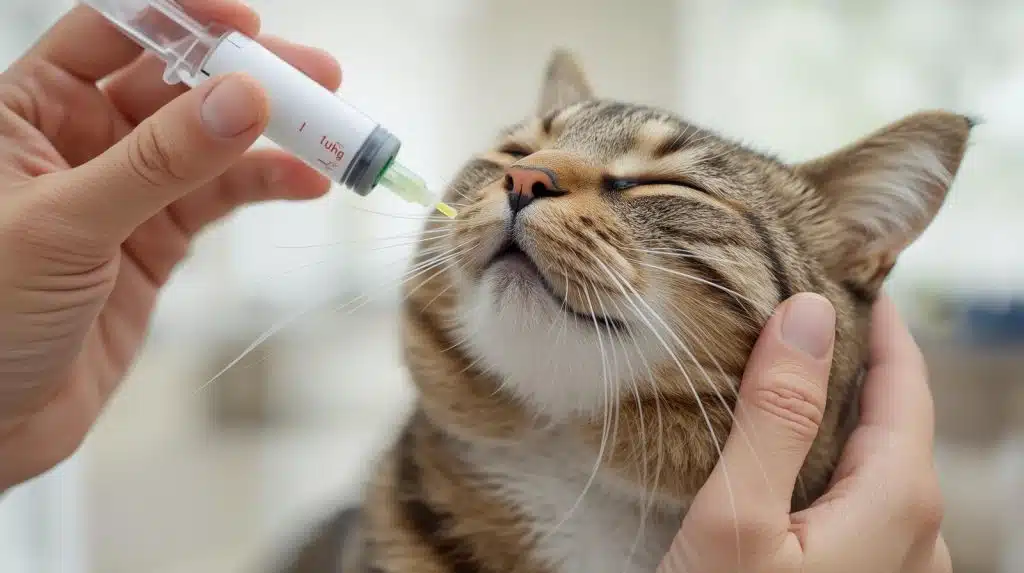
Giving the correct dose of Clavamox to your cat is very important. Too little may not treat the infection. Too much can cause side effects. Knowing the proper dosage helps keep your cat safe and healthy. Follow your vet’s instructions carefully. Here are key points to understand about dosing Clavamox for cats.
Calculating The Right Dose
The right dose depends on your cat’s weight. Vets usually prescribe 12.5 to 25 mg per pound of body weight daily. The dose splits into two parts, given twice a day. Use a kitchen scale or ask your vet to weigh your cat. This helps find the exact amount of medicine needed.
Frequency And Duration
Clavamox usually needs giving every 12 hours. This keeps a steady amount of medicine in your cat’s body. The treatment length depends on the infection’s severity. Most courses last 7 to 14 days. Never stop giving the medicine early, even if your cat feels better. Finish the full course to fully clear the infection.
Administering Clavamox To Cats
Giving Clavamox to cats can be tricky. Cats often resist pills and medicines. Patience and gentle handling help a lot. Knowing the right way makes the process easier and less stressful. There are two main ways to give Clavamox: pills and liquid form. Each method has simple steps you can follow.
Techniques For Giving Pills
Hold your cat securely but gently. Place one hand under the cat’s chin. Use the other hand to open the cat’s mouth. Quickly put the pill at the back of the tongue. Close the mouth and stroke the throat softly. This helps your cat swallow the pill. Give a small treat or praise right after. This creates a positive feeling.
Using Liquid Form
Liquid Clavamox is easier for some cats. Use the dropper or syringe given by the vet. Gently place the tip inside the side of the mouth. Slowly squirt the medicine near the cheek. Allow your cat to swallow naturally. Keep the head slightly raised to avoid choking. Offer water or a treat after to clear the taste.
Possible Side Effects
Clavamox is a common antibiotic prescribed to cats. Like all medicines, it may cause side effects. Most cats tolerate it well, but some can have mild or serious reactions. Knowing these side effects helps you act quickly. Watch your cat closely during treatment.
Mild Reactions
Some cats may show mild side effects. These include vomiting, diarrhea, or loss of appetite. These symptoms often go away on their own. Mild itching or redness around the mouth can also occur. If these last more than two days, contact your vet.
Serious Symptoms To Watch
Serious side effects need immediate attention. Look for swelling of the face, lips, or eyes. Difficulty breathing or severe vomiting are warning signs. Sudden weakness or seizures can also happen. Stop the medicine and call your vet right away if you see these symptoms.
Precautions And Contraindications
Clavamox is a common antibiotic prescribed for cats. It treats infections caused by bacteria. Like all medicines, it needs careful use. Some cats may have side effects or risks. Knowing the precautions and contraindications helps keep your cat safe.
Precautions Before Giving Clavamox
Tell your vet about any allergies your cat has. Watch for signs like itching or swelling. These could mean an allergic reaction. Also, share if your cat has kidney or liver problems. These conditions affect how the medicine works. The vet might adjust the dose to protect your cat.
Use Clavamox only for the infection prescribed. Do not stop the medicine early, even if your cat feels better. Stopping too soon can cause the infection to return. Always follow the vet’s instructions strictly.
Contraindications For Clavamox Use
Do not give Clavamox if your cat is allergic to amoxicillin or clavulanic acid. These are the main ingredients in Clavamox. Cats with a history of severe allergic reactions to penicillin should avoid this drug. Using it could cause dangerous side effects.
Clavamox is not recommended for cats with certain liver or kidney diseases. These conditions can make the drug unsafe. Also, avoid using Clavamox in very young kittens without vet advice. The vet will decide if the medicine is safe for them.
Monitoring Your Cat During Treatment
Watch your cat closely during treatment. Look for vomiting, diarrhea, or loss of appetite. These symptoms could mean side effects. Contact your vet if you see any unusual changes. Regular check-ups help ensure your cat responds well to the medicine.
Tips For Ensuring Effectiveness
Giving Clavamox to your cat needs careful attention. Following some simple tips can help the medicine work well. This section covers two key points to keep Clavamox effective for your cat’s health.
Completing The Course
Always give Clavamox for the full time your vet says. Stopping early can let the infection come back. Even if your cat feels better, keep giving the medicine. This helps kill all the bacteria and stops resistance.
Set reminders for doses. Give medicine at the same time each day. This keeps the drug level steady in your cat’s body. Never skip doses or double up the next time.
Monitoring Your Cat’s Response
Watch your cat closely during treatment. Look for signs like less coughing, sneezing, or swelling. Check if your cat eats and drinks normally. Also, note any side effects like vomiting or diarrhea.
Contact your vet if your cat’s condition worsens or does not improve. Early action can prevent serious problems. Keeping a simple daily log helps track your cat’s progress.
When To Contact The Vet
Knowing when to contact the vet is key for your cat’s health. Clavamox can help fight infections, but some signs need a vet’s attention. Watch your cat closely during treatment. Some symptoms are clear signals to get professional help.
Signs Of An Allergic Reaction
Swelling of the face or paws can be serious. Trouble breathing or sudden vomiting needs immediate care. Stop the medication and call your vet right away.
Persistent Vomiting Or Diarrhea
Some upset stomach is normal, but constant vomiting or diarrhea is not. These symptoms can cause dehydration. Contact the vet if your cat cannot keep food down.
Lack Of Improvement After Several Days
The infection should start to clear within a few days. If your cat still feels sick after five days, seek help. The vet may need to adjust the treatment.
Changes In Behavior Or Appetite
Your cat may act tired or refuse to eat during illness. If these changes last more than two days, call the vet. Sudden hiding or aggression also requires a check-up.
Signs Of Secondary Infection
New symptoms like skin sores or bad smells can mean another infection. Don’t ignore these signs. A vet visit can prevent further problems.
Tips for a Smooth Recovery
- Antibiotics can sometimes disrupt your cat’s digestive system. A vet-recommended probiotic supplement can help maintain healthy gut bacteria during treatment.
- If your cat has a poor appetite while sick, a high-calorie nutritional gel can provide essential energy and nutrients to aid their recovery.”
- Proper hydration is crucial for recovery. A cat water fountain encourages drinking and helps flush out toxins.
Frequently Asked Questions
What Is Clavamox Used For In Cats?
Clavamox treats bacterial infections in cats. It fights infections in skin, urinary tract, respiratory system, and wounds effectively.
How Should I Give Clavamox To My Cat?
Administer Clavamox orally with food to reduce stomach upset. Follow your vet’s dosage and timing instructions carefully.
Are There Any Side Effects Of Clavamox In Cats?
Common side effects include vomiting, diarrhea, and loss of appetite. Contact your vet if severe reactions occur.
Can Clavamox Interact With Other Cat Medications?
Yes, Clavamox can interact with some drugs. Always inform your vet about all medications your cat takes.
Conclusion
Clavamox helps treat many infections in cats. It fights bacteria and supports healing. Always follow the vet’s instructions carefully. Do not stop treatment early, even if your cat feels better. Watch for side effects like vomiting or diarrhea. Contact your vet if you see any problems.
Proper care helps your cat get well faster. Trust your vet’s advice for the best results. Keeping your cat healthy is the main goal. Clavamox can be a useful part of care.
To help maintain your cat’s long-term health, consider adding an immune support supplement to their diet after consulting with your vet.”
You might also like…
The Ultimate New Kitten Checklist (2025): 15 Essentials
How to Litter Train a Kitten in 5 Simple Steps (Fast & Easy)
150+ Best Names for Orange Cats (Male, Female & Cute Ideas)
Benefits of coconut oil for cats : 7 Benefits, Uses, and Safety Tips (2025)
How to Stop Your Cat From Scratching Furniture (3 Simple Tricks)