If your cat struggles with hairballs or constipation, you know how frustrating it can be—for both of you. Laxatone for cats is a simple solution to help ease your furry friend’s discomfort and keep their digestive system running smoothly.
But how does it work, and is it safe for your pet? Keep reading to discover everything you need to know about Laxatone, so you can make the best choice for your cat’s health and happiness.
What Is Laxatone?
Laxatone is a common product for cats that helps with hairball problems. Cats often swallow hair while grooming. This hair can form balls in their stomach. These balls may cause discomfort or blockages.
Laxatone helps move hair through the digestive system. It works as a lubricant and mild laxative. This makes it easier for cats to pass hairballs naturally.
What Is Laxatone Made Of?
Laxatone contains natural ingredients like mineral oil and petroleum jelly. These ingredients coat the hair and stomach lining. This coating helps hair slide through the intestines smoothly. It also reduces irritation in the stomach.
How Does Laxatone Work?
Laxatone softens hairballs inside the cat’s stomach. It helps hair move into the intestines. Then, cats can pass hairballs with their stool. This process prevents hairball build-up and discomfort.
Why Use Laxatone For Cats?
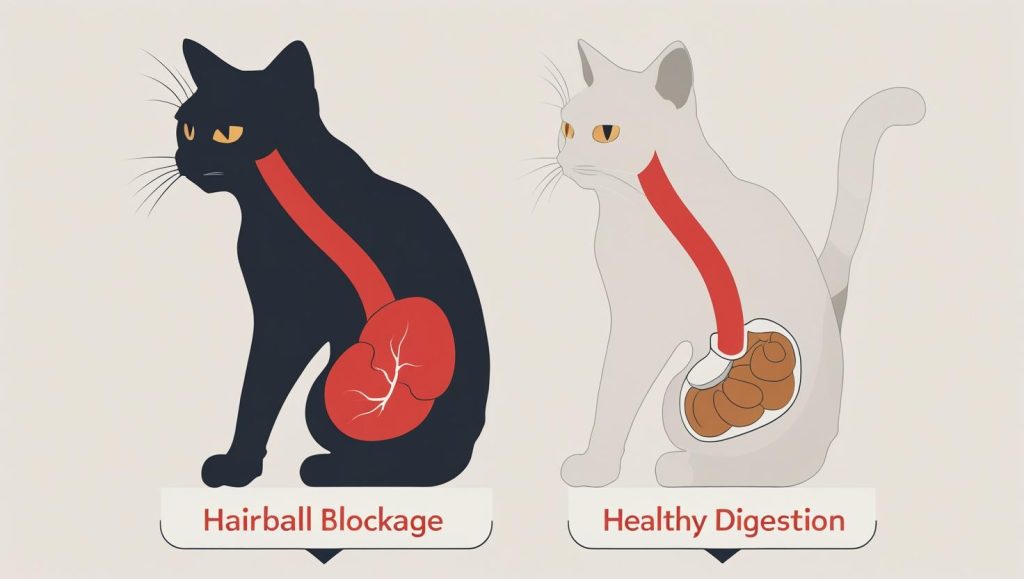
Many cats suffer from hairballs. Laxatone helps keep them healthy and comfortable. It reduces coughing and gagging caused by hairballs. Regular use supports good digestion and grooming habits.
How Laxatone Works
Laxatone is a gentle remedy for cats that helps with hairball problems. Cats often swallow hair while grooming. This hair can build up in their stomach and cause discomfort. Laxatone helps move hair through the digestive system safely.
The formula is easy to use and tastes good to cats. It coats the stomach and intestines, making it easier for hair to pass. This prevents hairballs from forming and reduces vomiting.
Coating The Digestive Tract
Laxatone forms a smooth layer inside the stomach and intestines. This layer helps hair slide down without sticking. It protects the tissues from irritation caused by hairballs.
Lubricating The Hairball
The product acts like a lubricant. It softens the hair and other debris in the stomach. This makes it easier for the hairball to move through the digestive tract.
Promoting Natural Elimination
Laxatone supports the natural process of passing hairballs. Instead of coughing up hair, cats pass it in their stool. This reduces discomfort and keeps the digestive system healthy.
Benefits For Hairball Control
Hairballs can be a big problem for cats. They swallow fur while grooming. This fur can build up inside their stomach. Laxatone helps control these hairballs. It makes passing hair easier and safer.
Using Laxatone can improve your cat’s comfort. It helps stop hairball blockages. Your cat will feel better and cleaner.
Soothes The Digestive Tract
Laxatone coats the stomach and intestines. This soft layer helps move hair through the digestive system. It reduces irritation caused by hairballs. Cats feel less discomfort after taking it.
Helps Smooth Hair Passage
Laxatone works like a lubricant inside the stomach. It makes hair slippery and easier to pass. This lowers the chance of hairballs forming. Cats can expel hair naturally and quickly.
Safe And Easy To Use
Laxatone is designed for cats. It is gentle and safe for daily use. Most cats like its mild flavor. Giving it is simple and stress-free for pet owners.
Proper Dosage And Administration
Giving the right amount of Laxatone to your cat is very important. Proper dosage helps your cat feel better fast. It also keeps them safe. Knowing how to give Laxatone correctly makes the process easier for both you and your pet.
Recommended Amounts
Most cats need about 1/2 to 1 teaspoon of Laxatone each day. The exact dose depends on your cat’s size and health. Small cats usually need less. Always check the package or ask your vet for the right amount. Do not give more than recommended. Too much can cause stomach upset.
Methods Of Giving Laxatone
Laxatone is a thick paste that tastes like malt. Many cats like it as a treat. You can put it on your cat’s paw or nose. Your cat will lick it off. Another way is to mix it with food. Make sure your cat eats all the food with Laxatone. You can also use a syringe to place it directly into the cat’s mouth. Be gentle and calm during this step. This helps your cat stay relaxed.
Safety And Side Effects
Laxatone is a popular gel used to help cats with hairballs. Knowing about its safety and possible side effects is important for every cat owner. This information helps you use the product correctly and keep your cat safe.
Is Laxatone Safe For Cats?
Laxatone is generally safe for most cats. It contains ingredients that help move hair through the digestive system. The gel is gentle and easy to digest. Many veterinarians recommend it to prevent hairball problems. Still, always follow the dosage on the package or your vet’s advice.
Common Side Effects Of Laxatone
Some cats may show mild side effects after using Laxatone. These include soft stools or slight diarrhea. A few cats might have a mild allergic reaction. Watch for itching, swelling, or redness around the mouth or face. If these happen, stop using Laxatone and contact your vet.
When To Contact A Veterinarian
Call your vet if your cat shows severe side effects. Signs include vomiting, loss of appetite, or extreme lethargy. Also, if your cat has trouble breathing or swelling, get help immediately. Your vet can guide you on the best steps to take next.
When To Use Laxatone
Laxatone is a gentle remedy designed to help cats with hairballs and digestive issues. Knowing when to use Laxatone can improve your cat’s comfort and health. It soothes the stomach and helps move hair through the digestive tract. This makes it easier for cats to pass hairballs without discomfort.
Using Laxatone at the right time keeps your cat happy and prevents more serious problems. Here are some clear signs and situations when Laxatone is helpful.
Signs Of Hairball Problems
Cats often cough or gag to bring up hairballs. They may swallow less food or vomit often. Hairballs can cause constipation or stomach upset. Laxatone helps soften the hairball and ease its passage. Use it when you see your cat struggling with hairballs.
During Grooming Periods
Cats shed more in spring and fall. This increases the chance of hairball formation. Apply Laxatone during heavy shedding times to reduce hairball issues. It supports your cat’s digestion as they swallow loose fur.
After Bathing Or Brushing
Bathing or brushing can loosen fur inside the cat’s stomach. Laxatone helps move this fur safely through the digestive system. Use it after grooming to protect your cat from hairball discomfort.
When Your Cat Shows Constipation
Laxatone acts as a mild lubricant in the intestines. It can ease constipation caused by hairballs or dry stool. Give Laxatone if your cat strains or has infrequent bowel movements.
Alternatives To Laxatone
Laxatone is a popular product to help cats with hairballs. Some cat owners want other options for their pets. Alternatives to Laxatone can offer different ingredients or flavors. These may work better for some cats or suit specific needs.
Choosing the right product depends on your cat’s health and preferences. Many alternatives also help with digestion and hairball control. It is important to check the ingredients and consult a vet if unsure.
Petromalt Hairball Remedy
Petromalt is a common alternative to Laxatone. It contains natural oils and ingredients that help move hair through the digestive system. Cats usually like its taste. It helps reduce hairball problems and supports digestion.
Tomlyn Hairball Gel
Tomlyn offers a hairball gel that is easy to apply. It contains mineral oil and other gentle ingredients. This gel helps soothe the stomach and prevent hairballs. Many cats accept it well due to its mild flavor.
Natural Oils And Supplements
Some owners use natural oils like coconut or olive oil. These oils can help lubricate the digestive tract. They may reduce hairball formation naturally. Always use small amounts and consult your vet first.
Fiber-rich Cat Food
Fiber-rich diets can also help prevent hairballs. Special cat foods with added fiber support digestion. They help move hair through the intestines more easily. This option supports overall health and reduces hairball issues.
Regular Grooming And Brushing
Regular brushing removes loose hair before cats swallow it. This reduces hairballs naturally. Grooming is an easy and effective alternative. It also strengthens the bond between you and your cat.
Tips For Managing Hairballs Naturally
Cats often swallow fur while grooming. This fur can form hairballs inside their stomach. Hairballs can cause discomfort and sometimes lead to health issues.
Natural ways to manage hairballs help keep cats comfortable. They reduce the need for strong medicines and support overall health.
Brush Your Cat Regularly
Brushing removes loose fur before your cat swallows it. Use a soft brush designed for cats. Brush daily or several times a week. This reduces the amount of fur in their stomach.
Provide A High-fiber Diet
Fiber helps move hair through the digestive system. Choose cat food with added fiber or natural ingredients like pumpkin. This supports smooth digestion and prevents hairball buildup.
Hydrate Your Cat Well
Water helps keep the digestive tract healthy. Always offer fresh water. Wet cat food can also increase hydration. Proper hydration makes it easier for hair to pass.
Use Natural Lubricants
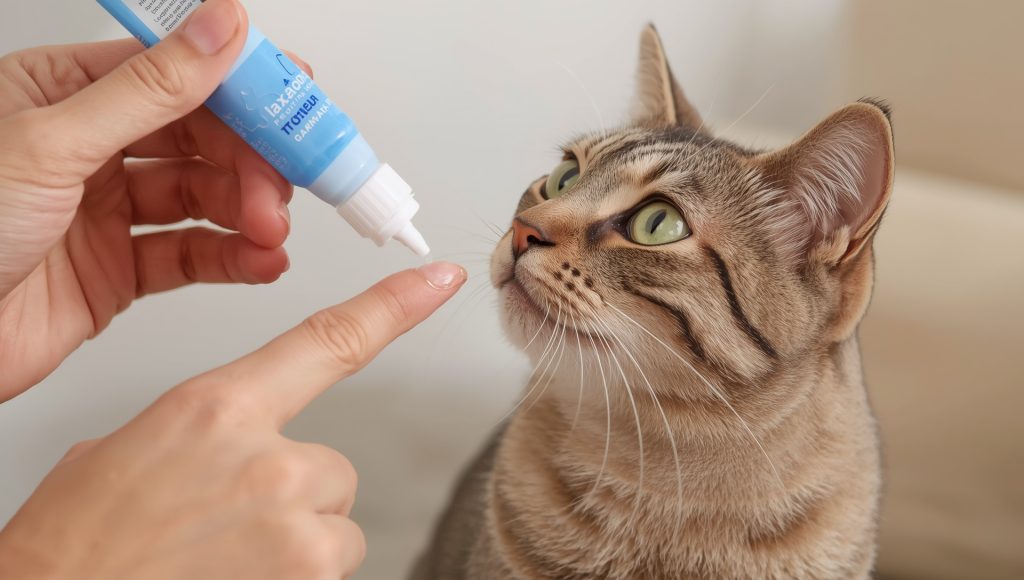
Laxatone is a gentle lubricant for hairballs. It coats the stomach lining, helping hair pass safely. Use as directed to keep your cat comfortable.
Encourage Regular Exercise
Activity boosts digestion and gut movement. Play with your cat daily using toys. Movement helps hair travel through the digestive system faster.
Frequently Asked Questions:
What Is Laxatone Used For In Cats?
Laxatone is a lubricant laxative that helps cats pass hairballs. It softens the hair and eases its movement through the digestive tract. This product supports digestive health and prevents hairball blockages effectively.
How Do I Give Laxatone To My Cat?
Administer Laxatone orally using a syringe or mixing it with food. Follow the dosage instructions on the package or vet advice. Regular use helps maintain smooth hairball passage and digestive comfort for your cat.
Are There Any Side Effects Of Laxatone For Cats?
Laxatone is generally safe with minimal side effects. Rarely, cats may experience mild diarrhea or vomiting. If unusual symptoms occur, consult your veterinarian promptly to ensure your cat’s health and safety.
Can Laxatone Prevent Hairballs In Cats?
Yes, Laxatone helps prevent hairballs by lubricating the digestive tract. It allows ingested hair to pass smoothly, reducing hairball formation. Regular use supports your cat’s digestive system and reduces hairball-related discomfort.
Conclusion:
Laxatone helps keep your cat’s digestive system healthy. It is gentle and easy to use. Regular use can prevent hairballs and constipation. Always follow the correct dosage for safety. Consult your vet if your cat has health issues. This product supports your cat’s comfort and well-being.
Simple care steps make a big difference. Choose Laxatone to help your cat feel better.
You might also like…
- How to Litter Train a Kitten in 5 Simple Steps (Fast & Easy)
- Free Cat Nutrition Calculator: Vet-Approved Personal Meal Plan (2025)
- 150+ Best Names for Orange Cats (Male, Female & Cute Ideas)
Free Cat Nutrition Calculator: Vet-Approved Personal Meal Plan (2025)