
You close the front door, keys jingling in your hand, and head off to work. To you, it’s just another day. But have you ever paused to wonder what goes on in your cat’s mind in that moment? We often think of cats as solitary, independent creatures. But the heartbreaking truth is, many of them suffer in silence from a condition that’s all too common: cat separation anxiety.
It’s a painful reality I came to understand with my own cat, Leo. I used to come home to find him perfectly fine, or so I thought. But one day, I set up a small camera to see what he did all day. What I saw broke my heart. For hours, he would sit by the door, letting out mournful, lonely meows. He wasn’t just waiting; he was grieving my absence.
Your cat’s destructive behavior or sudden litter box issues might not be them “acting out.” It might be a desperate cry for help. In this guide, we’ll uncover the subtle and often-missed signs of a lonely cat, understand the deep-seated causes, and explore real, compassionate solutions to help your best friend feel safe and loved, even when you’re not there.
The Myth of the “Independent” Cat: Why Loneliness is Real
For centuries, we’ve stereotyped cats as aloof loners. But modern science and anyone who has ever been loved by a cat knows this isn’t true. Cats are deeply bonded to their humans and their environment. When their primary source of comfort and security—you—disappears for long stretches, it can trigger genuine anxiety and stress. This isn’t just “missing” you; it’s a form of panic.
10 Heartbreaking Signs of Cat Separation Anxiety
Anxiety in cats often manifests in subtle or destructive behaviors that are easy to misinterpret. Here are the 10 key signs to watch for:
-
Excessive Vocalization (The Lonely Howl): Long, mournful, or anxious meows that happen only when you’re gone. This was the first sign I noticed with Leo thanks to the camera.
-
Destructive Behavior: Scratching furniture, chewing on wires, or knocking things over. This isn’t malice; it’s a panic-fueled attempt to cope with stress.
-
Inappropriate Urination or Defecation: A cat suddenly peeing on your bed, your clothes, or near the door is a classic and powerful sign of distress. They are mixing their scent with yours in a desperate attempt to feel close to you.
-
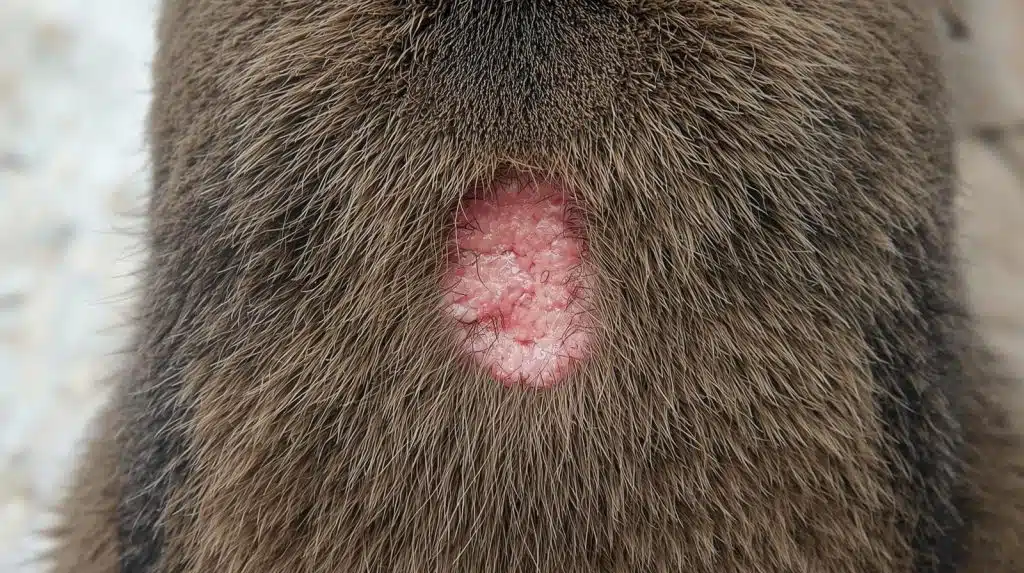
Over-Grooming or Self-Harm: Licking themselves so much that they create bald spots or skin irritations. This is a compulsive behavior used to self-soothe.
-
Changes in Eating Habits: Some cats may refuse to eat while you’re away, while others may eat excessively as a form of comfort.
-
“Clingy” or Shadow-Like Behavior When You’re Home: Does your cat follow you from room to room, unable to let you out of their sight? This “Velcro cat” behavior can be a sign that they’re terrified of you leaving again.
-
Frantic Greetings: An overly frantic, desperate greeting when you walk in the door, as if they thought you were never coming back.
-
Hiding or Withdrawing: Some cats cope with anxiety by hiding and becoming unresponsive.
-
Vomiting: Stress can cause gastrointestinal upset, leading to vomiting of food or hairballs, often in your absence.
-
Trying to Escape: Frantically trying to get out of a room or the house when they sense you are about to leave.
How to Help a Lonely Cat: A Toolkit for a Peaceful Home
The goal is not to “fix” your cat but to help them feel secure. This requires creating an environment that is calming and enriching. Here is our vet-approved toolkit.
Our Vet-Approved Toolkit for a Peaceful, Happy Cat
Helping a lonely cat feel secure requires creating an environment that is both calming and enriching. Here is our toolkit of trusted products to transform your cat’s lonely hours into peaceful moments.
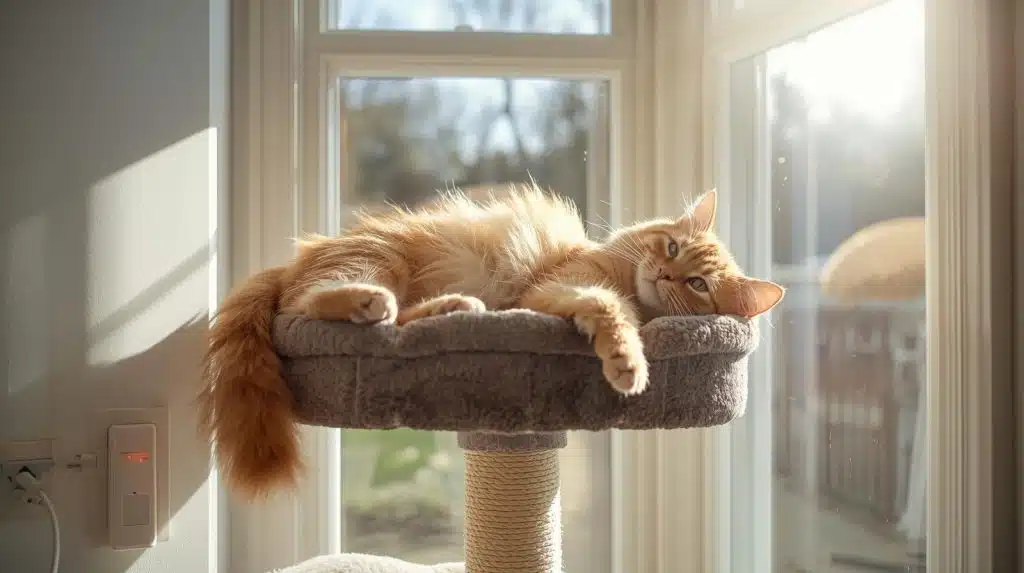
- Create a “Fortress of Fun”: A bored cat is an anxious cat. Keep their minds busy with interactive puzzle feeders, and give them a view of the world with a comfortable cat window perch.
- Build a “Zen” Atmosphere: Pheromone diffusers are a game-changer. We personally swear by the Feliway Classic Calming Diffuser. It creates a continuous sense of calm and familiarity, significantly reducing stress.
- Stay Connected While Away: Bridge the distance with technology. A pet camera with 2-way audio allows you to see and talk to your cat during the day. Hearing your voice can be incredibly reassuring for an anxious feline.
When to Consult a Veterinarian
If you’ve tried these strategies and your cat’s anxiety is still severe or causing them to self-harm, it’s time to consult your vet. They can rule out any underlying medical issues and, in some cases, may prescribe anti-anxiety medication specifically formulated for pets. Remember, seeking professional help is a sign of responsible and loving ownership.
Frequently Asked Questions (FAQ) About Cat Separation Anxiety
1. Is it normal for my cat to follow me everywhere?
While it can be a sign of affection, “Velcro cat” behavior (following you constantly, even into the bathroom) can also be a sign of underlying separation anxiety. It may indicate that your cat is insecure and fears being alone. If this behavior is accompanied by other signs of distress when you leave, it’s worth investigating further.
2. I have two cats. Can one of them still get lonely?
Yes, absolutely. While having a feline companion can certainly help, a cat’s primary bond is often with their human. Some cats are so strongly attached to their specific owner that the presence of another cat isn’t enough to soothe their anxiety when that person is gone. Separation anxiety can be very specific to one person.
3. Will getting another cat solve my current cat’s loneliness?
This is a risky strategy and can sometimes make the problem worse. If your cat is suffering from separation anxiety, introducing a new cat can add territorial stress and conflict to their already anxious state. It’s far better to address the root causes of your current cat’s anxiety first before considering adding another pet to your household.
4. How long can I leave a cat with separation anxiety alone?
There is no magic number, as it varies for each cat. The goal is to gradually increase the time. Start with very short departures (just a few minutes) and slowly extend the duration as your cat becomes more comfortable. Using tools like puzzle feeders and calming diffusers can help make this process smoother. Always ensure they have fresh water, food, and a clean litter box before you leave.
Conclusion
Our cats give us so much unconditional love and comfort; it’s our duty to ensure they feel safe and secure in return. Recognizing the signs of cat separation anxiety is the first step towards healing. It’s a journey that requires patience, compassion, and a little bit of detective work.
By enriching their environment and reassuring them of your love, you can transform their lonely hours of anxiety into peaceful moments of rest. The quiet confidence of knowing your cat is happy and secure in your absence is the ultimate peace of mind for any cat parent.
You might also like…
- Free Cat Nutrition Calculator: Vet-Approved Personal Meal Plan (2025)
- 150+ Best Names for Orange Cats (Male, Female & Cute Ideas)
- Benadryl for Cats: Is It Safe? Vet Guide to Dosage & Risks (2025)
- Benefits of coconut oil for cats : 7 Benefits, Uses, and Safety Tips (2025)
- Best Cat Food for Sensitive Stomach (2025): 5 Vet Picks