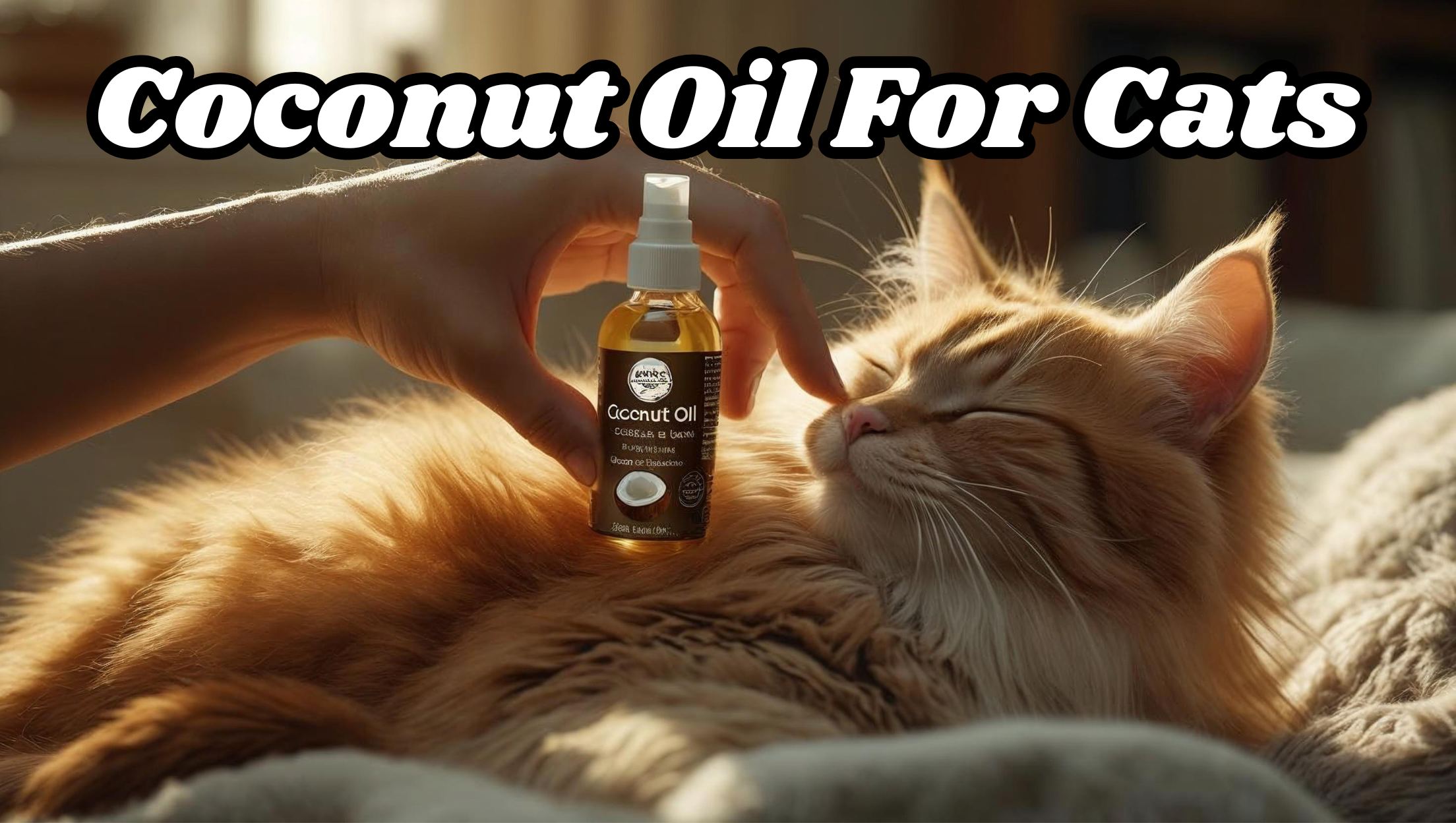
Is Coconut Oil a Superfood for Cats? 7 Surprising Benefits Revealed
In the world of natural health, coconut oil is often praised as a miracle superfood. We use it for our hair, our skin, and in our cooking. As a devoted cat parent, it’s natural to wonder: can this “miracle” oil also benefit our feline friends? For years, I’ve explored natural remedies to complement traditional veterinary care, and the topic of the benefits of coconut oil for cats comes up repeatedly.
The internet is filled with conflicting information, making it hard to know what to believe. My mission today is to cut through the noise. This guide, based on extensive research and veterinary insights, will give you a clear, honest look at the real benefits, risks, and the safest way to use coconut oil for your cat.
What Exactly Is Coconut Oil?
Put, Coconut oil is a type of fat extracted from raw coconuts. The most beneficial type for pets is virgin or unrefined coconut oil, as it’s not processed with chemicals. It’s rich in something called Medium-Chain Triglycerides (MCTs), which are “good fats” that can provide a range of health benefits.
The 7 Potential Benefits of benefits of coconut oil for cats
While coconut oil is not a cure-all, it can offer some wonderful supportive benefits when used correctly and in moderation.
1. Improves Skin and Coat Health
- This is the most well-known benefit. Applying a tiny amount of coconut oil topically can soothe dry, itchy skin and reduce inflammation from things like flea allergies or dermatitis. It can also make your cat’s coat incredibly soft and shiny.
- Best Cat Shampoo for Shedding
2. Reduces Hairballs
- When ingested, coconut oil can help lubricate the digestive tract, allowing hair to pass through more easily instead of forming uncomfortable hairballs.
- My Experience: My long-haired cat, Luna, used to struggle with hairballs, especially during shedding season. I started adding just a tiny dab (about 1/4 teaspoon) of coconut oil to her wet food a few times a week. After a month, I noticed a significant reduction in how often she was coughing up hairballs. It was a simple, natural solution that made her much more comfortable.
3. Soothes Cracked Paws
- Just like our skin, a cat’s paw pads can become dry and cracked. Gently massaging a very small amount of coconut oil into their paws can help moisturize and heal them.
4. Boosts the Immune System
- The MCTs in coconut oil, particularly lauric acid, have natural antibacterial and antiviral properties. Some studies suggest that it can help support a healthy immune system.
5. Helps with Constipation
- As a natural lubricant, a small dose of coconut oil can help relieve mild constipation by making it easier for stool to pass through the intestines.
6. Can Aid in Dental Health
- While not a replacement for brushing, rubbing a little coconut oil on your cat’s gums can have a mild antibacterial effect, helping to reduce plaque and freshen breath.
7. Increases Energy and Aids Metabolism
- The MCTs in coconut oil are easily digestible and provide a quick source of energy, which can be particularly beneficial for older, more lethargic cats.
How to Use Coconut Oil Safely: Dosage and Method
Safety is the #1 priority. Too much coconut oil can cause an upset stomach, diarrhea, or weight gain.
- Rule of Thumb: Start small! Begin with a tiny amount, like 1/8 to 1/4 of a teaspoon per day, mixed into their food.
- Topical Use: For skin issues, you only need a pea-sized amount. Rub it into your hands first, then gently massage it into your cat’s fur or skin.
- Choosing the Right Product: Always use 100% organic, virgin, cold-pressed coconut oil. This ensures it’s free from chemicals and retains all its beneficial properties. This highly-rated organic coconut oil is a fantastic, pet-safe choice available on Amazon.

Warning: When to AVOID Coconut Oil for your cats
Do not give coconut oil to cats that are overweight or suffer from pancreatitis. Because it is high in fat, it can make these conditions worse. Always consult your veterinarian before adding any new supplement to your cat’s diet, especially if they have pre-existing health conditions using coconut oil for your cats.
Frequently Asked Questions (FAQ) About Coconut Oil for Cats
1. What kind of coconut oil is best for cats?
- The best and safest type to use is 100% organic, virgin (or cold-pressed), unrefined coconut oil. This type is processed without chemicals and retains the highest amount of beneficial nutrients. Avoid refined coconut oil (often labeled for cooking), as the refining process can strip away its health properties.
2. Can I apply coconut oil directly to my cat’s skin?
- Yes, you can. For issues like dry skin, minor irritations, or flea allergies, you can apply a very small amount of coconut oil directly to the affected area. A pea-sized amount is usually enough. Rub it between your palms to warm it up, then gently massage it into your cat’s skin and fur. Just be mindful that your cat will likely try to lick it off, which is generally safe in small amounts using coconut oil for your cats.
3. How much coconut oil can I give my cat daily?
- Start very small and go slow. For a typical adult cat, a good starting dose is 1/8 to 1/4 of a teaspoon per day, mixed into their food. You can gradually increase this to 1/2 a teaspoon if your cat tolerates it well. Never give a large amount all at once, as it can cause an upset stomach or diarrhea. For kittens, the amount should be even smaller. It’s always best to consult your vet for the right dosage for your specific cat.
4. Is coconut oil a good replacement for flea and tick medication?
Absolutely not. While coconut oil has mild antibacterial and anti-parasitic properties and can help soothe flea bite irritations, it is not an effective or reliable replacement for veterinary-approved flea and tick prevention products. It does not kill fleas or ticks effectively. For proper protection, always use a product recommended by your veterinarian.
5. Will my cat like the taste of coconut oil?
Every cat is different! Many cats are attracted to the fatty, slightly sweet taste of coconut oil and will happily lick it off a spoon or eat it mixed with their food. However, some cats can be picky and might not like the new taste or texture. The best way to introduce it is by mixing a very tiny amount into their favorite wet food using benefits of coconut oil for cats.
Final Verdict: A Helpful Supplement, Not a Miracle Cure
So, is coconut oil a superfood for cats? While not a miracle cure, it is a wonderful natural supplement that can offer real benefits for skin, coat, hairballs, and more when used safely and correctly. It’s a great addition to your cat care toolkit, but it should never replace professional veterinary advice. By using it wisely, you can give your cat a natural boost to their health and happiness.