
Are you curious about how long your cat will be pregnant? Whether you’re a first-time cat owner or have seen your feline friend through pregnancies before, knowing the timeline is important.
Understanding how long cats carry their kittens helps you prepare for the big day and care for your pet properly. You’ll discover exactly how long cats stay pregnant, what signs to watch for, and what to expect along the way.
Keep reading to learn everything you need to know about your cat’s pregnancy journey.
Cat Pregnancy Duration
The cat pregnancy duration is an important topic for cat owners and breeders. Knowing how long a cat is pregnant helps prepare for the arrival of kittens. Cats carry their babies inside for a specific time before giving birth. This period is called gestation. Understanding the typical length and what can change it is helpful.
Pregnancy in cats does not last forever. It has a natural time frame that varies slightly from cat to cat. Learning about this helps in spotting if something is unusual during pregnancy. It also helps in caring for the mother cat properly.
Typical Length Of Gestation
The usual cat pregnancy lasts about 63 to 65 days. This is roughly nine weeks. Some cats may give birth a few days earlier or later. This range is normal and expected. Knowing this helps you watch for signs of labor at the right time.
Most kittens arrive healthy after this period. The mother cat’s body prepares fully during these weeks. The kittens grow inside until they are ready to live outside the womb.
Factors Affecting Pregnancy Length
Several things can change how long a cat is pregnant. The number of kittens can affect the length. More kittens may shorten or extend the pregnancy slightly. Each cat’s health plays a role too. A healthy cat usually has a normal pregnancy duration.
Stress or illness can also impact pregnancy length. Environmental factors like temperature and care matter as well. Each pregnancy is unique, so small differences in length are normal. Always keep track of your cat’s health during pregnancy.
Signs Of Cat Pregnancy
Cats show clear signs when they are pregnant. Recognizing these signs helps you care for your cat better. Pregnancy in cats lasts about 9 weeks. During this time, your cat’s body and behavior will change.
Watch closely for these signs. They often start early and become more obvious as the weeks pass.
Early Symptoms
One of the first signs is a change in appetite. Your cat may eat less or more than usual. Morning sickness can also occur. This looks like nausea or vomiting. Some cats become sleepy and rest more than before. Early symptoms may be subtle but clear once noticed.
Physical Changes
Your cat’s belly will grow larger over time. This happens as the kittens develop inside. The nipples will become pinker and bigger. This change is called “pinking up.” You might also notice weight gain. These physical signs become visible after a few weeks.
Behavioral Shifts
Pregnant cats often become more affectionate. They may seek more attention from their owners. Some cats hide or act more quiet. Nesting behavior starts near the end of pregnancy. Your cat will prepare a safe place for her kittens.
Stages Of Cat Pregnancy
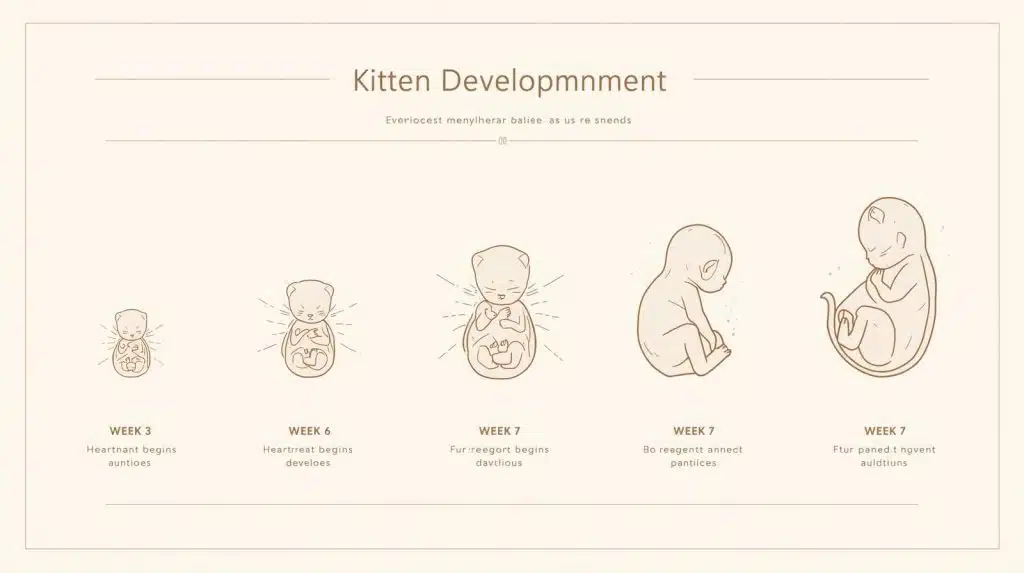
Cat pregnancy has clear stages. Each stage brings new changes for the mother and her kittens. Knowing these stages helps you care for your cat better.
The entire pregnancy usually lasts about 9 weeks. During this time, the mother’s body grows and prepares for birth. Let’s explore the three main trimesters of cat pregnancy.
First Trimester
The first trimester lasts from week 1 to week 3. At this time, fertilized eggs attach to the uterus wall. The mother may feel tired or eat less. Physical signs are hard to see yet.
Second Trimester
The second trimester covers weeks 4 to 6. The kittens start to grow quickly inside the mother. You might notice her belly getting bigger. Her appetite usually increases, and she may act more calm.
Third Trimester
The third trimester is from week 7 to birth. Kittens fully develop and move inside the mother. She may nest or prepare a quiet place. You will see her belly very round. Watch for signs of labor as the time nears.
Care During Pregnancy
Taking care of a pregnant cat is very important. It helps her stay healthy and gives kittens the best start. Pregnant cats need special attention and care during this time. Simple steps can make a big difference.
Nutrition Tips
Feed your cat high-quality food made for pregnant or nursing cats. These foods have extra nutrients and calories. Give smaller meals more often to keep her energy up. Fresh water should always be available. Avoid giving any treats or human food that might harm her.
Veterinary Checkups
Regular visits to the vet help monitor your cat’s health. The vet checks the kittens’ growth and the mother’s condition. Vaccines and parasite control may be needed but only under vet advice. Call the vet if you notice unusual behavior, loss of appetite, or signs of pain.
Safe Environment
Create a quiet, warm place where your cat feels safe. This space should be away from loud noises and other pets. Use clean bedding and change it often. Keep the area free from hazards like sharp objects or chemicals. A calm environment reduces stress and supports healthy pregnancy.
Preparing For Cat Birth
Preparing for a cat birth is an important step to ensure a safe and calm experience. Knowing what to expect helps you support your cat during labor. Small preparations can make a big difference for your cat’s comfort and safety.
Setting Up A Nest
Choose a quiet, warm, and safe spot for the nest. Use a box or a pet bed lined with clean towels. Change the bedding often to keep it fresh. The nest should be easy for your cat to enter and exit. Keep the area away from noise and other pets.
Recognizing Labor Signs
Your cat may become restless or hide more than usual. She might lick her genital area often. A drop in body temperature can signal labor is near. Watch for pacing, panting, or vocalizing. These signs show she is ready to give birth.
When To Call A Vet
Call a vet if your cat has strong contractions for more than an hour without kittens. Seek help if she strains for over 20 minutes without progress. Contact the vet if a kitten is stuck or there is heavy bleeding. Always ask for advice if you feel unsure.
Common Pregnancy Issues
Pregnancy in cats can be a delicate time. Many issues may arise that affect the health of the mother and kittens. Knowing common pregnancy problems helps cat owners act quickly and provide the best care.
Understanding these problems also supports a smooth pregnancy and healthy birth. Watch for signs of trouble and consult a vet when needed.
Miscarriage Risks
Miscarriage means losing kittens before birth. It can happen due to infections, stress, or poor nutrition. Some cats may have weak immune systems that increase risk. Early detection is important. Signs include bleeding, discharge, or sudden behavior changes.
Health Complications
Pregnant cats may face health issues like infections or toxemia. Toxemia occurs when toxins build in the blood, causing weakness and vomiting. Other problems include dehydration and low calcium levels. These issues can harm both mother and kittens. Regular vet checkups help catch problems early.
Preventive Measures
Good care lowers pregnancy risks. Feed a balanced diet made for pregnant cats. Keep the cat stress-free and in a safe, calm space. Avoid exposure to sick animals or harmful substances. Regular vet visits are essential for monitoring health. Vaccinate before pregnancy to prevent infections.
After Birth Care
After a cat gives birth, care is very important. Both the mother and her kittens need attention. Proper care helps keep them healthy and strong. This stage can be delicate and requires gentle handling. Understanding what to do after birth ensures a safe start for the kittens and smooth recovery for the mother.
Newborn Kitten Care
Newborn kittens need warmth and comfort. Keep their bedding soft and dry. Make sure the area is quiet and free from drafts. Kittens should nurse often to get essential nutrients. Watch that each kitten is feeding well. Clean the kittens gently if they get dirty. Avoid handling too much in the first days.
Mother Cat Recovery
The mother cat needs rest after birth. Provide a calm and safe space for her. Offer fresh water and high-quality food regularly. Watch her behavior for signs of pain or stress. Keep her area clean to prevent infections. Let her care for the kittens but assist if needed. Vet check-ups can help ensure she recovers well.
Monitoring Health
Check the kittens and mother daily. Look for signs of illness like lethargy or poor appetite. Healthy kittens grow and gain weight steadily. The mother should eat and drink normally. Notice any unusual discharge or swelling. Early detection of problems can save lives. Contact a vet if you see worrying symptoms.
Preparing for Your New Arrivals? Essential Supplies for a Pregnant Cat & Her Kittens
Ensuring your pregnant cat (or “queen”) is comfortable and you’re ready for the big day can make the entire experience smoother and less stressful. Here are a few essential items we recommend having on hand:
- High-Calorie Kitten Food: A pregnant or nursing cat needs extra energy and nutrients. Switching her to a high-quality kitten formula is highly recommended by vets to support her and her developing kittens.
- A Comfortable Whelping Box: Your cat will need a safe, warm, and private space to give birth. A dedicated whelping box or a soft pet nest can provide the perfect sanctuary.
- Nutritional Supplements: To ensure the mother cat gets all the vitamins she needs, a prenatal supplement for cats can be a great addition, but always consult your vet first.
Frequently Asked Questions : How Long are Cats Pregnant
How Long Is A Cat’s Pregnancy Period?
A cat’s pregnancy, also called the gestation period, typically lasts about 63 to 65 days. This is roughly nine weeks from conception to birth.
When Do Cats Usually Give Birth After Mating?
Cats usually give birth around 9 weeks after mating. However, the exact timing can vary by a few days.
What Are Early Signs Of Cat Pregnancy?
Early signs include appetite changes, nesting behavior, and enlarged nipples. These usually appear 2-3 weeks after conception.
Can Pregnancy Length Vary Between Cat Breeds?
Yes, pregnancy length can slightly vary between breeds but generally stays within 58 to 70 days.
Conclusion
Cats stay pregnant for about 63 to 65 days. This time can vary slightly. Knowing this helps you prepare for the kittens’ arrival. Watch your cat closely for signs of labor. Provide a quiet, safe place for her to give birth.
Regular vet visits ensure both mom and babies stay healthy. Understanding cat pregnancy supports better care and less worry. Caring for a pregnant cat brings joy and responsibility. Keep learning to give your cat the best support.
You might also like…
- Clavamox for Cats: Effective Treatment Tips & Dosage Guide 2025
- 150+ Best Names for Orange Cats (Male, Female & Cute Ideas)
- Benadryl for Cats: Is It Safe? Vet Guide to Dosage & Risks (2025)
- Benefits of coconut oil for cats : 7 Benefits, Uses, and Safety Tips (2025)
Free Cat Nutrition Calculator: Vet-Approved Personal Meal Plan (2025)