Introduction
A chubby cat might look cute and cuddly, but those extra pounds can carry serious health risks, from diabetes to arthritis. As responsible cat owners, one of our most important jobs is to keep our furry friends at a healthy weight. But in a fluffy, cuddly cat, how can you tell if they’re carrying a little extra weight or are genuinely overweight? It’s easier than you think, and you don’t need to be a vet to spot the warning signs.
In this guide, we’ll walk you through five clear, physical signs your cat is overweight. We’ll also provide a simple, actionable plan to help your beloved feline get back to a healthy and happy size.
The 3-Step “Feel and See” Home Exam
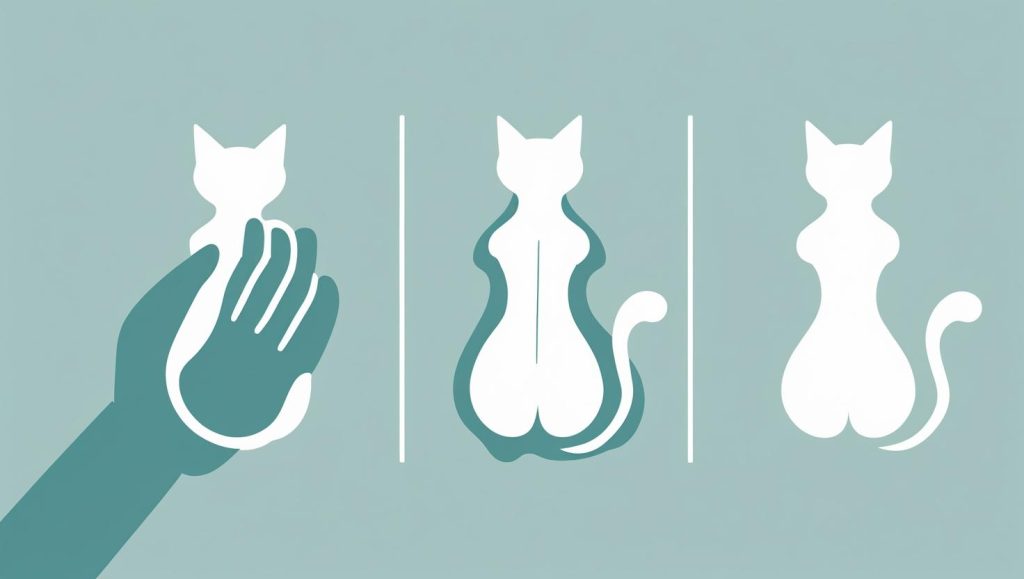
Before we get to the specific signs your cat is overweight, here’s a quick exam you can do right now.
- The Rib Check: Gently run your hands along your cat’s sides. You should be able to feel their ribs easily under a thin layer of fat, almost like feeling the back of your hand.
- The Overhead View: Look down at your cat from above while they are standing. You should see a noticeable, hourglass-like indentation or “waist” between their ribs and hips.
- The Side View: Look at your cat from the side. Their belly should tuck up from their rib cage towards their hind legs, not hang down low.
If you struggle with any of these checks, it’s a strong indicator that your cat might be overweight.
5 Key Signs Your Cat is Overweight
- You Can’t Feel Their Ribs or Spine
This is the most reliable sign. If you have to press hard to feel your cat’s ribs, or can’t feel them at all, it means there is too much fat covering them. An ideal-weight cat’s ribs feel like pencils under a soft blanket. An overweight cat’s ribs feel like they’re under a thick duvet. - The Missing Waistline
When you look at your cat from above, do they look more like a round loaf of bread or an oval? A healthy cat has a visible waist. If their body is straight or bulging outwards between the ribs and hips, it’s a clear sign of excess weight. - A Swinging or Sagging Belly Pouch
While all cats have a “primordial pouch” (a loose flap of skin on their belly), in an overweight cat, this pouch will be filled with fat and will swing noticeably when they walk. A low-hanging, round belly that doesn’t tuck up is a definite red flag. - Reduced Activity and Trouble Moving
Have you noticed your cat is less playful than they used to be? Do they hesitate before jumping onto the sofa or bed? Extra weight puts a huge strain on their joints, making movement difficult and even painful. They might also seem tired or lazy much of the time. - Poor Grooming Habits
Overweight cats often struggle to reach certain parts of their body, especially their lower back and tail area. You might notice their fur is matted, greasy, or flaky in these hard-to-reach spots because they physically can’t groom themselves properly.
Your Action Plan: How to Help Your Cat Lose Weight Safely
Helping your cat lose weight is a journey of love, and it starts with a clear, controlled plan. Guesswork won’t work. Here’s a simple, vet-approved action plan to get your furry friend back to a healthy weight.
Step 1: Know Their Exact Calorie Needs (Don’t Guess!)
Weight loss starts with one simple rule: burning more calories than they consume. But how many calories does your overweight cat actually need to lose weight safely? This is the most critical first step, and you need a precise number.
➡️ We’ve made this easy for you. Use our free, vet-approved Cat Nutrition Calculator. Select the “For Weight Loss” option in the status dropdown to get a personalized meal plan.
https://happycathaven.com/cat-nutrition-calculator/
Step 2: Choose the Right Food (Fuel, Not Fillers)
Once you know their calorie goal, you need the right fuel. A weight-loss diet for cats should be high in protein to maintain muscle and low in carbohydrates. Foods designed for sensitive stomachs are often excellent for weight management as they are highly digestible and made with quality ingredients, ensuring your cat gets the best nutrition from fewer calories.
➡️ Unsure which food to choose? We’ve reviewed the best options. Read our in-depth guide to the 5 Best Cat Foods for Sensitive Stomachs.
Step 3: Encourage Play and Activity
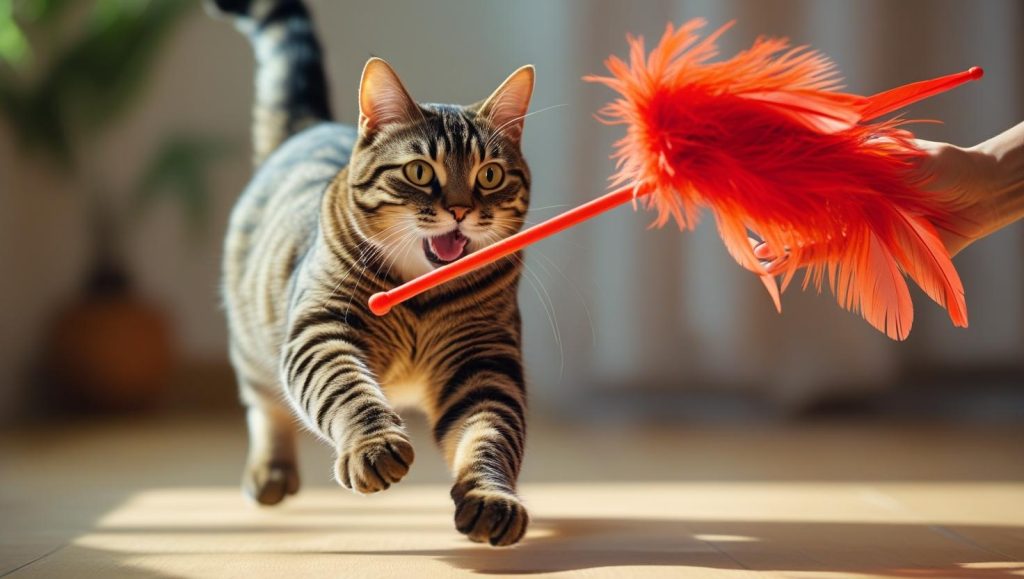
Diet is only half the battle. To burn those extra calories, you need to get your cat moving! Schedule 10-15 minutes of interactive playtime twice a day. This not only helps with weight loss but also prevents boredom and strengthens your bond.
Here are some toys that are incredibly effective for encouraging play:
- Feather Wands: A classic for a reason. The unpredictable movement of a good feather wand drives most cats wild and provides excellent exercise.
- Laser Pointers: An easy way to get your cat running and chasing. Just be sure to end the session by letting them “catch” a physical toy to avoid frustration.
- Puzzle Feeders: These are a fantastic way to make your cat work for their food. A puzzle feeder slows down their eating and engages their natural hunting instincts, providing both mental and physical stimulation.
Conclusion:
Spotting the signs your cat is overweight is the first step towards giving them a longer, healthier, and more vibrant life. By paying close attention to their body condition and taking controlled steps with their diet and exercise, you can help your best friend get back to their ideal weight.
Have you ever had to help a cat lose weight? Share your tips and experiences in the comments below!
Frequently Asked Questions (FAQ): Signs Your Cat is Overweight?
1. What should a healthy cat actually weigh?
There’s no single magic number, as a cat’s ideal weight truly depends on their breed, age, and individual body frame. While most domestic shorthair cats are healthy in the 8-10 pound (3.6-4.5 kg) range, the most accurate method is to focus on their Body Condition Score (BCS). Feeling for their ribs is a much better guide than just relying on the scale.
2. Is there a specific age when cats tend to gain weight?
Yes, cats often start gaining extra weight as they enter middle age, typically between 5 and 10 years old. This is a critical period because their metabolism often slows down, especially after being spayed or neutered, and their playful kitten energy naturally begins to fade.
3. Is playing more with my cat enough for weight loss?
Interactive playtime is absolutely essential for helping a cat lose weight—it burns calories, builds lean muscle, and is great for their mental health. However, exercise is only one piece of the puzzle. For truly effective and safe weight loss, this increased activity must be combined with a carefully controlled, vet-approved diet plan.
You might also like…
Rabies Vaccine for Cats: A Complete Guide for Worried Owners (2025)
Benadryl for Cats: Is It Safe? Vet Guide to Dosage & Risks (2025)