Introduction
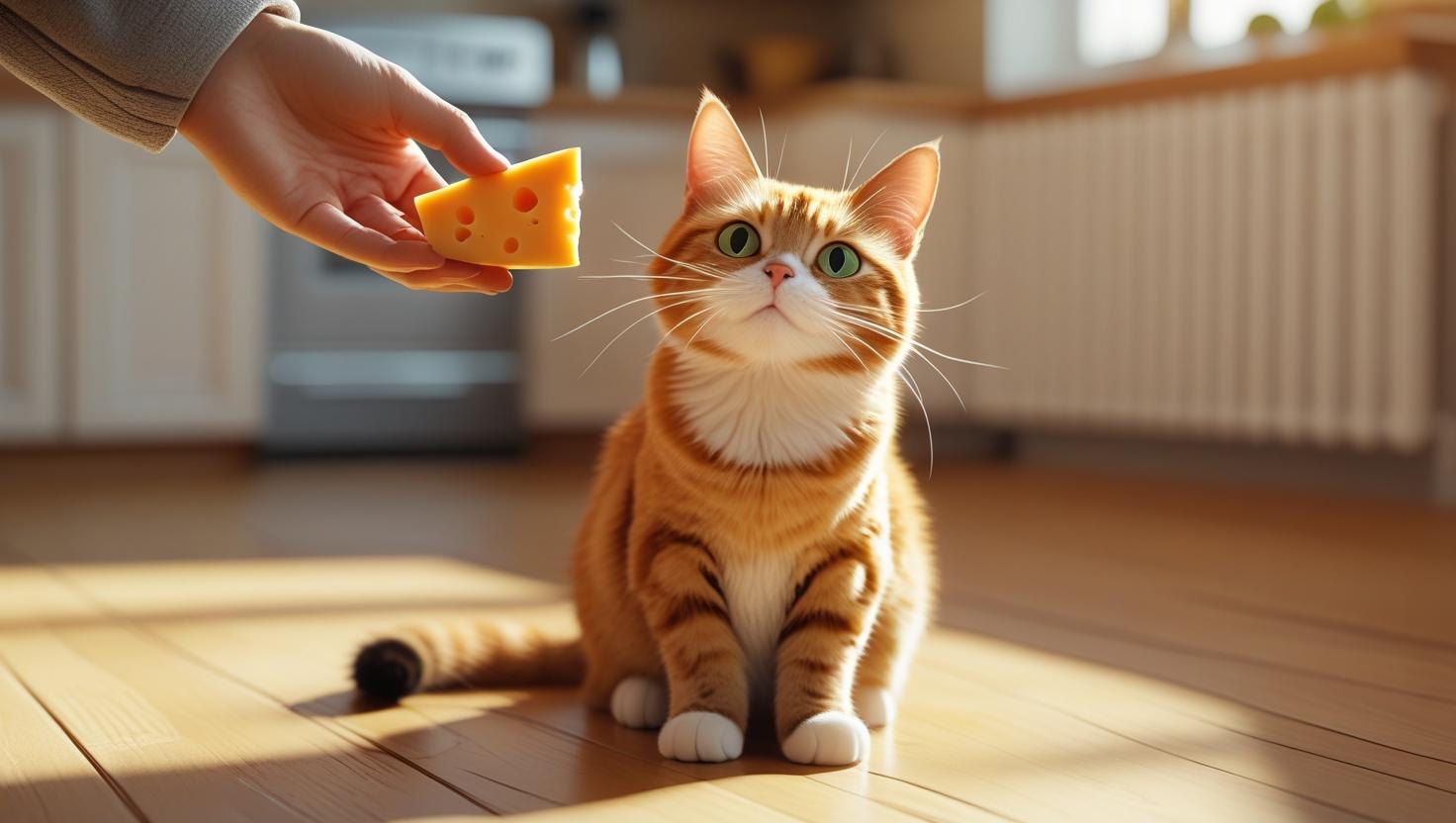
We’ve all been there. You’re relaxing on the couch with a nice slice of pizza or a few cheese crackers, and suddenly you feel a pair of big, hopeful eyes staring at you. Your furry friend is politely (or maybe not so politely) asking for a tiny piece. In that moment, a question pops into your head: Can cats eat cheese?
As a veterinarian with over 15 years of experience, I can tell you the short answer is: Yes, but it’s complicated, and it’s definitely not a good idea.
In this simple guide, I’ll walk you through exactly why cheese isn’t the healthy treat you might think it is. We’ll talk about what happens inside your cat’s tummy when they eat it, which types are more dangerous than others, and—most importantly—what you can give them instead to show your love without the worry.
The Real Reason Cheese Isn’t a Cat’s Best Friend
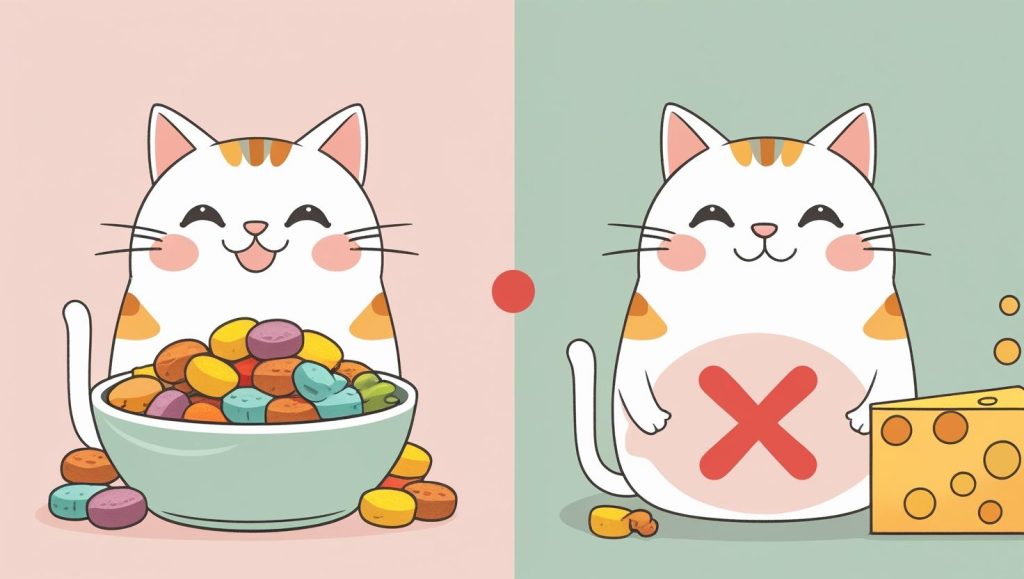
The image of a cat happily lapping up a bowl of milk is a classic cartoon myth. The truth is, most adult cats are lactose intolerant. Cheese, being a dairy product, is at the center of this problem.
The Big One: Most Cats Can’t Digest Dairy
When kittens are born, their bodies produce an enzyme called lactase, which helps them digest their mother’s milk. But as they grow into adult cats, they stop producing most of this enzyme. Without enough lactase, they can’t properly break down the lactose (the sugar in milk and cheese). This can lead to uncomfortable digestive issues like an upset stomach, gas, bloating, and diarrhea a few hours after eating it. In my practice, it’s one of the most common causes of sudden tummy troubles.
It’s a Calorie Bomb
Cats are small creatures, and their daily calorie needs are much lower than ours. For us, a small cube of cheddar cheese is a light snack. For a 10-pound cat, that same cube of cheese is like a human eating an entire hamburger in one go! Feeding your cat cheese regularly can easily lead to weight gain and obesity, which is a serious health risk linked to problems like diabetes and arthritis.
The Hidden Salt Problem
Cheese is often very high in salt, especially for a cat’s tiny body. A high-salt diet can be dangerous for cats, particularly if they have heart or kidney issues. It’s best to avoid giving them any processed human foods for this reason.
“Help! My Cat Just Stole Some Cheese!” What to Do
First of all, don’t panic. If your cat snuck a very small piece of cheese off your plate, they will most likely be fine. The biggest risk comes from large amounts or regular feeding.
Just keep a close eye on them for the next 8-12 hours. Look for these signs:
- Diarrhea
- Vomiting
- Acting tired or lethargic
- Stomach cramps (they might hide or not want to be touched)
If you see any of these signs, especially if they are severe, it’s always a good idea to call your vet. But for a tiny piece, you probably have nothing to worry about.
Are Some Cheeses a “Better” Bad Decision?
While I don’t recommend any cheese, some are technically less risky than others if your cat accidentally eats some.
-
The “Less Bad” Options: Hard cheeses like cheddar, swiss, or parmesan generally have less lactose than soft cheeses. So, a tiny crumb of cheddar is less likely to cause a stomach ache than a lick of cream cheese.
-
The “Absolutely Not” List: You should NEVER let your cat eat blue cheese (the mold can be toxic to cats) or any cheese that has added ingredients like garlic, onions, or chives. These ingredients are very toxic to cats and can cause serious health problems.
What to Give Them Instead (The Healthy Treat Strategy)
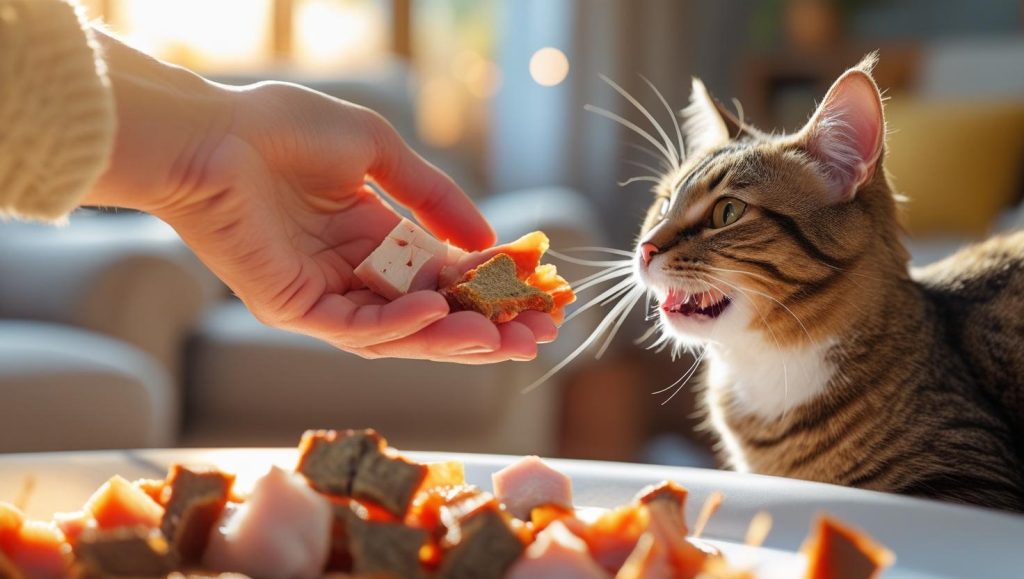
This is actually my favorite part, because showing our cats we love them with treats should be fun, not stressful! Instead of giving them a food that could make them sick, why not give them something they will love even more and is actually good for them?
Giving your cat a special, meat-based treat designed for felines is the perfect alternative. They are made to be easily digestible and provide nutrients that your cat actually needs.
If you’re looking for a safe and delicious way to spoil your cat, I highly recommend checking out our guide.
Check out our guide to The Best Healthy Cat Treats Your Feline Will Go Crazy For.
According to a study by the VCA Hospitals , most adult cats lack the enzyme to digest lactose properly.
Conclusion: My Final Thought as Your Vet
So, can cats have cheese? While a tiny piece of hard cheese on a rare occasion might not cause harm, it provides zero nutritional benefit and comes with real risks.
Your cat looks at you with love and trust. The best way to return that love is by giving them treats that are made for their bodies. Stick to high-quality cat treats, and you can share those special moments without any of the worry. So, the final verdict on can cats eat cheese is to be cautious and prioritize their health.
Now, I’d love to hear from you! Does your cat have a favorite (and safe) treat? Share it in the comments below!
Frequently Asked Questions (FAQ)
1. How much cheese is safe for a cat?
As a general rule, it’s best to avoid it altogether. However, if you must give in, a piece smaller than your pinky fingernail on a very rare occasion is unlikely to cause serious harm to a healthy cat. Think of it as a once-a-month tiny treat, not a regular snack.
2. Can kittens eat cheese?
While kittens produce more lactase than adult cats, their digestive systems are still very sensitive. Giving them cheese can easily cause an upset stomach and diarrhea, which can be more dangerous for a small kitten. It’s best to stick to a high-quality kitten food and avoid human foods entirely.
3. My cat seems to love cheese. Why do they like it?
Cats are often attracted to the high fat and protein content in cheese. The strong smell can also be very appealing to them. Just because they like it doesn’t mean it’s good for them—just like humans might love candy, but it isn’t a healthy food choice!
You might also like…
- Clavamox for Cats: Effective Treatment Tips & Dosage Guide 2025
- How to Litter Train a Kitten in 5 Simple Steps (Fast & Easy)
- 150+ Best Names for Orange Cats (Male, Female & Cute Ideas)
- Benadryl for Cats: Is It Safe? Vet Guide to Dosage & Risks (2025)
Free Cat Nutrition Calculator: Vet-Approved Personal Meal Plan (2025)