
Many people see cats as relaxed, independent pets. But under that calm surface, cats can feel stressed and anxious just like humans. Cat anxiety is not always easy to spot. Cats often hide their feelings, and their signs of anxiety can be subtle or misunderstood.
If you live with a cat, knowing how to recognize anxiety symptoms is essential. It helps you support your pet’s well-being and avoid bigger behavioral or health problems.
Cat anxiety can appear for many reasons. Some cats are naturally shy, while others become anxious because of changes at home, loud noises, or even health issues. Ignoring anxiety symptoms can lead to long-term problems—like aggression, hiding, or even sickness.
This guide will help you understand what cat anxiety looks like, why it happens, and what you can do about it. You’ll learn both common and surprising symptoms, practical ways to help, and when it’s time to contact a vet.
If you want your cat to be happy and healthy, learning about anxiety is one of the best things you can do.
What Is Cat Anxiety?
.
“As cat parents, we love seeing our furry friends relaxed, happy, and purring on our laps. But sometimes, their world can feel overwhelming. I’ll never forget the first time my curious tabby, Leo, experienced a heavy thunderstorm. Instead of his usual playful self, he darted under the bed, trembling, with his ears pinned back and tail tucked tightly between his legs. No amount of coaxing or his favorite treats could get him out for hours. Seeing him so terrified broke my heart and made me ask myself: what is cat anxiety, and how can I help him?
Just like humans, cats can experience intense stress and fear that disrupt their daily lives. It’s not just a temporary scare; it can be a serious issue if left unaddressed. Understanding this condition is the very first step to helping your feline friend feel safe again. In this article, we’ll explore the common signs, unexpected triggers, and practical solutions to calm an anxious cat.”
Types Of Cat Anxiety
There are three main types:
- Situational anxiety: Triggered by specific events, like a car ride or vet visit.
- Generalized anxiety: Ongoing, with no clear cause.
- Separation anxiety: Happens when the cat is left alone or separated from their person.
Each type can show different symptoms, but there’s a lot of overlap.
Why Understanding Anxiety Matters
If left untreated, anxiety can lead to:
- Aggression or biting
- Over-grooming or hair loss
- Urinating outside the litter box
- Loss of trust between you and your cat
Recognizing symptoms early means you can help your cat feel safe before things get worse.
Common Cat Anxiety Symptoms
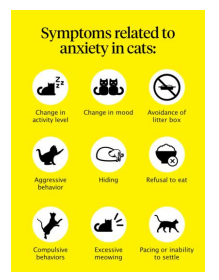
Cats rarely show anxiety in obvious ways. They hide stress to protect themselves—just as wild cats do. But if you watch closely, you can spot the signs.
1. Hiding More Than Usual
Cats love to nap in quiet spots, but constant hiding is different. If your cat spends most of the day under beds, inside closets, or behind furniture, they may feel anxious.
- Example: A usually social cat who suddenly avoids everyone could be stressed by a new pet or visitor.
2. Changes In Appetite
Anxious cats often eat less or skip meals. Some may eat more, but loss of appetite is more common.
- Warning sign: A cat that stops eating for more than 24 hours needs urgent attention.
3. Excessive Grooming
Licking is normal, but over-grooming (especially to the point of bald spots or sores) is a red flag.
- Non-obvious insight: Sometimes cats groom to comfort themselves, but it can turn into a repetitive habit.
4. Aggression
Anxious cats may bite, scratch, or hiss—even towards people they love. This is usually defensive, not out of anger.
- Tip: Punishing aggression often makes anxiety worse. Try to find the cause instead.
5. Litter Box Issues
Cats with anxiety might urinate or defecate outside the litter box. This is one of the top reasons cats are given up to shelters.
- Example: Peeing on the bed after a move is often a sign of stress, not bad behavior.
6. Vocalization
Loud meowing, yowling, or crying can be a symptom, especially if it’s new or happens when the cat is alone.
- Fact: Older cats with anxiety may also develop night-time yowling.
7. Restlessness Or Hyperactivity
Some anxious cats can’t relax. They pace, dart, or act jumpy. This can look like extra energy, but it’s actually nervousness.
8. Destructive Behavior
Chewing, scratching, or knocking over objects can be a way for cats to express anxiety.
- Example: Shredding the couch when left alone may signal separation anxiety.
9. Trembling Or Shaking
Not all cats shake when scared, but some will tremble during storms, fireworks, or stressful events.
10. Changes In Sleeping Patterns
A stressed cat may sleep much more or much less than usual. Watch for changes in your cat’s daily routine.
11. Excessive Shedding
Stress can trigger hair loss, even if the cat isn’t over-grooming.
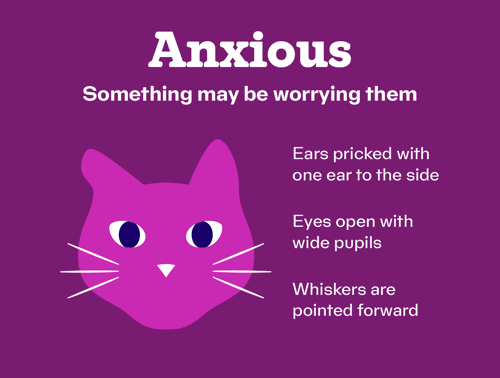
12. Dilated Pupils Or Flattened Ears
These are body language signs. Wide eyes, flattened ears, a tucked tail, or crouching are all ways cats show they feel unsafe.
13. Clinginess Or Hiding
Some cats become extra needy—following you everywhere—while others disappear.
14. Vomiting Or Diarrhea
Stress can upset the stomach. If your cat has tummy troubles and you’ve ruled out other causes, anxiety may be to blame.
15. Loss Of Interest
A cat who stops playing or ignores toys may feel too anxious to enjoy activities.
16. Increased Startle Response
Anxious cats jump or flinch at small noises or movements.
17. Self-harm
Rare, but some cats will bite or scratch themselves until they bleed due to severe anxiety.
Less Obvious Symptoms Of Cat Anxiety
Sometimes, anxiety doesn’t look dramatic. Here are some less obvious signs even experienced owners can miss.
Subtle Behavior Changes
- Avoiding eye contact
- Moving slowly or freezing in place
- Grooming only certain body parts repeatedly
Unusual Litter Habits
- Scratching outside the box instead of inside
- Spending longer than usual in the litter box
Over-attachment
- Waiting by the door for hours
- Crying when you leave the room
Sudden Fear Of Routine Things
- Hiding from a family member they used to love
- Refusing to use a favorite perch or bed
What Causes Cat Anxiety?
Understanding what triggers anxiety helps you prevent and manage it. Some causes are obvious, but others are hidden.
1. Changes In The Environment
Cats are sensitive to change. Moving house, new furniture, or a new roommate can cause anxiety.
2. Loss Or Addition Of Family Members
Cats notice when people or animals leave or join the household.
- Example: A new baby or the death of a pet can be stressful.
3. Loud Noises
Thunder, fireworks, or even construction noise can frighten cats.
4. Separation From Owners
Some cats develop separation anxiety and panic when left alone.
5. Past Trauma
Rescue cats or those with a difficult past may be more anxious.
6. Lack Of Stimulation
Boredom can turn into anxiety if your cat doesn’t have toys, scratching posts, or things to do.
7. Medical Issues
Pain, illness, or even age-related changes can make cats anxious.
8. Poor Socialization
Kittens who don’t meet enough people or animals early on may be more nervous as adults.

Credit: www.pawmaw.com
How To Tell If It’s Anxiety Or Something Else
Many cat anxiety symptoms overlap with other health problems. For example, peeing outside the litter box might mean a urinary infection, not just stress. It’s important to rule out medical issues first.
Here’s a simple comparison to help you decide:
| Symptom | Likely Anxiety | Possible Medical Cause |
|---|---|---|
| Hiding | After changes at home | Pain, illness, injury |
| Litter box issues | After stressful event | UTI, kidney disease |
| Excessive grooming | After new pet arrives | Fleas, skin disease |
| Loss of appetite | After moving house | Dental pain, internal illness |
If you’re not sure, always check with your vet.
Diagnosing Cat Anxiety
Vets diagnose anxiety by:
- Taking a full history (recent changes, environment, relationships)
- Physical exam to rule out illness
- Sometimes, blood or urine tests
- Watching your cat’s behavior
There’s no single test for anxiety, so your vet will rely on your observations. Keeping a diary of symptoms helps.
Credit: clydevet.com.au
Cat Breeds More Prone To Anxiety
Some cats are more likely to develop anxiety, either from genetics or breed personality. Here’s a quick overview:
| Breed | Anxiety Risk | Common Triggers |
|---|---|---|
| Siamese | High | Separation, boredom |
| Burmese | Medium | Loud noises |
| Oriental Shorthair | High | Loneliness |
| Russian Blue | Medium | Strangers |
| Ragdoll | Medium | Household changes |
Remember, any cat can develop anxiety—breed is just one factor.
Practical Ways To Help Anxious Cats
If you spot anxiety symptoms, you can help your cat feel safe and secure. Here’s what works best:
1. Create A Safe Space
Give your cat a quiet, private spot where they can hide without being disturbed. A covered bed, a box with a blanket, or a tall cat tree helps.
2. Keep Routine Consistent
Feed, play, and clean the litter box at the same times each day. Cats love predictable schedules.
3. Use Calming Products
There are sprays and diffusers that release cat pheromones. These can help reduce anxiety, especially during stressful events.
4. Play And Enrichment
Play with your cat daily. Use toys that mimic hunting, like feather wands or laser pointers. Scratching posts and puzzle feeders keep minds busy.
5. Provide Hiding Places
Don’t force your cat out of hiding. Make sure they have safe spots in every room.
6. Gradual Exposure
Introduce new things slowly. If you get a new pet, let your cat meet them through a door first.
7. Stay Calm
Cats can sense your mood. Stay calm and quiet around a stressed cat.
8. Try Soothing Sounds
Soft music or white noise can help block scary sounds, especially during storms.
9. Use Treats To Build Confidence
Give treats when your cat explores new things or acts bravely.
10. Seek Professional Help
If symptoms are severe or last more than a few weeks, talk to your vet. They may suggest a behaviorist or medication.
Mistakes To Avoid When Dealing With Cat Anxiety
Many owners accidentally make anxiety worse. Here’s what to avoid:
- Punishing anxious behavior: This increases fear and damages trust.
- Ignoring subtle signs: Early symptoms are easier to treat.
- Moving too fast: Don’t rush introductions to new pets or changes.
- Using strong-smelling cleaners: Cats are sensitive to smell; harsh chemicals can add stress.
- Leaving cats alone too long: Some independence is good, but lonely cats get anxious.
When To Call The Vet
Some anxiety symptoms can also mean a medical emergency. Contact your vet if:
- Your cat stops eating or drinking for more than 24 hours
- There’s blood in urine or stool
- You see hairless patches, wounds, or sores
- Aggression becomes dangerous
- The cat’s behavior changes suddenly and severely
If anxiety is mild and linked to a clear event (like a house move), you can try home solutions first. But if you’re unsure, a vet visit is always safest.
Myths About Cat Anxiety
There are many misunderstandings about cat behavior. Let’s clear up the most common myths:
Myth 1: “only Nervous Cats Get Anxious.”
Fact: Any cat can develop anxiety from new experiences, trauma, or changes.
Myth 2: “anxiety Is Just Bad Behavior.”
Fact: Anxiety is not a choice. It’s a real emotional and physical state.
Myth 3: “cats Will Get Over It On Their Own.”
Fact: Some cats need help to recover. Ignoring anxiety can lead to bigger problems.
Myth 4: “you Can Train Anxiety Out Of A Cat With Discipline.”
Fact: Discipline increases fear. Kindness and patience work better.
Myth 5: “medication Is Always Needed.”
Fact: Many cats improve with home changes, though some need extra help.
Cat Anxiety And The Human-animal Bond
Cats with anxiety often pull away from their owners, but this doesn’t mean they don’t love you. In fact, anxious cats may need you more than ever. Patience, understanding, and gentle support can rebuild trust. Spending time with your cat, even just sitting in the same room, helps them feel safe.
Many owners feel frustrated by anxiety symptoms. Remember, your cat isn’t trying to upset you. They’re showing you they need help in the only way they know how.
Preventing Cat Anxiety
Prevention is easier than cure. Here’s how you can reduce anxiety risks:
- Socialize kittens early with people, pets, and new experiences.
- Keep changes slow and gentle. Give warning before guests arrive or you move furniture.
- Use calming sprays before stressful events, like holidays.
- Give every cat their own resources: Litter box, food bowl, water, and bed.
- Play daily and offer new toys or scratching posts often.
Long-term Outlook For Anxious Cats
With the right support, most anxious cats improve. Early intervention makes a big difference. Some cats need lifelong management, but many can return to a happy, playful life. If your cat needs medication, this is not a failure—it’s just another tool to help them feel safe.
Credit: www.cats.org.uk
Real-life Example: Case Study
Milo, a three-year-old tabby, began hiding and urinating outside the litter box after his owners brought home a new puppy. The family thought Milo was acting out. But after talking with their vet, they realized he was anxious. They gave Milo his own room with food, water, and a pheromone diffuser.
They reintroduced him to the puppy slowly and spent extra time playing with him. Within two weeks, Milo started using the litter box again and came out of hiding. This example shows the value of patience and understanding.
Cat Anxiety And Medical Treatments
Some cats need medical help for anxiety. Vets may suggest:
- Short-term medications during big changes (like moving)
- Long-term anxiety meds for severe, ongoing cases
- Supplements like L-theanine or tryptophan
Medication is not the first step, but it can make a big difference when used with behavior changes.
Home Remedies And Natural Options
Some owners try natural remedies, such as:
- Feliway diffusers (synthetic pheromones)
- Herbal supplements (check with your vet first)
- Calming collars
Always test new products slowly, and watch for side effects.
How Anxiety Affects Cat Health
Anxiety doesn’t just change behavior. It can:
- Lower the immune system, making cats more likely to get sick
- Cause weight loss or gain
- Lead to chronic illnesses if stress continues
- Reduce quality of life
Managing anxiety is about both mental and physical health.
Supporting Anxious Cats In Multi-cat Homes
If you have several cats, anxiety can spread. Cats may fight, hide, or stop eating. The key is to:
- Give every cat their own resources (litter boxes, bowls, beds)
- Watch for bullying or resource guarding
- Use calming products in shared spaces
Introducing new cats slowly and giving everyone private time helps.
Cat Anxiety In Older Cats
Senior cats can develop anxiety as they lose senses, get sick, or feel pain. Night-time yowling, confusion, and litter box issues are common. Make their environment safer (easy access to food, water, litter) and talk to your vet about age-related anxiety.
Cat Anxiety And Travel
Travel, whether by car or plane, can be very stressful for cats. Minimize anxiety by:
- Using a familiar carrier with their blanket
- Covering the carrier to reduce visual stress
- Keeping trips short when possible
- Using pheromone sprays or natural remedies before travel
Cat Anxiety And New Babies
Babies bring new smells, sounds, and routines. Prepare your cat by:
- Letting them explore baby items before the baby arrives
- Playing baby sounds quietly to get them used to new noises
- Keeping some routines the same
Patience is key—never force interactions.
Key Takeaways
- Cat anxiety is common but often missed.
- Watch for both obvious and subtle symptoms.
- Early action and understanding make a big difference.
- Work with your vet to rule out medical problems.
- Patience, consistency, and kindness are your best tools.
For more in-depth information, you can visit this ASPCA guide to cat anxiety.
Frequently Asked Questions
What Are The First Signs Of Anxiety In Cats?
Early signs include hiding, loss of interest in play, changes in eating, and more vocalizing than usual. Some cats become clingy or start avoiding people. Always look for changes in routine behavior.
Can Cats Develop Anxiety Later In Life?
Yes, even confident cats can develop anxiety as adults or seniors, especially after major changes, illness, or trauma. Health problems like pain or loss of senses can trigger anxiety in older cats.
How Long Does Cat Anxiety Last?
It depends on the cause. Some anxiety is short-term (like after a move) and improves in days to weeks. Other cases (like separation anxiety or after trauma) can last months or be lifelong without treatment.
Should I Use Medication For My Cat’s Anxiety?
Medication can help, especially for severe or long-term anxiety. But always try to use environmental changes and behavior support first. Only use medicine under your vet’s guidance.
Can I Prevent My Cat From Developing Anxiety?
You can lower the risk by socializing kittens early, keeping routines stable, and making changes slowly. Offer plenty of play, safe spaces, and positive experiences from a young age.
Understanding and acting on cat anxiety symptoms is one of the best ways to support your cat’s happiness and health. With the right approach, most cats can overcome anxiety and enjoy a loving, comfortable life by your side.
You might also like…
- Cat Spraying Vs Peeing: Key Differences Every Owner Must Know
- Clavamox for Cats: Effective Treatment Tips & Dosage Guide 2026
- Free Cat Nutrition Calculator: Vet-Approved Personal Meal Plan (2026)
- Benadryl for Cats: Is It Safe? Vet Guide to Dosage & Risks (2026)
- 150+ Best Names for Orange Cats (Male, Female & Cute Ideas)