
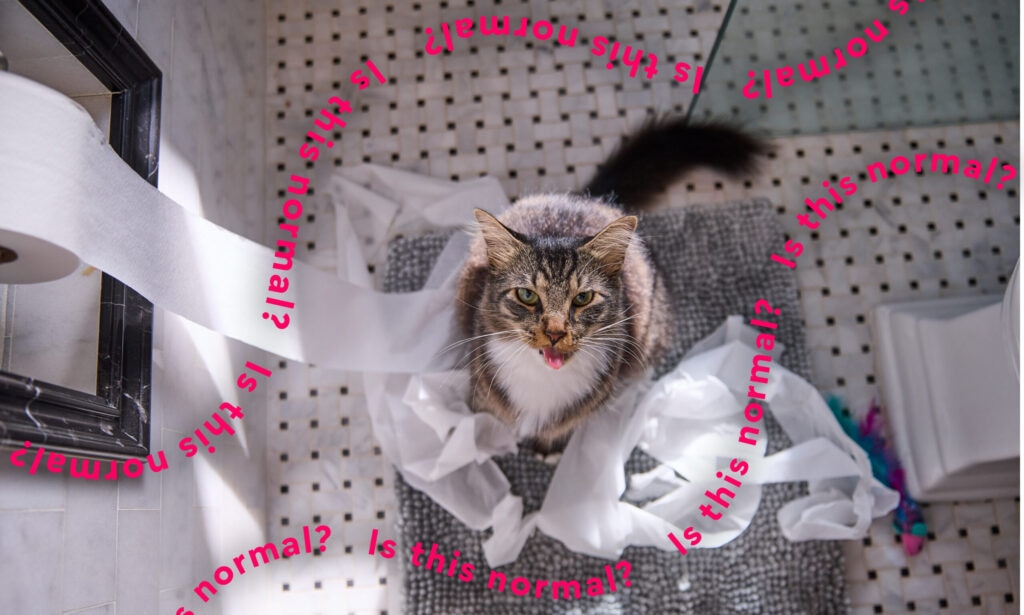
Many of us cat parents have experienced this slightly awkward but completely relatable moment: you quietly slip into the bathroom, shut the door, and almost instantly, you hear it—the scratching, the meowing, or the sight of a little paw reaching under the door. Just the other day, I tried to take a quick, peaceful shower. But my curious tabby, Leo, had other plans. He waited outside the door, protesting loudly until I let him in, and then he simply curled up on the bath mat as if it were the most normal thing in the world!
While this behavior might seem a bit odd or just plain amusing to us, it’s actually a very common feline habit. If you have ever wondered why cats follow you to bathroom, the answer is a fascinating mix of instinct, psychology, and the deep bond they share with us. Understanding this quirky behavior reveals so much about how our cats think and how we can strengthen our relationship with them. In this article, we’re going to explore the surprising reasons behind your furry little bathroom stalker.
The Nature Of Cats: Curiosity And Territory
Cats are naturally curious animals. This curiosity is not just a stereotype—it’s rooted in their evolution. In the wild, cats need to know everything that is happening in their territory. Every movement, sound, or change could signal a new opportunity or a threat.
When you go to the bathroom, your cat may see this as a big event. The bathroom door closes, you disappear for a few minutes, and strange sounds come from inside. For a cat, this is a mystery that needs solving.
Cats are not just curious about the bathroom itself—they are curious about you and what you do.
A closed door can be a major trigger. In a cat’s mind, the closed door means they are missing out. Cats like to keep an eye on their territory, and a closed bathroom door is a part of their territory that is suddenly off-limits.
This makes the bathroom—and your activities inside—seem even more interesting.
Attachment And Social Bonds
Unlike dogs, cats are often seen as independent animals. However, research shows that cats can form strong bonds with their owners. Some cats even show signs of separation anxiety.
When you go to the bathroom, your cat may simply want to stay close to you. This is especially true in households where the cat is the only pet and spends most of its time with humans. Your cat might see you as a source of comfort, food, and entertainment.
Following you is a way to maintain that close connection.
Some cats show their attachment by rubbing against you, sitting on your lap, or following you from room to room. For these cats, the bathroom is just another place to be near you. They might even wait outside the door, meowing or pawing, because they don’t want to be separated from you—not even for a short time.
Bathrooms: The Cat’s Wonderland
The bathroom is full of interesting smells and textures. There are towels, rugs, water, and sometimes even drops of soap or shampoo. Many cats love the cool, smooth surface of tiles and sinks. They may also enjoy the sound of running water or be attracted to the smell of cleaning products (which can be dangerous, so always keep them out of reach).
Bathrooms can also be warm and cozy, especially if there is a sunbeam coming through the window or a warm spot on the floor. Some cats enjoy sitting in the sink or bathtub, where the curved shape feels safe and protected.
Here is a comparison of features that might attract cats to the bathroom versus other rooms:
| Feature | Bathroom | Other Rooms |
|---|---|---|
| Smooth surfaces | Yes (tiles, sinks, tubs) | Rare |
| Running water | Faucet, shower | Kitchen, less frequent |
| Closed door | Common | Less common |
| Soft towels/rugs | Often present | Sometimes |
| Sunbeam spots | Possible | Possible |
Routine And Predictability
Cats are creatures of habit. They love routine and notice even the smallest changes in your daily schedule. If you go to the bathroom at the same time every day, your cat may start to expect it. They might even try to get there first and wait for you.
This behavior is similar to how some cats know when it’s time for their meal or when you are about to leave the house. They link your actions to events that matter to them—like food, play, or attention. The bathroom trip becomes a small but important part of the daily routine.
Some cats use this time to ask for attention. If you often pet your cat or talk to them while in the bathroom, they will remember this and may follow you every time. Over time, this can become a habit for both you and your cat.
Safety And Instinct
In the wild, cats are both hunters and prey. This means they are always alert for danger, especially when they are in a vulnerable position. Going to the bathroom is a private activity—for both humans and cats.
Your cat may see your bathroom trip as a vulnerable moment. They might want to protect you or just make sure you are safe. This is more common in cats that are very bonded with their owners or that have a protective personality.
On the other hand, some cats feel safer when they are with you. They might be nervous when you close the door, so they follow you to feel secure. This is especially true in multi-pet homes, where a cat may want to avoid other pets or just find a quiet place with you.
Separation Anxiety And Attention-seeking
Some cats develop separation anxiety. This means they become stressed or upset when left alone, even for a short time. Signs of separation anxiety include following you everywhere, meowing loudly, scratching at doors, or acting out when you leave.
If your cat has separation anxiety, they may follow you to the bathroom because they don’t want to be left alone. They might feel anxious when you close the door and can’t see or hear you.
Attention-seeking is a little different. Some cats follow their owners because they want to play, be petted, or get a treat. They quickly learn that following you to the bathroom gets a reaction—whether it’s talking, petting, or even just opening the door.
It’s important to know the difference. If your cat seems relaxed and happy, they probably just want your company. If they seem stressed, they may need more comfort or training to feel safe when alone.
The Closed Door Effect
Many cat owners notice that their cats are more interested in the bathroom when the door is closed. This is known as the Closed Door Effect. Cats do not like being left out of any part of their territory, and a closed door is a clear barrier.
A closed door creates mystery and makes the bathroom seem more important. Some cats will even sit outside the door and wait patiently until you come out. Others will meow, scratch, or try to push the door open.
Here’s a look at how cats respond to closed doors compared to open ones:
| Situation | Cat’s Common Reaction |
|---|---|
| Bathroom door open | May enter, explore, or ignore |
| Bathroom door closed | Wait outside, meow, scratch, or paw at door |
| Owner inside with door closed | Increased interest, vocalizing, waiting for owner |
The Closed Door Effect is not only about curiosity. It’s also about control. Cats like to have access to every part of their territory. When a door is closed, they lose that control, which can be frustrating.
Play, Exploration, And Hidden Dangers
Many cats see the bathroom as a playground. There are towels to climb, rugs to scratch, and sometimes even toilet paper to unroll. For kittens or playful cats, the bathroom is full of new and exciting things.
However, the bathroom can also be dangerous for cats. Cleaning products, open toilets, and sharp objects like razors or scissors can be a risk. It’s important to keep dangerous items out of reach and always close the toilet lid to prevent accidents.
Some cats are attracted to running water and may try to drink from the sink or bathtub. While this can be harmless, watch out for slippery surfaces or the risk of falling.
Here are some common bathroom dangers for cats:
- Cleaning products (toxic if swallowed)
- Open toilet (risk of falling in)
- Sharp objects (scissors, razors)
- Small items (hair ties, cotton swabs)
- Hot hair tools (straighteners, curling irons)
If your cat likes to follow you to the bathroom, make sure the space is safe for them.
Communication And Cat Psychology
Cats communicate in many ways. Following you to the bathroom is one way they show interest or affection. For some cats, it’s also a way to ask for something—food, play, or attention.
Cats use their body language, voice, and actions to communicate. If your cat meows outside the bathroom door, they may be asking for you to let them in or just letting you know they are there.
Some owners notice that their cats will sit and stare while they are in the bathroom. This can feel strange, but it’s usually a sign of trust. In the wild, animals are most vulnerable when going to the bathroom. If your cat sits with you, it means they feel safe with you and want to keep you company.
Cats are also very sensitive to human emotions. If you are stressed or upset, your cat may follow you more closely. This is their way of offering comfort or checking that you are okay.
The Role Of Scent In Cat Behavior
Cats have a very strong sense of smell. They use scent to mark their territory and recognize family members. Bathrooms are full of interesting smells—soap, shampoo, towels, and, of course, your own scent.
When you go to the bathroom, you leave behind a lot of your scent. Your cat may follow you to rub against your legs or sit in your spot, spreading their own scent and mixing it with yours. This is a way of marking you as part of their territory and family.
Some cats will also rub their face or body on bathroom objects. This is called bunting and is a sign of affection and ownership. By mixing their scent with yours, your cat is strengthening the bond between you.
Credit: www.chewy.com
Cats And Running Water
Many cats are fascinated by running water. You might notice your cat jumping onto the sink or trying to drink from the faucet while you wash your hands. Some studies suggest that cats prefer running water because it seems fresher and safer than still water in a bowl.
This interest in water can be another reason why your cat follows you to the bathroom. The sound of water can attract their attention, and they may want to watch or play. It’s important to know that not all cats like water—some are afraid of it.
But for those who do, the bathroom can be an exciting place.
Here’s a look at how common water-related behaviors are in cats:
| Behavior | Percentage of Cats Displaying |
|---|---|
| Drinking from faucet | ~30% |
| Playing with water | ~20% |
| Avoiding water completely | ~50% |
If your cat is interested in water, consider getting a pet water fountain. This can encourage them to drink more and stay healthy.
Privacy: Human Vs. Cat Perspective
Humans value privacy, especially in the bathroom. For cats, privacy is not the same. In fact, cats often do their business in a litter box out in the open, without any concern for privacy.
Your cat may not understand why you want to be alone in the bathroom. They see the bathroom as just another room in the house. If you close the door, they may think you are hiding something or that you need company.
This difference in perspective can be funny or even frustrating, but it’s part of living with a cat. Understanding your cat’s view can help you be more patient and find ways to balance your privacy with their need for company.

Credit: www.youtube.com
Should You Let Your Cat Follow You?
There is no right or wrong answer to this question. For most cats, following you to the bathroom is harmless. It’s a sign of affection, curiosity, or routine. If you don’t mind the company, there’s no reason to stop them.
However, if your cat shows signs of anxiety or becomes aggressive when separated, it’s important to help them feel more secure. You can do this by giving them a cozy spot near the bathroom or by leaving the door open a little bit.
If you prefer privacy, try distracting your cat with a toy or treat before you go to the bathroom. Over time, they may learn to stay in another room.
Remember, every cat is different. Some cats are very attached to their owners, while others are more independent. The key is to understand your cat’s personality and needs.
How To Manage Or Change The Behavior
If your cat’s bathroom visits are a problem, there are ways to manage or change the behavior:
- Ignore the behavior: If you stop giving your cat attention when they follow you, they may lose interest over time.
- Close the door firmly: If your cat scratches or meows, wait until they stop before opening the door. This teaches them that making noise won’t get them what they want.
- Give alternative activities: Leave toys, scratching posts, or treats in another room to keep your cat busy while you are in the bathroom.
- Reward independence: When your cat stays in another room, reward them with a treat or praise.
- Create a comfortable space: Make a cozy spot near the bathroom so your cat can be close without coming inside.
Changing a cat’s behavior takes time and patience. Be consistent, and avoid punishing your cat, as this can make the problem worse.
Surprising Insights Most Owners Miss
While the reasons above cover most of the behavior, there are some less obvious insights that even experienced owners might miss:
- Cats may use the bathroom as a hiding spot. If your cat feels stressed by loud noises, visitors, or other pets, they may follow you to the bathroom for safety. Your presence makes them feel more secure.
- The bathroom may be a ‘neutral zone’. In homes with more than one cat, the bathroom is often not claimed by any cat as their territory. This makes it a peaceful spot, especially if there is tension between cats elsewhere in the house.
- Your cat may be mirroring your behavior. Cats learn by watching and copying. If you have ever watched your cat use the litter box and praised them, they may be trying to copy your bathroom routine.
- Closed doors can trigger past trauma. If your cat was once locked in a room or separated from family, a closed bathroom door can bring back old fears. This is more common in rescue or shelter cats.
What Science Says About Cat-human Interaction
Studies show that cats are more social and aware than many people realize. According to research published by Oregon State University, cats can form secure attachments to their owners similar to those seen in dogs and even infants. In experiments, when owners left the room and returned, over 65% of cats showed signs of secure attachment—coming closer, rubbing, or staying near their human.
This research helps explain why cats follow their owners, not just to the bathroom but everywhere. Cats want to be near the people they trust and depend on.
For more details on cat behavior research, you can visit this Wikipedia article on cat behavior.
Practical Tips For Cat Owners
If your cat is anything like Leo and insists on being your constant bathroom companion, here are a few real-world tips to make things easier (and safer!) for both of you:
-
Keep the bathroom a safe zone: Cats are naturally curious, so make sure to store harsh cleaning products, razors, and small swallowable items completely out of their reach. And always, always remember to keep the toilet lid closed!
-
Set gentle boundaries if you need privacy: If you really prefer some alone time in the bathroom, try distracting your cat with their favorite toys or a puzzle feeder right before you go in.
-
Never punish the behavior: Remember, they are following you out of love or instinct. Getting angry or punishing them can cause unnecessary stress and fear. Instead, use gentle redirection and positive rewards.
-
Offer attention outside the bathroom: Sometimes, this clingy behavior just means they miss you. Try adding a few extra short play sessions or dedicated cuddle time during the day to help them feel more secure.
-
Keep an eye out for sudden changes: While following you is normal, if this behavior suddenly becomes obsessive, or if your cat seems unusually anxious or stressed, it’s always best to have a chat with your vet to rule out any underlying health issues.
At the end of the day, having a cat follow you into the bathroom is just one of the many silly, endearing things that make living with them so special. It’s their unique way of showing they care. Does your cat do this too? Share your funniest bathroom intruder stories with me in the comments below!
Frequently Asked Questions
Why Does My Cat Meow Or Scratch At The Bathroom Door?
Many cats meow or scratch at the bathroom door because they do not like being separated from you. The closed door makes them feel left out of their territory. It can also be a way to get your attention, especially if you usually respond by letting them in or talking to them.
Is It Normal For My Cat To Follow Me Everywhere, Not Just To The Bathroom?
Yes, some cats are very attached to their owners and follow them from room to room. This is a sign of a strong bond and is normal for many cats. If your cat seems relaxed and happy, there is no cause for concern.

Credit: www.youtube.com
Should I Worry About My Cat’s Bathroom Visits?
In most cases, bathroom visits are harmless. However, if your cat seems stressed, shows signs of anxiety, or becomes aggressive when separated, it’s important to address the underlying issue. Make sure your cat feels safe and has enough stimulation and comfort in other parts of the home.
What Can I Do If I Want Privacy In The Bathroom?
Try distracting your cat with a toy or treat before you go to the bathroom. You can also create a cozy spot nearby where your cat can wait for you. Over time, your cat may learn that bathroom time is not for them, especially if you do not reward the behavior with attention.
Can Bathroom Behavior Signal A Medical Problem?
Rarely, bathroom behavior can be a sign of stress, anxiety, or illness—especially if it starts suddenly or is combined with other changes like overeating, hiding, or litter box problems. If you are worried about your cat’s health or behavior, consult your veterinarian.
Cats are mysterious and charming, and their bathroom-following habits are just one example of their unique personalities. By understanding the reasons behind this behavior, you can deepen your bond with your cat and create a happier home for both of you.
You might also like…
- Cat Spraying Vs Peeing: Key Differences Every Owner Must Know
- Clavamox for Cats: Effective Treatment Tips & Dosage Guide 2026
- Free Cat Nutrition Calculator: Vet-Approved Personal Meal Plan (2026)
- 150+ Best Names for Orange Cats (Male, Female & Cute Ideas)
- Benadryl for Cats: Is It Safe? Vet Guide to Dosage & Risks (2026)