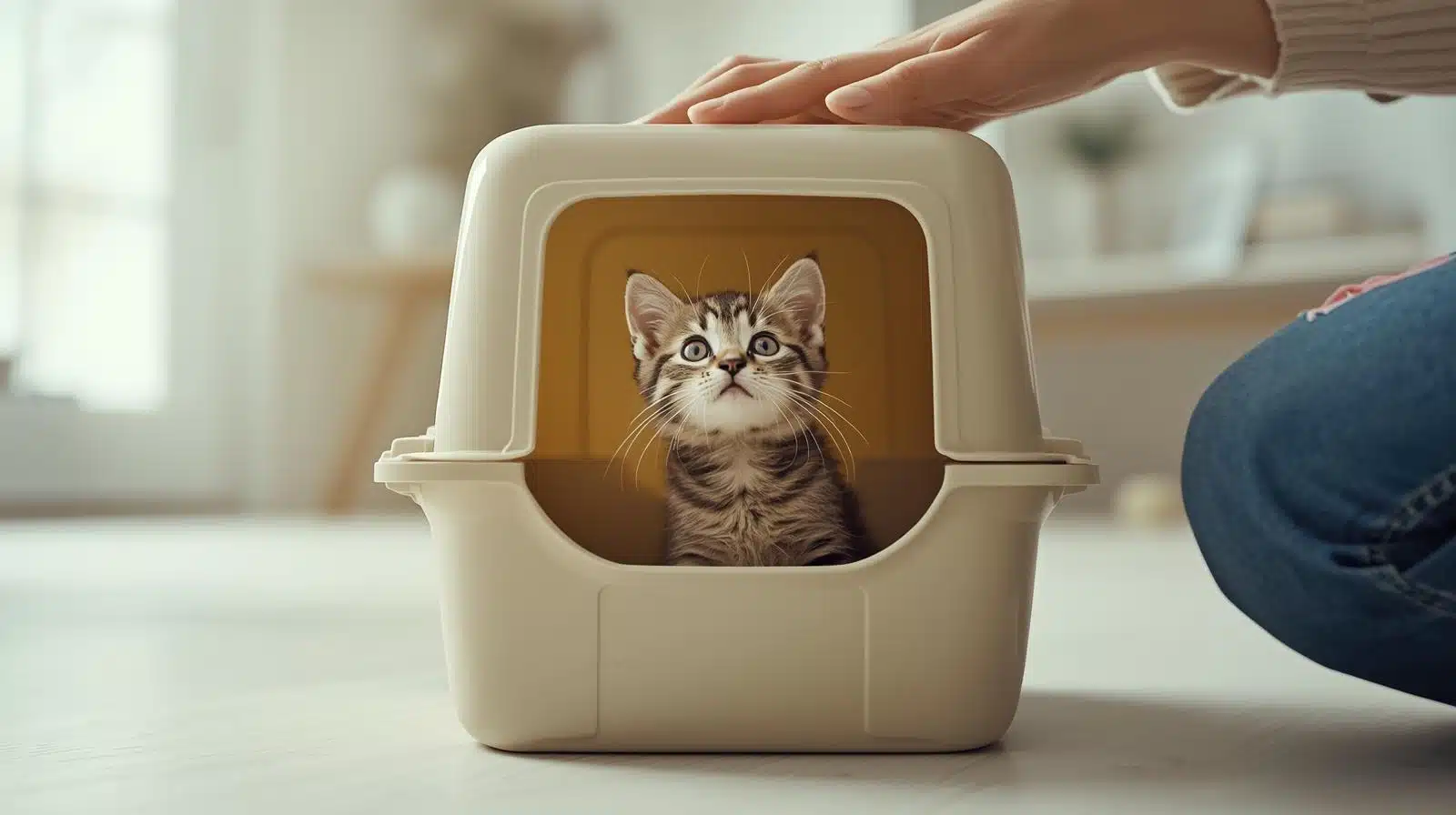
Bringing home a tiny, playful kitten is one of life’s purest joys. You’re ready for the cuddles, the games, and the endless photo opportunities. But then comes the first big question that every new cat parent faces: “How on earth do I teach this tiny creature to use a litter box?”
I remember feeling this exact mix of excitement and anxiety when I first brought my kitten, Leo, home. He was a perfect little fluffball, but I had no idea where to start with potty training. Would it be difficult? Would there be accidents?
The good news is, cats are naturally clean animals, and training them is much easier than you might think. With a little bit of patience, the right setup, and a few expert tips, you can guide your kitten to quick and lasting success. This isn’t about forcing them; it’s about understanding their instincts and making the right choice the easiest choice.
In this guide, I’ll share the simple, step-by-step process that worked for **Leo** and has helped countless other kittens become perfectly potty-trained. Lets go How to Potty Train a Kitten.
Choosing The Right Litter Box
Choosing the right litter box is key to potty training a kitten. A good litter box helps your kitten learn faster. It also keeps your home clean and odor-free. Pick a litter box that fits your kitten’s size and habits. Comfort and ease of use matter most.
When Leo was a tiny kitten, I made the mistake of buying a large, high-sided litter box, thinking he would ‘grow into it.’ But he was intimidated by its size and had trouble climbing in. After a couple of accidents right next to the box, I realized my error. I switched to a small, shallow tray, and he started using it almost immediately. It was a clear lesson: for a kitten, accessibility is more important than size.
Size And Accessibility
Choose a litter box small enough for your kitten to enter easily. It should have low sides for easy access. Your kitten must climb in and out without trouble. A box too big or tall may scare your kitten. Start with a small box. Upgrade as your kitten grows.
Material And Design
Pick a litter box made of durable, easy-to-clean material. Plastic is common and practical. Avoid boxes with rough edges or sharp corners. A covered box can help with odor but may trap smells. Some kittens prefer open boxes. Watch your kitten’s behavior to decide.
Location Matters
Place the litter box in a quiet, low-traffic spot. Your kitten needs privacy to feel safe. Avoid noisy or busy areas like near washing machines. Keep the box away from your kitten’s food and water. A calm spot helps your kitten use the box regularly.
Picking The Best Litter
Picking the best litter is key to potty training a kitten. The right litter helps your kitten feel safe and comfortable. It also keeps your home clean and fresh. Choosing the right type can make the training easier for both you and your kitten.
Types Of Cat Litter
There are many types of cat litter. Clay-based litter is common and absorbs well. Natural options like corn, wheat, or wood are eco-friendly. Silica gel litter controls odor and stays dry longer. Each type has pros and cons for your kitten’s needs.
Scented Vs Unscented
Scented litter has added fragrances to mask odors. Some kittens may not like strong smells. Unscented litter is simple and more natural. It lets you notice if your kitten has any health issues from litter box use.
Clumping Vs Non-clumping
Clumping litter forms solid clumps when wet. This makes cleaning easier and faster. Non-clumping litter absorbs moisture but stays loose. It may need more frequent changing. Clumping litter is often better for kitten training.
Preparing Your Kitten
Preparing your kitten for potty training is the first step to success. It helps your kitten feel safe and comfortable. This stage sets the tone for smooth training sessions. Start early to build good habits quickly.
Introducing The Litter Box
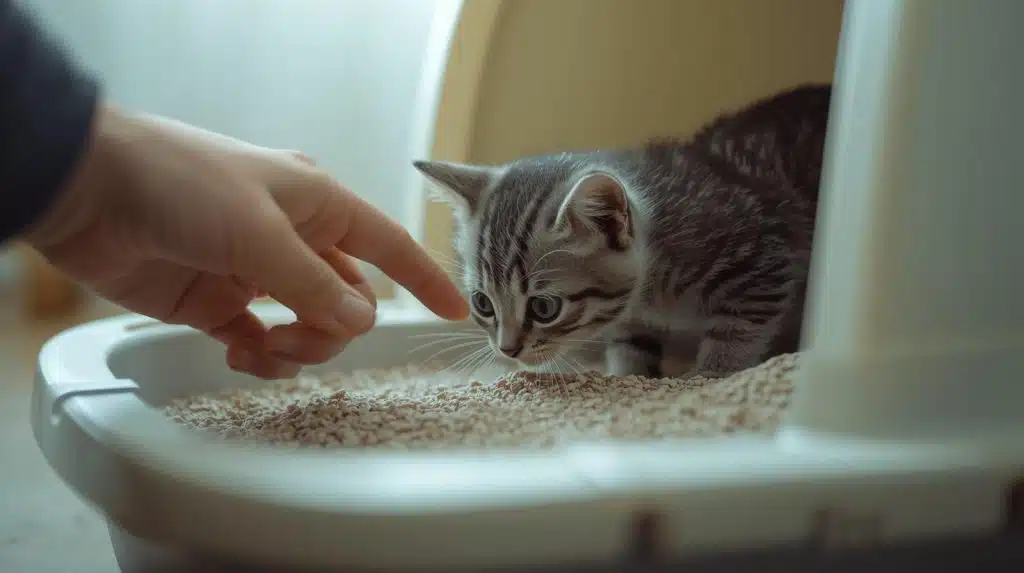
Place the litter box in a quiet, easy-to-find spot. Avoid busy or noisy areas. Show your kitten the box and gently place them inside. Let your kitten explore the box without pressure. Keep the box clean to encourage use.
Setting A Routine
Choose set times to bring your kitten to the litter box. Try after meals, naps, and playtime. Consistency helps your kitten learn faster. Watch for signs your kitten needs to go. Act quickly to guide them to the box.
Positive Reinforcement
Praise your kitten with soft words and gentle petting. Reward with small treats after successful use. Avoid punishment or harsh words. Positive feelings make your kitten want to repeat good behavior. Patience and kindness speed up training.
Never scold your kitten for an accident. Instead, celebrate their successes! Every time I saw Leo successfully use his litter box, I would give him a gentle head scratch and a soft, encouraging “Good boy!” This positive association is incredibly powerful. Soon, he learned that the litter box was a place of praise, not punishment.
Training Techniques
Training techniques are key to potty training a kitten successfully. These methods help your kitten learn where to go. Patience and consistency work best throughout this process. Kittens need time to understand new habits. Use clear signals and gentle guidance to teach them.
Encouraging Usage
Place the litter box in a quiet spot. Show your kitten the box after meals and naps. Gently place them inside to explore. Praise your kitten softly when they use the box. Keep the litter clean to invite use. Try different litter types to find their favorite.
Handling Accidents
Accidents happen; stay calm and avoid punishment. Clean the area thoroughly with an enzyme cleaner. Remove all smells to prevent repeat accidents. Watch your kitten closely to catch signs early. Redirect them to the litter box gently. Consistent correction helps build good habits.
Gradual Independence
Let your kitten visit the litter box alone. Remove your hands from helping slowly. Allow them to find the box by scent and sight. Give space but stay nearby at first. Praise independence with soft words and petting. This builds confidence and trust in your kitten.
Common Challenges
Potty training a kitten is not always smooth. Many owners face common challenges that can slow progress. Understanding these problems helps keep patience and improve training success.
Avoiding Litter Box Aversion
Kittens may avoid the litter box for many reasons. The box might be dirty or too small. The type of litter could feel uncomfortable. Loud noises or stress can also scare kittens away. Clean the box daily and place it in a quiet spot. Use soft, unscented litter to attract the kitten. Give praise when your kitten uses the box.
Dealing With Medical Issues
Sometimes, potty problems come from health issues. Urinary tract infections or digestive problems cause accidents. Watch for signs like frequent urination or straining. Visit a vet if your kitten suddenly stops using the box. Early treatment helps avoid long-term problems. Keep training gentle during sickness.
Managing Multiple Cats
Training several cats adds more difficulty. Some cats guard their litter boxes. Others may feel stressed by sharing. Provide one box per cat plus one extra. Place boxes in different quiet areas. Clean all boxes regularly to prevent fights. Observe each cat’s behavior to adjust training.
Maintaining Good Habits
Maintaining good habits is key to successful kitten potty training. Consistent care helps your kitten learn and stay clean. Small daily actions build a strong routine for your pet.
Cleaning The Litter Box
Keep the litter box clean every day. Scoop out waste at least once daily. Dirty litter boxes discourage kittens from using them. Wash the box with mild soap weekly. Cleanliness prevents odors and keeps kittens healthy.
Monitoring Behavior
Watch your kitten’s habits closely. Notice signs like sniffing or scratching near the box. These often mean your kitten needs to go. Praise your kitten when it uses the box. Catching bad habits early stops problems later.
Adjusting As Your Kitten Grows
Your kitten changes fast. Adjust the litter box size as your kitten grows. Move the box to quieter spots if needed. Older kittens may need less help. Adapt your routine to your kitten’s needs for best results.
Frequently Asked Questions
How Long Does It Take To Potty Train A Kitten?
Potty training a kitten usually takes 1 to 2 weeks. Consistency and patience are key. Every kitten learns at their own pace.
What Litter Type Is Best For Kittens?
Unscented, clumping clay or natural litter works best. Avoid strong fragrances, as kittens are sensitive to smells. Choose gentle litter to encourage use.
How Do I Introduce The Litter Box To My Kitten?
Place the litter box in a quiet, accessible area. Gently place your kitten inside after meals and naps. Praise them when they use it.
What If My Kitten Isn’t Using The Litter Box?
Clean the box daily and ensure it’s easily accessible. Check for health issues if problems persist. Avoid punishment, use positive reinforcement instead.
Our Recommended “Potty Training Success Kit”
Having the right tools from the very beginning can make the potty training process incredibly smooth. Based on our experience, here are the essential items we recommend to set your kitten up for success.
- A Kitten-Friendly Litter Box: For a small kitten, a large, high-sided box can be intimidating. Start with a simple, shallow tray that’s easy for them to climb into, like this basic kitten litter pan.
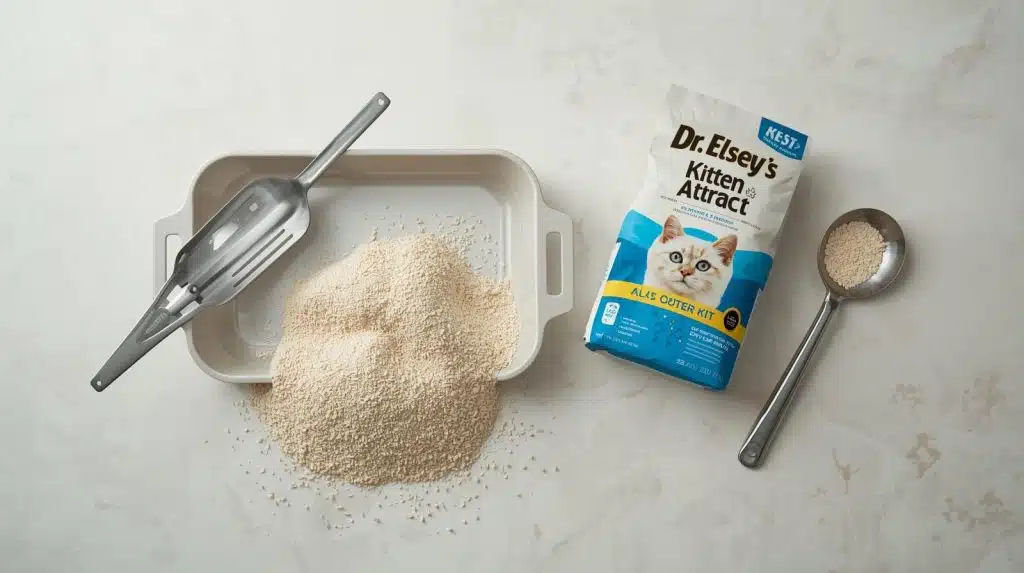
- Unscented, Clumping Litter: Kittens can be sensitive to strong smells. An unscented, clumping litter like Dr. Elsey’s Kitten Attract is a fantastic choice. It has a natural herbal attractant that piques a kitten’s curiosity to use the box.
- A Good Litter Scoop: You’ll be cleaning the box multiple times a day, so a sturdy and efficient metal litter scoop is a long-lasting investment that makes the job much easier.
- Enzyme Cleaner for Accidents: Accidents will happen, and it’s crucial to clean them properly to prevent your kitten from returning to the same spot. An enzyme cleaner like Rocco & Roxie Stain & Odor Eliminator doesn’t just mask the smell; it destroys the urine crystals. This is a must-have for any pet owner.
By purchasing through these links, you help support Happy Cat Haven at no extra cost to you. Thank you!
Conclusion
Potty training a kitten is more than just a chore; it’s one of the first and most important ways you build trust and communication with your new family member. There will be small victories and maybe a few little accidents along the way, but every step is part of your journey together.
Watching Leo confidently use his litter box for the first time without any guidance was a surprisingly proud moment for me as a cat parent. It was a sign that our communication was working and he was truly starting to feel at home.
With the patience and consistency you’ll learn in this guide, you will soon experience that same feeling of success. You’re not just training a kitten; you’re building a foundation for a happy and harmonious life together.
You might also like…
- Clavamox for Cats: Effective Treatment Tips & Dosage Guide 2025
- Free Cat Nutrition Calculator: Vet-Approved Personal Meal Plan (2025)
- 150+ Best Names for Orange Cats (Male, Female & Cute Ideas)
- Benadryl for Cats: Is It Safe? Vet Guide to Dosage & Risks (2025)
- Benefits of coconut oil for cats : 7 Benefits, Uses, and Safety Tips (2025)