There’s nothing more stressful than seeing your beloved cat constantly scratching, itching, and clearly in discomfort. Your mind immediately jumps to one dreaded possibility: fleas. You want a solution, but the thought of using harsh chemicals can be just as worrying. This leads many caring owners to search for a natural flea treatment for cats.
I’ve been there. When my cat, **Leo**, had his first run-in with fleas, I felt the same anxiety. I wanted a solution that was both effective and gentle. The good news is, there are fantastic natural options that work wonders without exposing your cat or your home to harsh chemicals.
In this guide, we’ll explore some of the best, safest, and easiest natural solutions. We’ll help you find an effective **natural flea treatment for cats** so you can say goodbye to fleas—and hello to a happy, peaceful, and itch-free pet.
Causes Of Flea Infestations
Flea infestations start in many ways. Fleas are tiny pests that can quickly multiply. They jump on cats to feed on their blood. These pests spread fast in warm and humid places. Understanding the causes helps keep your cat safe.
How Fleas Affect Cats
Fleas bite cats to drink their blood. This causes itching and discomfort. Cats may scratch or bite their skin a lot. Flea bites can lead to skin infections. Some cats also get allergic reactions to flea saliva. This makes their skin red and swollen.
Common Flea Habitats
Fleas live in places where cats spend time. They hide in carpets and pet bedding. Fleas also stay in cracks on floors. Outdoor areas like grass and bushes can hold fleas. Fleas multiply fast in warm, moist conditions. These places become breeding grounds for fleas.
Signs Of Flea Presence
Look for small black dots on your cat’s fur. These dots are flea dirt, flea waste. Cats may groom more than usual. You might see red, irritated skin spots. Fleas move quickly, so spotting them is hard. Checking your cat often helps catch fleas early.
I learned this the hard way with my own cat, Leo. I first noticed him scratching more than usual, but I thought it was just dry skin. It wasn’t until I saw the tiny, black specks—the dreaded ‘flea dirt’—on his favorite sleeping blanket that I realized we had a full-blown infestation on our hands. It was a stressful experience, but it taught me how to be vigilant.
Risks Of Chemical Flea Treatments
Chemical flea treatments are common for cats but carry risks. These products often contain strong ingredients that can harm your pet’s health. Understanding these risks helps you make safer choices for flea control.
Many cat owners do not realize the possible dangers of chemical flea treatments. These risks affect both pets and the environment. Choosing the right method is important for your cat’s well-being.
Potential Side Effects
Chemical flea treatments can cause skin irritation and redness. Some cats may suffer from itching or hair loss. More serious effects include vomiting, diarrhea, and lethargy. In rare cases, seizures and breathing problems occur. Always watch your cat closely after treatment.
Environmental Concerns
Flea chemicals can pollute water and soil. These toxins affect wildlife and beneficial insects. Pets may carry chemicals into your home, exposing family members. The buildup of chemicals harms nature’s balance. Using harsh treatments increases environmental risks.
Why Choose Natural Alternatives
Natural flea treatments are safer for cats and people. They use plant-based ingredients that repel fleas gently. These options reduce side effects and protect the environment. Natural methods support a healthy home and planet. They offer peace of mind without harsh chemicals.
Natural Flea Remedies
Natural flea remedies offer a gentle way to protect cats without harsh chemicals. They focus on using safe, plant-based ingredients to keep fleas away. These methods support your cat’s health and comfort while controlling pests.

Choosing natural options can reduce the risk of skin irritation and harmful side effects. They work by repelling or killing fleas in ways that are less toxic for your pet and home.
Essential Oils Safe For Cats
Some essential oils can help repel fleas, but only a few are safe for cats. Lavender, cedarwood, and chamomile oils are gentle options. Always dilute oils with water or carrier oil before use. Avoid strong oils like tea tree or eucalyptus, as they can harm cats.
Apply diluted oils lightly on your cat’s fur or bedding. Watch your cat for any signs of discomfort or allergies.
Herbal Flea Repellents
Herbs like rosemary, mint, and thyme can keep fleas away naturally. You can make a spray by boiling these herbs in water and cooling the mixture. Spray lightly on your cat’s fur and around the house.
These herbs smell pleasant to humans but flea pests dislike them. They also help soothe your cat’s skin and reduce itching.
Diatomaceous Earth Use
Diatomaceous earth is a natural powder made from fossilized algae. It kills fleas by drying out their bodies. Sprinkle food-grade diatomaceous earth on your cat’s bedding and carpets.
Leave it for a few hours, then vacuum thoroughly. Avoid inhaling the powder and keep it away from your cat’s eyes and nose. This method helps reduce flea numbers safely and naturally.
Home Care Tips
Once I discovered Leo had fleas, my first instinct was to treat him. But I quickly learned that treating your cat is only half the battle. Fleas can lay eggs in your carpets, furniture, and bedding. I remember spending an entire weekend vacuuming every corner of our apartment, washing all of his blankets in hot water, and feeling like a detective hunting down an invisible enemy. It was a lot of work, but ensuring a clean environment is absolutely key to breaking the flea life cycle for good.
Taking care of your cat at home helps keep fleas away naturally. Simple steps can reduce flea problems without harsh chemicals. Consistency and patience make these home treatments work well.
Regular Grooming Techniques
Brush your cat’s fur every day. This removes dirt and loose hair. It also helps spot fleas early. Use a soft brush to avoid hurting your cat. Bathing your cat with mild soap can help. Avoid over-bathing, as it may dry the skin.
Cleaning Your Cat’s Environment
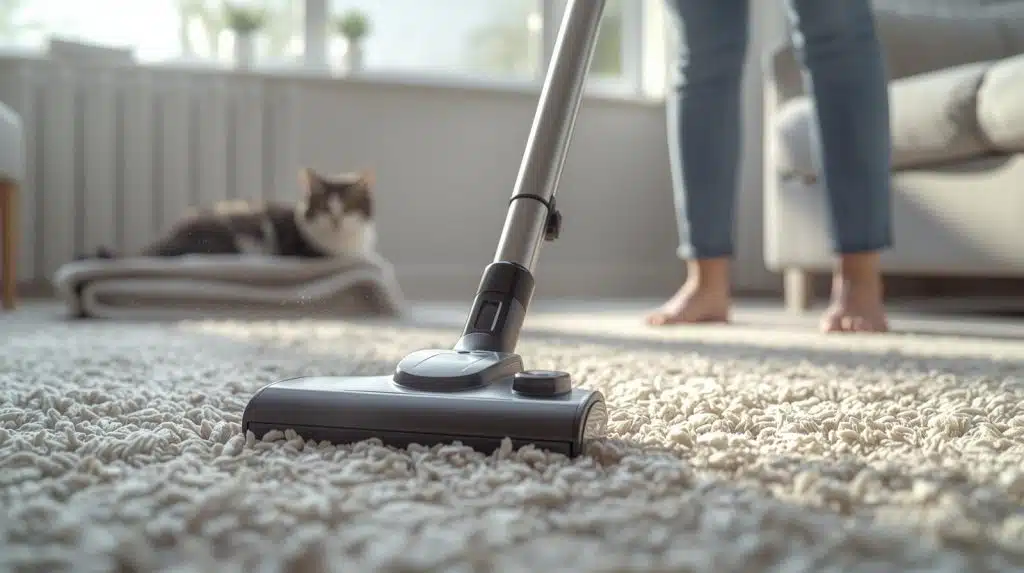
Vacuum floors and furniture often to remove flea eggs. Wash your cat’s bedding in hot water weekly. Keep your home tidy to reduce flea hiding spots. Clean corners, carpets, and under furniture well. This stops fleas from multiplying in your home.
Using Flea Combs Effectively
Choose a fine-toothed flea comb. Comb your cat’s fur slowly and carefully. Focus on the neck and tail areas. Dip the comb in soapy water after each pass. This kills the fleas caught in the comb. Repeat daily until you see fewer fleas.
Diet And Flea Resistance
Diet plays a key role in a cat’s ability to resist fleas. A well-balanced diet keeps the skin healthy and strong. Healthy skin creates a natural barrier against fleas. Feeding your cat the right nutrients supports this defense. Nutrition also affects the immune system, which helps fight off pests.
Nutritional Support For Healthy Skin
Oils rich in omega-3 and omega-6 fatty acids improve skin health. These fats reduce inflammation and dryness. They make the skin less attractive to fleas. Proteins help repair skin cells and keep fur shiny. Vitamins like A and E protect the skin from damage. A diet with fresh meat and vegetables is ideal for cats.
Supplements That Help Repel Fleas
Certain supplements can boost flea resistance naturally. Brewer’s yeast is popular for flea control. It changes the cat’s scent, making fleas less likely to bite. Garlic in small amounts may also repel fleas. Some pet owners use vitamin B complex for similar effects. Always consult a vet before starting supplements. Proper dosage ensures safety and benefits.
When To Consult A Vet
Knowing when to seek help from a vet is important for your cat’s health. Natural flea treatments work well for mild cases. But some situations need expert care to keep your cat safe and comfortable.
Recognizing Severe Infestations
Severe flea infestations cause constant scratching and skin wounds. Your cat may lose fur and have red, irritated skin. Fleas can spread infections and cause anemia from blood loss. If your cat seems weak or stops eating, a vet visit is urgent. These signs show the problem needs more than home treatment.
Vet-Recommended Safe & Natural Products
Our Top Picks: Vet-Approved Natural Flea Products
While DIY remedies can be helpful, sometimes you need a reliable, ready-to-use product that is both natural and proven to be effective. After extensive research and consulting with veterinary professionals, here are our top recommendations for safe and natural flea treatments available online.
1. Best Natural Flea & Tick Spray: Wondercide Flea & Tick Spray for Pets + Home
This is my personal go-to for treating the home environment. Wondercide uses natural, plant-based essential oils like cedarwood and lemongrass that are safe for use around cats but deadly to fleas. I use it to spray down carpets, furniture, and Leo’s cat tree during flea season.
Key Features: Plant-based, Safe for cats and kids, Also kills ticks and mosquitoes.
Check Price on Amazon2. Best Food-Grade Diatomaceous Earth: Harris Diatomaceous Earth (Food Grade)
For a powerful yet non-toxic powder, food-grade Diatomaceous Earth is an excellent choice. It works by physically dehydrating fleas without any chemicals. You can sprinkle a light layer on carpets and pet bedding (let it sit, then vacuum thoroughly).
Key Features: 100% natural, Chemical-free, Very effective for home treatment.
Check Price on Amazon3. Best Flea Comb: Safari Flea Comb with a Double Row of Teeth
A high-quality flea comb is your best friend during an infestation. The double-row design of the Safari comb is incredibly effective at trapping both fleas and their eggs. A daily combing session with Leo was one of the most effective ways I found to monitor and reduce the flea population on him directly.
Key Features: Double-row teeth, Ergonomic handle, Instantly removes fleas and flea dirt.
Check Price on AmazonFrequently Asked Questions
What Are The Safest Natural Flea Treatments For Cats?
Natural flea treatments like neem oil, diatomaceous earth, and apple cider vinegar are safe for cats. They repel fleas without harmful chemicals. Always dilute substances properly and consult your vet before use.
How Does Apple Cider Vinegar Help In Flea Control?
Apple cider vinegar creates an acidic environment on your cat’s skin, repelling fleas naturally. It’s non-toxic and can be used as a spray or diluted rinse to reduce flea infestations safely.
Can Essential Oils Be Used For Flea Treatment On Cats?
Some essential oils like lavender and cedarwood may repel fleas. However, many oils are toxic to cats. Always consult your vet before using essential oils and never apply undiluted oils directly.
How Often Should Natural Flea Treatments Be Applied?
Natural flea treatments should be applied weekly for best results. Regular use breaks the flea life cycle and prevents reinfestation. Monitor your cat’s skin for any irritation during treatment.
Conclusion
Natural flea treatments can keep your cat safe and healthy. These remedies use simple ingredients found at home. They avoid harsh chemicals that may harm your pet. Regular use helps prevent flea infestations effectively. Always watch your cat’s behavior and skin condition.
Consult a vet if fleas persist or worsen. A clean home supports flea control too. Try natural treatments with patience and care. Your cat will thank you with comfort and happiness. Safe, gentle care is the best way forward.
You might also like…
- Clavamox for Cats: Effective Treatment Tips & Dosage Guide 2025
- 150+ Best Names for Orange Cats (Male, Female & Cute Ideas)
- Benadryl for Cats: Is It Safe? Vet Guide to Dosage & Risks (2025)
- Benefits of coconut oil for cats : 7 Benefits, Uses, and Safety Tips (2025)
Free Cat Nutrition Calculator: Vet-Approved Personal Meal Plan (2025)