
“Cats are masters at hiding when they aren’t feeling well, which means their health can be surprisingly fragile if their diet is missing key nutrients. I learned this the hard way with my tabby, Leo. A while back, I noticed his normally glossy coat was looking a bit dull and flaky, and he wasn’t jumping up on his favorite window sill as much. At first, I just thought he was getting a little older or maybe feeling stressed. But after a quick trip to the vet, I found out the real issue: his food was lacking essential nutrients.
It was a huge wake-up call for me. Many cat owners do not realize that even a small vitamin deficiency can cause serious health problems over time, and the signs are so subtle they are often mistaken for normal aging or other minor illnesses. Vitamins play a massive role in your cat’s body, helping with everything from vision and immune response to skin health and nerve function. Since cats cannot make some of these vitamins on their own, they absolutely must get them from their food—whether it’s dry, wet, or a homemade diet.
In this guide, we’re going to explore the most common cat vitamin deficiency signs, why they happen, and what you can do to fix them early. If you want your furry friend to live a long, happy, and healthy life, this is information you simply cannot ignore.”
Why Vitamins Matter For Cats
Vitamins are organic compounds that the body needs in small amounts for normal health. In cats, they support many critical functions:
- Vitamin A is essential for vision, skin, and immune health.
- Vitamin D helps regulate calcium and phosphorus for strong bones.
- Vitamin E acts as an antioxidant, protecting cells from damage.
- Vitamin K is important for blood clotting.
- B vitamins (like B1, B2, B6, B12) help with metabolism, nervous system health, and red blood cell formation.
- Vitamin C is less essential because cats can make it themselves, but it still plays a role in immune support.
- Taurine, while technically an amino acid, is often grouped with vitamins for cats, as it is vital and must come from their diet.
A lack of any of these can cause problems, sometimes quickly and sometimes over months or years. Let’s look at what those problems look like in real cats.
Most Common Cat Vitamin Deficiency Signs
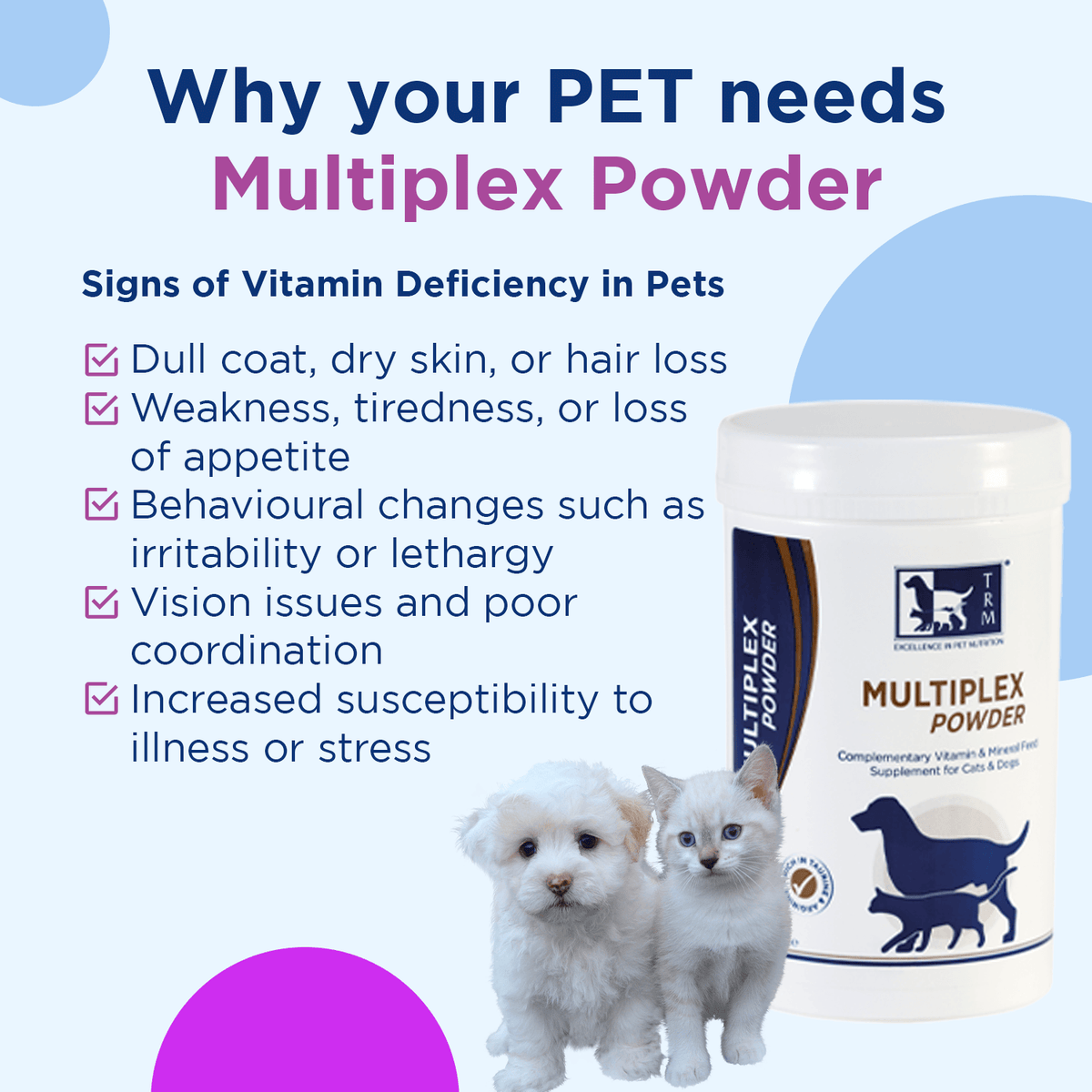
Cat vitamin deficiencies can show up in many ways. Some are easy to spot, while others are subtle and develop slowly. Here are the most important signs to watch for:
1. Dull Or Poor Coat Condition
A healthy cat’s coat is soft, shiny, and smooth. When a cat lacks vitamin A, E, or B vitamins, their fur may become:
- Dry and brittle
- Dull and lacking shine
- Prone to dandruff or flaking
- Thinning or patchy
This happens because vitamins help keep skin and hair follicles healthy. Cats on low-quality food often show this sign first. Kittens and older cats are at higher risk, especially if they eat the same food for a long time.
2. Weight Loss Or Poor Growth
If your cat is not growing as expected or starts losing weight for no clear reason, a vitamin deficiency could be the cause. Vitamin B1 (thiamine) and B12 are especially important for energy and metabolism. Without them, your cat may:
- Lose muscle
- Become thinner even if they eat the same amount
- Have trouble gaining weight as a kitten
This sign is often missed in older cats, where it can be mistaken for normal aging.
3. Weakness And Lethargy
Cats that lack vitamins often have less energy. B vitamins, especially B6 and B12, help with energy production. Signs include:
- Sleeping much more than usual
- Not playing or exploring
- Hesitating to jump or climb
- Appearing tired after mild activity
This can happen quickly if a cat’s food is missing key nutrients.
4. Poor Appetite Or Eating Problems
Some deficiencies, like lack of B1 or niacin, can make cats lose interest in food. You might notice:
- Refusing food or eating less
- Sudden fussiness with food
- Drooling or making strange movements with the mouth
These can lead to rapid weight loss and must be taken seriously.
5. Vision Problems
Vitamin A is crucial for eye health. Deficiency can cause:
- Night blindness (trouble seeing in low light)
- Cloudy eyes
- Discharge from eyes
- Bumping into objects
Cats that eat only lean meats without organ meats (like liver) are at risk, because vitamin A is found mainly in animal tissues.
6. Skin Problems
Without enough vitamin E, A, or B vitamins, your cat’s skin may develop:
- Sores or scabs
- Redness or swelling
- Itching or scratching
- Slow healing of wounds
Chronic skin problems that do not respond to treatment may point to a vitamin issue.
7. Seizures Or Neurological Signs
Some vitamin deficiencies can affect your cat’s brain and nerves. Thiamine (B1) deficiency is a classic example. Symptoms include:
- Head tilting
- Unsteady walking or falling
- Tremors or twitching
- Seizures
These are medical emergencies and need fast veterinary care.
8. Bleeding Or Bruising Easily
If your cat bruises easily or has nosebleeds, it could lack vitamin K. This vitamin helps blood to clot. Causes include poor diet, liver disease, or certain poisons (like rat poison).
9. Mouth And Gum Problems
Deficiencies in B vitamins (especially B2, B3, B12) can lead to:
- Red, swollen gums
- Ulcers in the mouth
- Drooling or bad breath
- Reluctance to eat
Some cats develop a “burned” look on their tongue or lips.
10. Bone Or Joint Problems
A lack of vitamin D can cause weak bones, fractures, or trouble walking. Signs to watch for:
- Limping or reluctance to jump
- Swollen joints
- Pain when touched
- Deformed limbs in kittens
Cats that eat only homemade food without supplements are at risk, since vitamin D is not present in many natural foods.
11. Poor Immune Response
Cats low in vitamin E, A, or B vitamins get sick more often. Signs include:
- Frequent colds or respiratory infections
- Slow recovery from illness
- Recurring skin or ear infections
If your cat seems to catch every bug, consider their vitamin intake.
12. Heart Problems
Taurine deficiency can cause a dangerous heart problem called dilated cardiomyopathy. Signs include:
- Rapid breathing or panting
- Swollen belly (fluid buildup)
- Weakness or collapse
Taurine is found in meat, but not in plants. Cats fed dog food or vegetarian diets are at high risk.
13. Digestive Issues
Some vitamin deficiencies, such as B12 and folate, can upset the digestive system. Look for:
- Vomiting or diarrhea
- Poor stool quality (pale, greasy, or very smelly)
- Weight loss despite good appetite
Chronic digestive problems often have a nutritional cause.
14. Behavioral Changes
Deficiencies can affect your cat’s mood and behavior. Possible changes:
- Hiding more than usual
- Aggression or irritability
- Confusion or disorientation
- Excessive vocalization
These may be subtle but are important early clues.
15. Delayed Healing
If wounds or scratches take a long time to heal, your cat may lack vitamin C, A, or E. While cats make their own vitamin C, stress or illness can increase their needs.
How Deficiencies Develop In Cats
Some owners wonder why their cat would lack vitamins if they eat every day. Here’s how deficiencies often happen:
- Low-quality commercial food: Not all brands meet full nutritional standards. Cheap foods may skip on certain vitamins to save costs.
- Homemade diets: Without expert planning, these often miss key nutrients. For example, cooked chicken breast alone is not enough.
- Selective eating: Some cats eat only one type of food or refuse certain meats. This limits vitamin intake.
- Illness or old age: Digestive problems, kidney disease, or aging can lower the body’s ability to absorb vitamins.
- Feeding dog food: Dog food does not meet cat vitamin needs, especially for taurine, vitamin A, and others.
Many deficiencies build up slowly. By the time signs appear, the problem is often serious.
Which Vitamins Are Most Commonly Lacking In Cats?
Not all vitamins are at equal risk. Some are more likely to be missing, especially with non-commercial diets.
| Vitamin | Main Functions | Common Deficiency Signs | Risk Factors |
|---|---|---|---|
| Vitamin A | Vision, skin, immunity | Poor coat, night blindness, skin problems | Lack of liver/organs in diet |
| Vitamin D | Bones, calcium balance | Weak bones, fractures, joint pain | Homemade diets, indoor cats |
| Vitamin E | Antioxidant, cell health | Skin issues, muscle weakness | Poor quality fat sources |
| Vitamin K | Blood clotting | Bleeding, bruising | Liver disease, certain toxins |
| B Vitamins | Energy, nerves, red blood cells | Weakness, poor appetite, neurological signs | Raw fish, cooking losses |
| Taurine | Heart, eyes, reproduction | Heart disease, vision loss | Dog food, vegan/vegetarian diets |
Credit: trmpet.com
Diagnosing Vitamin Deficiency In Cats
If you suspect a deficiency, do not try to diagnose it at home. Many signs overlap with other diseases. Your vet will check:
- Detailed diet history
- Physical exam
- Blood tests for vitamin levels
- Other lab work to rule out illness
Some deficiencies, like thiamine or B12, can be measured directly. For others, diagnosis is based on signs and response to treatment.
Preventing Vitamin Deficiency In Cats
The best way to avoid deficiencies is to feed a complete and balanced diet. Here’s what you can do:
- Choose high-quality commercial food: Look for brands that meet AAFCO or FEDIAF standards. These are tested to provide all essential nutrients.
- If feeding homemade, use a recipe from a veterinary nutritionist: Never guess or copy recipes online without expert input.
- Avoid dog food and vegan/vegetarian diets: These do not meet cat needs and can cause severe problems.
- Do not overcook food: Cooking can destroy vitamins like thiamine. If you cook, add a supplement recommended by your vet.
- Watch for selective eating: If your cat avoids some foods, check with your vet about possible gaps.
It is better to prevent deficiency than treat it later. Some damage (like blindness from vitamin A lack) is permanent.
Non-obvious Insights Most Cat Owners Miss
Many cat owners believe that all commercial cat foods are equal, but there are big differences in bioavailability (how well the body absorbs nutrients). Cheaper foods may have the right ingredients, but low-quality processing or storage can destroy vitamins. Always check the expiration date and store food away from heat and light.
Another hidden risk: certain medications and illnesses can block vitamin absorption. For example, long-term antibiotics can affect vitamin K levels, and some intestinal diseases stop the body from absorbing B12. If your cat is on chronic medication, ask your vet if you need extra supplements.
How Fast Do Signs Appear?
The speed depends on the vitamin and the cat’s age and health. Some, like thiamine (B1), can show signs in as little as two weeks if the diet is missing it. Others, like vitamin A or D, may take months before problems appear. Kittens and sick cats are affected faster than healthy adults.
Risks Of Supplementing Without A Vet
Some owners try to fix deficiencies by buying over-the-counter supplements. This is risky. Too much of some vitamins, especially A and D, can be toxic. Symptoms of overdose include vomiting, bone pain, and even death. Always get your vet’s advice before giving vitamins, especially if your cat is already on a balanced diet.
Real-life Example: Homemade Diet Disaster
A family fed their young cat only cooked chicken breast, believing it was “natural.” After six months, the cat developed seizures and weakness. Blood tests showed low thiamine (B1). With emergency treatment and a proper diet, the cat recovered. This story is common and shows that even well-intentioned owners can make dangerous mistakes.
Comparison: Commercial Vs. Homemade Cat Diets
Here’s how commercial and homemade diets stack up for vitamin content:
| Aspect | Commercial Cat Food | Homemade Cat Diet |
|---|---|---|
| Vitamin Balance | Usually complete if AAFCO/FEDIAF | Often incomplete unless formulated by a vet |
| Quality Control | Regulated and tested | Variable, depends on recipe |
| Risk of Deficiency | Low if reputable brand | High if not carefully managed |
| Convenience | Easy to serve | Time-consuming to prepare |
| Cost | Varies, but often affordable | Often higher due to ingredient/supplement costs |
When To See A Vet
If your cat shows any of the signs listed earlier, do not wait. See your vet if you notice:
- Sudden changes in appetite, weight, or energy
- Neurological signs (seizures, head tilt, unsteady walking)
- Bleeding, bruising, or mouth sores
- Ongoing skin or coat problems
The sooner you act, the better the chance for a full recovery.
Credit: petperennials.com
The Role Of Life Stage And Health Status
Cats have changing vitamin needs throughout life. Kittens, pregnant cats, and seniors have higher requirements for some vitamins. Sick cats, especially with digestive or kidney problems, may also need extra support. Always check with your vet before changing diets at these life stages.
How To Check Cat Food For Vitamin Content
Not all cat foods are created equal. Look for these on the label:
- “Complete and balanced” for your cat’s life stage
- AAFCO or FEDIAF approval
- Named animal protein as the first ingredient
- Expiration date and storage instructions
If you’re unsure, ask your vet or check resources like WSAVA Nutrition Guidelines.
Recovery: What Happens After Correcting A Deficiency?
Most cats recover well if the deficiency is caught early. Coat and energy improve within weeks, and weight stabilizes. Some conditions, like nerve damage or blindness, may not fully reverse. In severe cases, long-term medication or supplements are needed.
Recovery steps often include:
- Switching to a balanced, high-quality diet
- Short-term vitamin supplementation (under vet supervision)
- Regular blood tests to check vitamin levels
- Treating any underlying illness that caused the deficiency
Frequently Asked Questions
What Are The First Signs Of Vitamin Deficiency In Cats?
The earliest signs are usually a dull coat, less energy, and changes in appetite. Some cats may develop skin problems or start hiding more than usual. These signs are easy to miss, so watch closely if you change your cat’s diet.
Can Indoor Cats Get Vitamin Deficiencies?
Yes. Indoor cats are at risk, especially for vitamin D, since they don’t get sunlight like outdoor cats. They also rely 100% on their food for all nutrients, so a poor diet can quickly lead to problems.

Credit: ziggyfamily.com
Is It Safe To Give My Cat Human Vitamins?
No. Human vitamins are often the wrong dose or form for cats and can be dangerous. Some, like vitamin D or iron, can cause toxicity. Only use supplements made for cats and approved by your vet.
How Long Does It Take To Correct A Vitamin Deficiency In Cats?
Mild deficiencies often improve within a few weeks once the diet is fixed. Severe cases, especially with nerve or eye damage, may take months or may never fully recover. Regular checkups and blood tests help track progress.
What Is The Best Diet To Prevent Vitamin Deficiencies In Cats?
A high-quality commercial cat food labeled “complete and balanced” for your cat’s age and health is best for most cats. Homemade diets should only be used if formulated by a veterinary nutritionist. Always provide fresh water and avoid feeding dog food.
A cat’s health depends on what you put in their bowl. By learning the signs of vitamin deficiency and acting early, you can help your feline friend live a longer, healthier life. If you ever have doubts about your cat’s diet or health, your vet is your best resource.
Remember, prevention is always easier—and kinder—than cure.
You might also like…
- Cat Spraying Vs Peeing: Key Differences Every Owner Must Know
- Clavamox for Cats: Effective Treatment Tips & Dosage Guide 2026
- Free Cat Nutrition Calculator: Vet-Approved Personal Meal Plan (2026)
- 150+ Best Names for Orange Cats (Male, Female & Cute Ideas)
- Benadryl for Cats: Is It Safe? Vet Guide to Dosage & Risks (2026)